75 articles on Sensors.
Young entrepreneurs in Ecuador, Senegal, Nigeria, and Bangladesh are transforming land restoration into economic opportunities, supported by the Youth Ecopreneur Programme. Their projects integrate technology and sustainable practices to boost productivity and market viability.

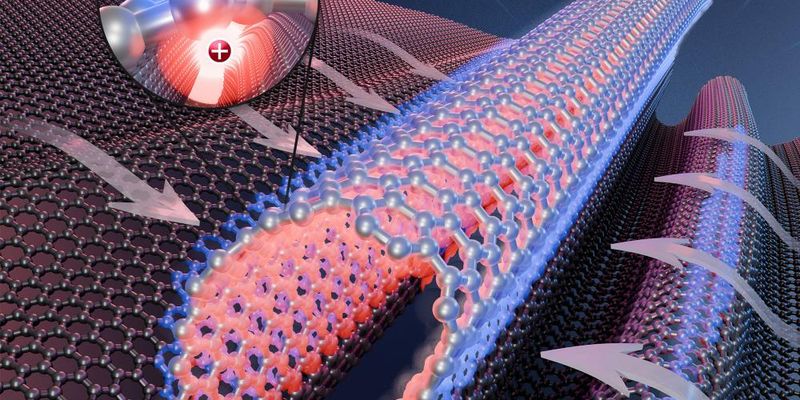
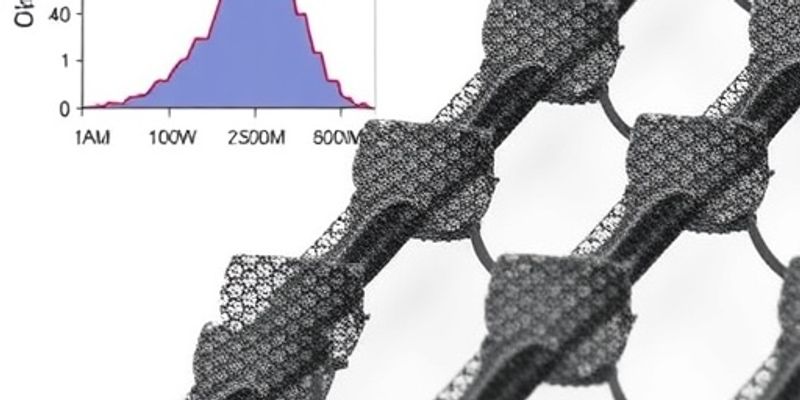
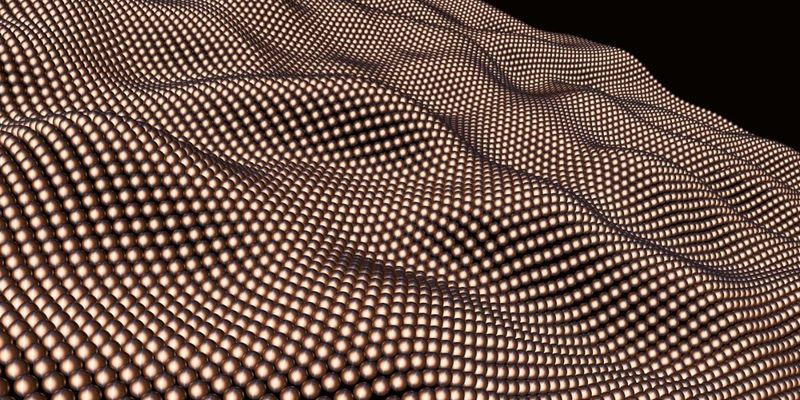
Researchers at Rice University demonstrated that graphene nanowrinkles can alter electrical properties, potentially enabling new applications in chemical and biological sensing.

A team from Duisburg-Essen and Uppsala universities has directly observed rainbow scattering in graphene using xenon ions, confirming a previously unmeasured phenomenon.
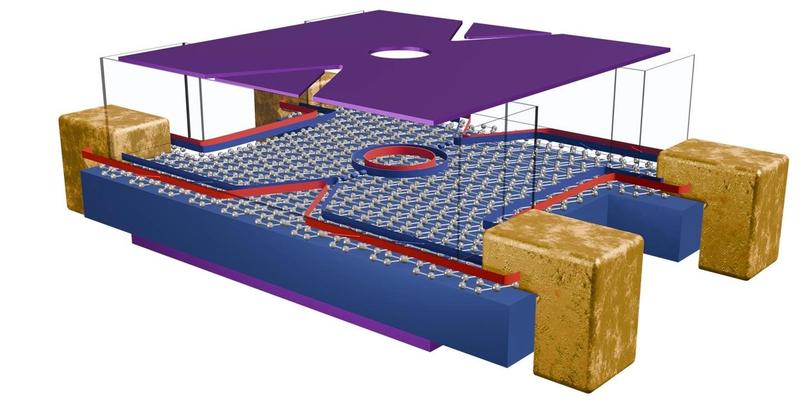
Researchers at EPFL developed a graphene device to measure fractional electric charges in quasiparticles during the quantum Hall effect, revealing charges of one-third and two-thirds of an electron.

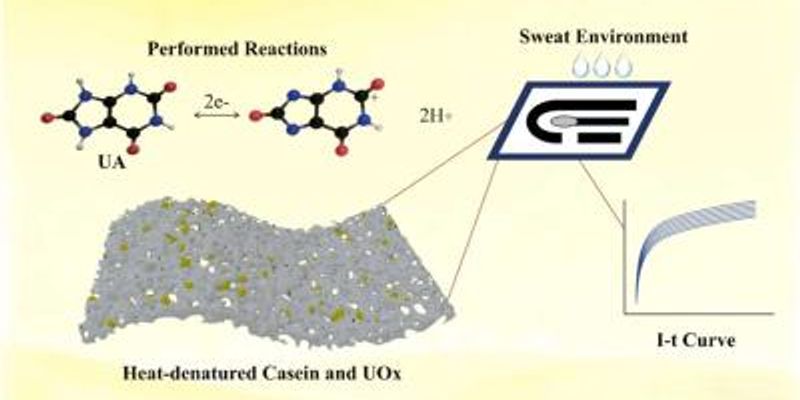
Researchers at Shanghai University and Shanghai General Hospital have built an electrochemical biosensor pairing a three-dimensional graphene framework with a heat-denatured casein interlayer to detect uric acid in sweat at femtomolar levels.

Paragraf has introduced a new graphene-based sensing platform and data acquisition system designed for enhanced sensor performance.
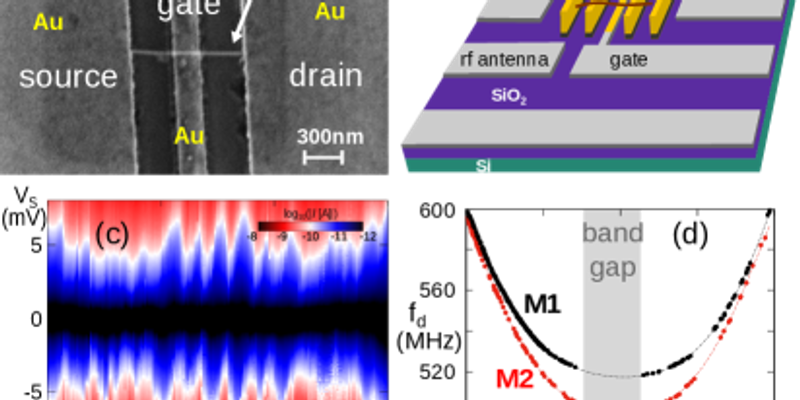
A team at the National University of Singapore has turned magic-angle twisted bilayer graphene from an insulator into a metal using only faint long-wavelength light, pointing to a new class of terahertz and far-infrared detectors.

Researchers have developed a new carbon nanotube strategy that could significantly extend the lifespan of wearable strain sensors, potentially lasting for years.

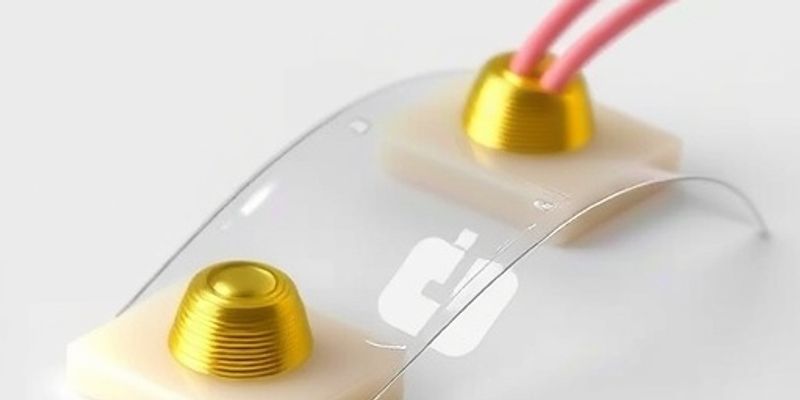
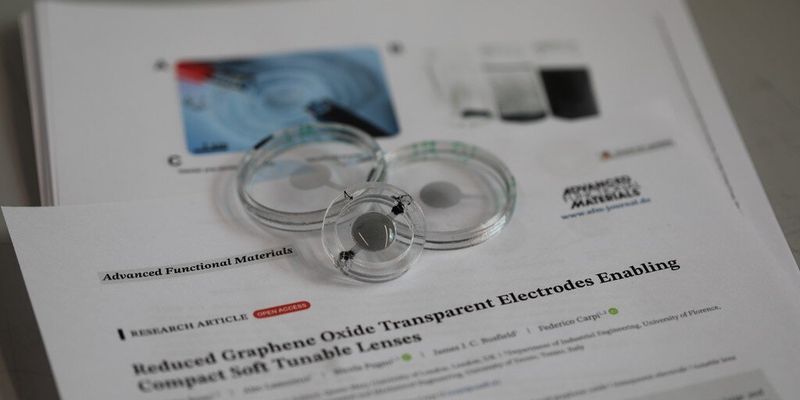
Researchers at Queen Mary University of London have developed a graphene-based soft lens that can electronically change focus without bulky parts, potentially advancing medical devices and cameras.

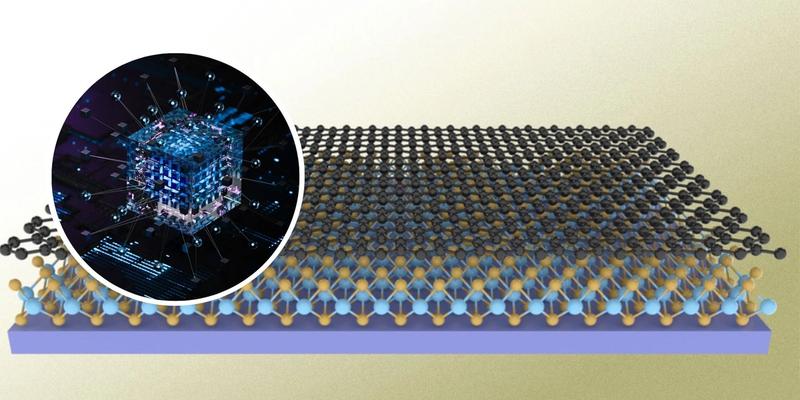
MIT researchers have developed a method to grow large, air-stable niobium diselenide films using graphene encapsulation. This advance could lead to more compact superconducting quantum devices.

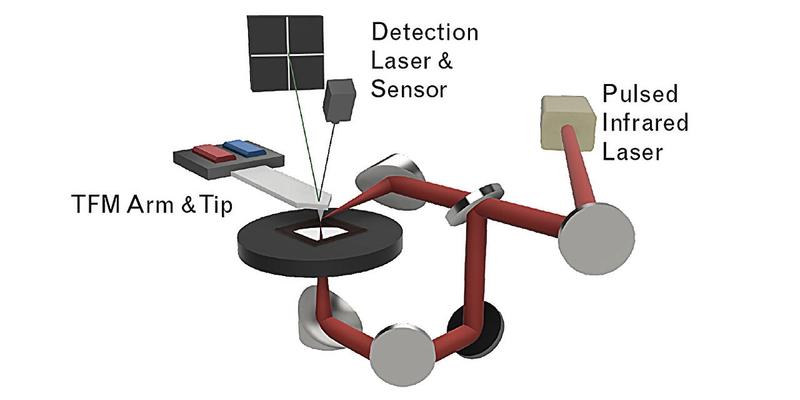
Researchers at the University of Maryland developed infrared torsional force microscopy, enabling near-nanometer precision imaging of material surfaces responding to infrared light.

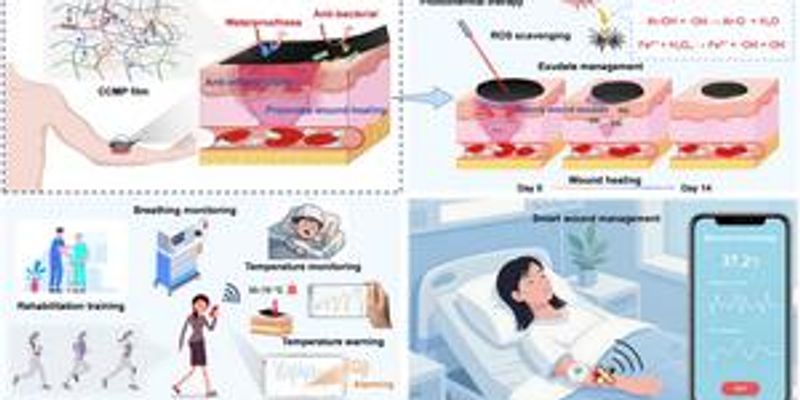
Researchers developed a conductive e-skin patch using aminated multi-walled carbon nanotubes and dopamine integrated into carboxymethyl starch.

Researchers, including MSE assistant professor Zafer Mutlu, are using graphene nanoribbons to create sensors capable of tracking extreme radiation levels.

Researchers incorporated thermally exfoliated graphene oxide into PVDF, enhancing both piezoelectric and triboelectric responses. This nanocomposite could advance self-powered wearables and flexible sensors.

Researchers explain how optothermal Raman thermometry measures thermal conductivity in graphene by using laser-induced temperature changes. The method's accuracy depends on precise absorbed-power measurements.

The North Carolina Department of Environmental Quality awarded $1 million for mobile biochar equipment to convert Hurricane Helene debris into a soil amendment for flood-damaged farmland in Haywood County.

A company led by Cambridge PhD Liu Zhenyu is advancing carbon nanotube materials for lightweight applications.

Drexel and Penn State researchers created a new hydrogel for biosensors that maintains skin contact through sweat and hair, enhancing durability and comfort during physical activity.
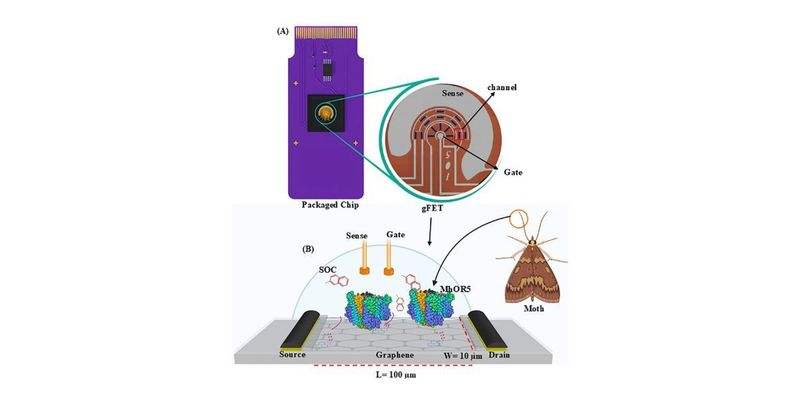
Bioengineers at UC San Diego integrated an insect olfactory receptor into graphene chips, creating a sensor that detects diverse organic compounds. This could lead to scalable, nature-inspired chemical sensors.

Researchers incorporated carboxylated multi-walled carbon nanotubes into a chitosan hydrogel to enhance red blood cell membrane stability for use in environmental sensors.
A review in Nano Research highlights how terminal groups (Tₓ) on MXenes influence their properties and applications, emphasizing their potential for tailored electronic, optical, and mechanical functionalities.

Researchers at Skoltech and the Harbin Institute of Technology have modelled how carbon nanotube smart sensors behave under the extreme temperatures and loads found in aircraft, predicting performance without physical testing.

Researchers at QUT developed a molecular strategy to prevent carbon nanotube clumping, enhancing thermal power efficiency for wearable devices that convert body heat into electricity.

Researchers incorporated carboxylated multi-walled carbon nanotubes into a chitosan hydrogel to enhance electrical conductivity and signal transmission in red blood cell sensors.

Researchers at ICREA have integrated semiconducting nanoporous graphene into sensing devices, using on-surface synthesis to build architectures that carry a usable bandgap.
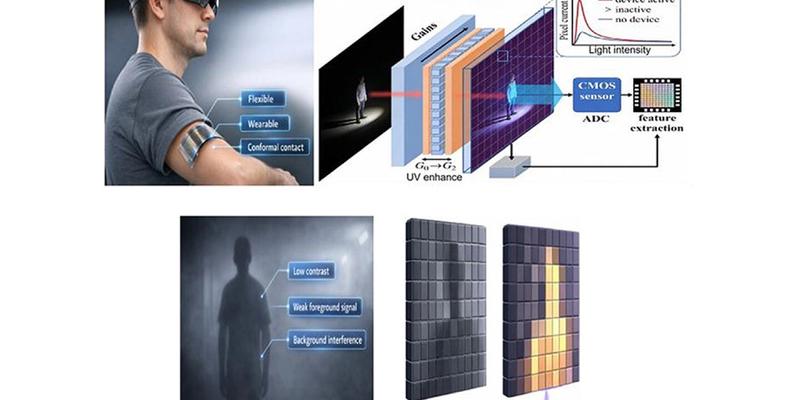
Researchers created a flexible memristor using perovskite quantum dots and graphene oxide, improving low-light image recognition by over 10% and doubling the signal-to-noise ratio.

Researchers at the University of Arizona demonstrated that graphene nanoribbons can withstand gamma radiation, suggesting their potential use as radiation sensors in fusion reactors and deep space applications.

Researchers at two London universities used QuEra's Aquila device to validate a method for extracting thermodynamic properties from nitrogen-doped graphene, tested on a 78-site system.

In a video, HydroGraph CEO Kjirstin Breure discusses how their graphene enabled a biosensor company to create technology that wasn't possible with other commercially available graphenes.

Researchers at the Skolkovo Institute of Science and Technology have developed a room-temperature infrared phototransistor using single-walled carbon nanotubes (SWCNTs) and lithium niobate (LiNbO3), achieving specific detectivities of up to 10^10 cm·Hz^1/2/W. This advancement in SWCNT-based pyroelectric phototransistors could lead to more affordable and portable IR sensing technologies, potentially transforming applications such as thermal imaging, environmental monitoring, and optical communications.

Researchers at Nagoya University have developed a technique to dynamically reshape graphene oxide nanofilms using computer-controlled electricity. This advancement could enhance the versatility of graphene-based materials in applications requiring precise 3D structures.

Researchers at Penn State have developed a battery-free solar computing chip that integrates silicon photovoltaics, MoS₂/WSe₂ complementary logic, and graphene chemical sensors. This innovation highlights the potential of graphene in enhancing the efficiency and functionality of solar-powered computing devices.
Researchers at Helmholtz-Zentrum Berlin have developed a new perovskite solar cell by incorporating graphene, enhancing its durability and efficiency. This advancement in perovskite technology could significantly reduce production costs and improve the performance of solar cells, potentially increasing the adoption of lightweight, flexible solar solutions over traditional silicon-based panels.
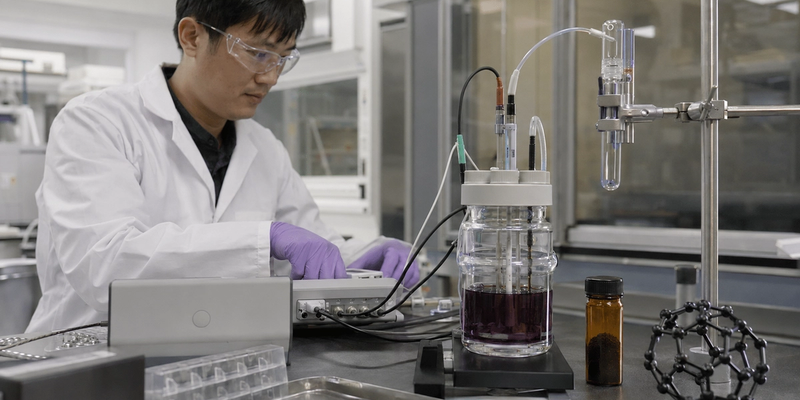
Canatu has appointed Walter Braun as Chief Technology Officer and Bernd Meier as Chief Marketing Officer, effective September 1, 2026. These appointments aim to enhance Canatu's capabilities in scaling the production and commercialization of its carbon nanotube technologies, crucial for its applications in the semiconductor and medical diagnostics industries.
Researchers from Brazil's Federal University of Pelotas and Federal University of Rio Grande do Sul have developed a laser-induced graphene sensor capable of detecting dopamine in tear fluid with high sensitivity. This advancement could lead to noninvasive monitoring of neurological disorders, utilizing the electroactive properties of graphene to provide a compact and scalable alternative to traditional methods that often require blood or implanted devices.

Researchers at the Helmholtz-Zentrum Berlin, along with collaborators, have developed a perovskite solar cell with a graphene-oxide interface that achieves 27.3% power conversion efficiency and maintains over 90% of this efficiency after 770 hours of operation. This advancement addresses the stability issues in all-perovskite triple-junction cells, potentially paving the way for more durable and efficient solar technologies using carbon-based materials like graphene.

Researchers at the University of Electronic Science and Technology of China have developed a CNT@Ag-MXene sensor that resists corrosion even under high strain conditions. This advancement in carbon nanotube composites could enhance the durability and lifespan of sensors used in harsh environments.
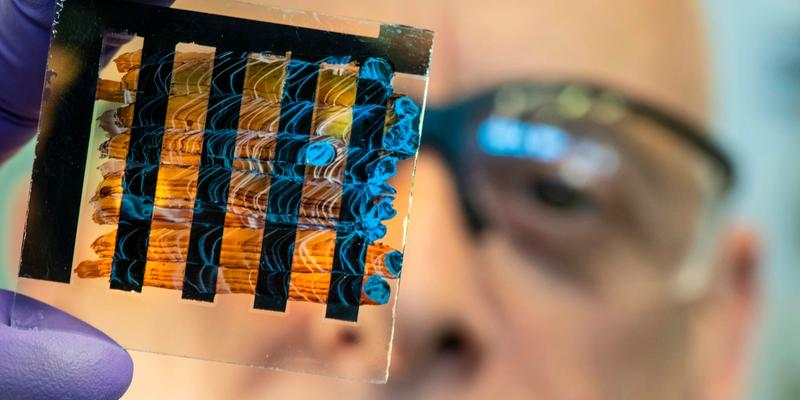
Researchers used a laser to convert portions of a thin plastic film into electrically conductive graphene to create a sensor. This development could lead to new applications for graphene in biomedical devices, particularly in analyzing biological fluids like tears.

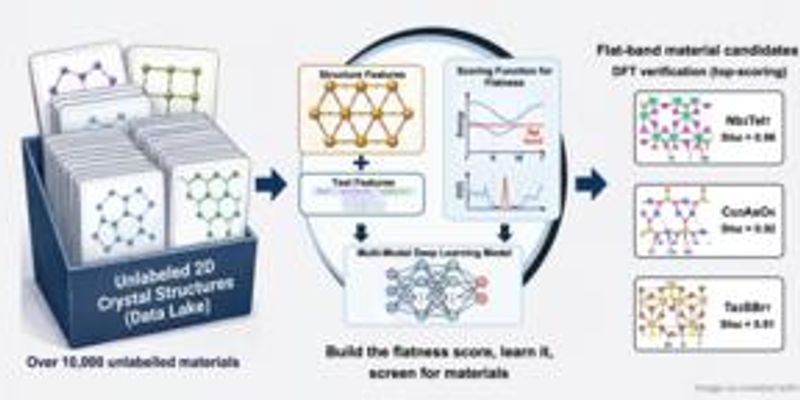
Dr Qian Yang at the National Graphene Institute, University of Manchester, has developed a new learning tool to expedite the search for two-dimensional quantum materials. This advancement could accelerate the discovery and application of graphene and other 2D materials in various technologies.

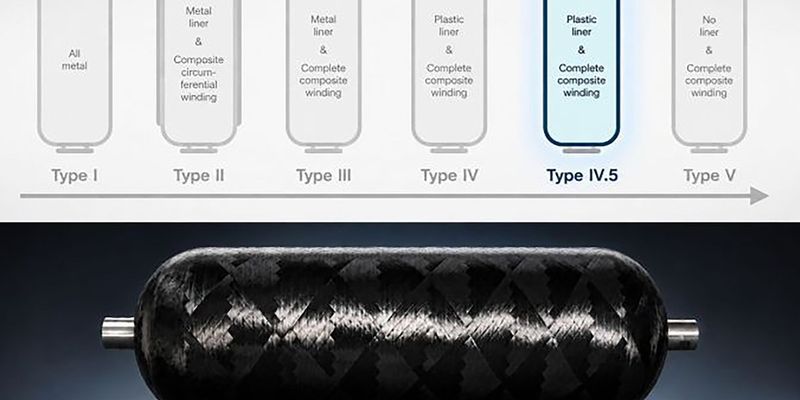
Avanco Composites has introduced a Type 4.5 pressure vessel that uses thermoplastic composites to match the polymer in the plastic liner with the matrix system in the overwrap. This fusion allows for enhanced storage solutions, particularly benefiting applications that require lightweight and efficient carbon fiber-reinforced structures.

Researchers have developed a graphene-based sensing platform designed for rapid detection of PFAS. This advancement could enhance monitoring efforts by utilizing graphene's sensitivity and conductivity properties to provide quicker analysis at the point of need.

Turquoise Group has achieved Verified Graphene Producer® status, confirming its capability to produce 30 tonnes of high-purity few-layer graphene annually at its Brisbane facility. This certification enhances the company's credibility in delivering high-quality graphene, a material crucial for applications in coatings, composites, and energy storage.


Researchers at Zhejiang University have developed a piezoresistive fiber bandage using multi-walled carbon nanotubes for shape sensing in slender medical continuum robots. This innovation provides a low-cost, highly stretchable alternative to fiber-optic systems, potentially expanding the use of carbon nanotube-based sensors in medical robotics for improved intraoperative guidance.


Researchers from the Skolkovo Institute of Science and Technology have developed a new infrared sensor using single-walled carbon nanotubes, which shows a conductivity change 10,000 to 100,000 times more pronounced than graphene. This advancement could lead to more sensitive and compact thermal cameras and medical sensors, leveraging the unique properties of carbon nanotubes for enhanced infrared detection without the need for cooling.

Researchers at Peking University have developed the first all-carbon nanotube CFET digital logic circuits, achieving highly balanced electrical performance between p-type and n-type transistors. This advancement is significant for the future of carbon nanotube technology, as it introduces a new path for high-density computing architectures in artificial intelligence and edge computing applications.

The Government of Himachal Pradesh, in collaboration with Dr Y.S. Parmar University of Horticulture and Forestry and ProClime Services Private Limited, has launched India's first indigenous biochar project in Hamirpur district, aiming to convert forest biomass into biochar to reduce fire risks and generate carbon credits. This initiative is significant for the advanced carbon materials sector as it transforms waste biomass into biochar, a stable carbon-rich material, thereby contributing to carbon sequestration and offering a sustainable model for forest management and rural livelihoods.

Physicists at Martin Luther University Halle-Wittenberg have demonstrated that carbon nanotori, specifically C₁₂₀, C₁₄₄, and C₁₆₈, can generate and control toroidal dipole moments, offering a third control channel for quantum computers with zero crosstalk. This discovery is significant for quantum computing as it introduces a new method for qubit control that is orthogonal to existing electric and magnetic control methods, potentially reducing errors caused by crosstalk in superconducting quantum processors.

Researchers at MIT have discovered that rhombohedral graphene can host multiple superconducting states simultaneously, with some states becoming stronger under magnetic fields. This finding is significant for advanced carbon materials as it reveals new possibilities for manipulating graphene's superconducting properties, which could impact quantum computing and other technologies relying on superconductivity.

Researchers at the Vietnam Academy of Science and Technology have developed a sensor electrode using a composite material of graphene, carbon nanotubes (CNTs), and gold nanoparticles that can detect pesticide residues at concentrations as low as parts per billion (ppb). This advancement is significant for the field of advanced carbon materials as it enhances the sensitivity and functionality of sensors, contributing to improved agricultural product monitoring and food safety.

Researchers have identified several uses for Fullerene C70 in organic photovoltaics, organic electronics, and advanced nanomaterials, noting its unique elongated carbon cage structure and electron-accepting behavior. This matters because C70's distinct optical and electronic properties, compared to C60, make it a valuable material for studying and optimizing charge transport and light absorption in these advanced carbon-based applications.

Researchers at Concordia University have developed nanocomposites using graphene oxide and reduced graphene oxide embedded in a nanocellulose matrix, achieving high accuracy in predictive modeling with R² > 0.99. This advancement is significant for the field of advanced carbon materials as it demonstrates the potential of these composites in applications such as wearable electronics and biosensors, leveraging the unique properties of graphene oxide and reduced graphene oxide.
Researchers from China and Russia have developed stretchable metasurfaces using single-walled carbon nanotube (SWCNT) film, achieving dynamic terahertz wavefront manipulation at 0.35 THz. This advancement is significant for the development of smart, wearable THz components in 6G communication and intelligent sensing applications.

Researchers functionalized fabric with reduced graphene oxide (RGO) and MWCNT-CuxO composites to create a flexible, non-enzymatic glucose sensor. The work advances carbon nanotube and graphene applications in wearable electrochemical sensing for health monitoring.
European semiconductor companies raised substantial funding in 2025, with the ten largest rounds ranging from NXP Semiconductors' €1 billion EIB loan down to IQE's £18 million convertible note, spanning AI chips, photonics, power electronics, memory, and chip cooling. Two graphene-focused companies, Paragraf ($55M Series C) and CamGraPhIC (€25M Series A), secured funding to scale graphene-based electronic devices and graphene silicon photonics respectively, signaling continued investor commitment to graphene's commercial role in semiconductors and optical interconnects.

Researchers applied the Small Perturbation Method to analytically and numerically model how Gaussian surface roughness affects bistatic scattering coefficients, transmission coefficients, and shielding effectiveness for copper and graphene slabs across radio-frequency to near-infrared ranges. The findings provide design guidelines for tuning graphene-based shielding and optical devices by adjusting chemical potential, temperature, and layer count alongside surface roughness parameters.
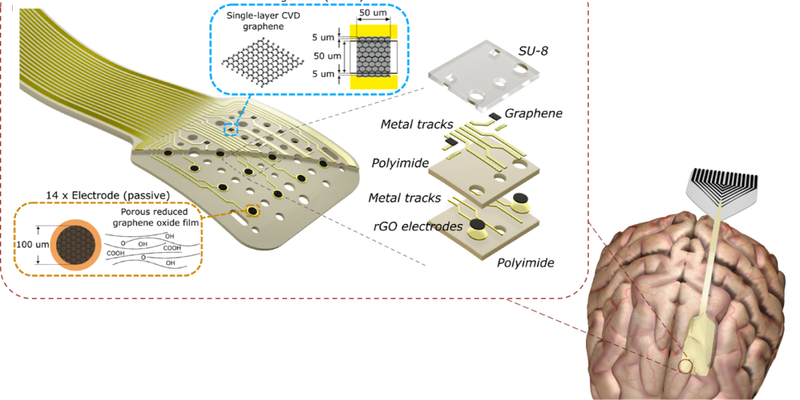
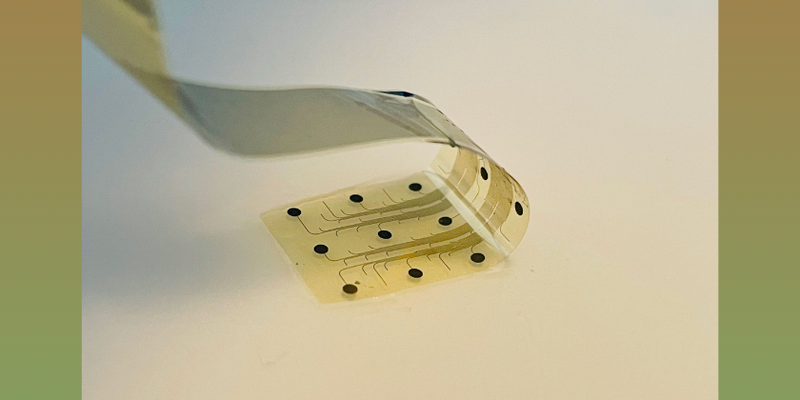
Researchers at ICN2, led by Jose A. Garrido, are developing graphene-based thin film devices for neural stimulation and recording, with work spanning device fabrication, in vivo testing in rodent and large-animal models, and clinical translation efforts. The work demonstrates a pathway for graphene to move from laboratory research into regulated medical devices, advancing the material's role in bioelectronics beyond conventional carbon fiber or composite applications.

INBRAIN Neuroelectronics completed enrollment of ten patients (eight treated) in a first-in-human trial of its graphene cortical interface, conducted during brain tumor resection surgeries at Northern Care Alliance NHS Foundation Trust, with no device-related adverse events or perioperative failures observed. The results support graphene as a viable electrode material for neural interfaces, with implications for the graphene sector as the technology advances toward clinical commercialization in brain-computer interface applications.

Researchers measured the Duffing nonlinear mechanical response of a suspended single-wall carbon nanotube quantum dot at 13 mK, extracting an electromechanical coupling ratio g/ωm of 4.0 and observing an anomalous stiffening-spring Duffing parameter near single-electron tunneling regions where softening was theoretically expected. The unexplained sign discrepancy in the nonlinear spring behavior challenges existing models of electron-vibron coupling in carbon nanotube resonators and has implications for the design of CNT-based nanoelectromechanical sensors and qubits operating in the ultrastrong coupling regime.

Professor Roman Gorbachev at the University of Manchester received a £1.9 million EPSRC Open Fellowship to lead a five-year project scaling van der Waals 2D material heterostructures from micrometre samples to wafer-scale fabrication using a new ultra-high vacuum platform. The work directly advances graphene and 2D materials manufacturing by targeting industrial-process compatibility and establishing a UK fabrication hub accessible to academic and industry users.

Gyeongsangbuk-do Province secured 30 billion won in South Korean state funds across three projects targeting graphene 2D nanomaterials, ultra-precise electronic glass, and on-device AI for manufacturing, running from 2026 to 2030. The graphene project, organized by POSTECH Nano Convergence Technology Institute with 14.3 billion won, aims to build Korea's first end-to-end infrastructure covering graphene synthesis through to commercialization, addressing the country's longstanding gap between R&D capability and industrial-scale production.

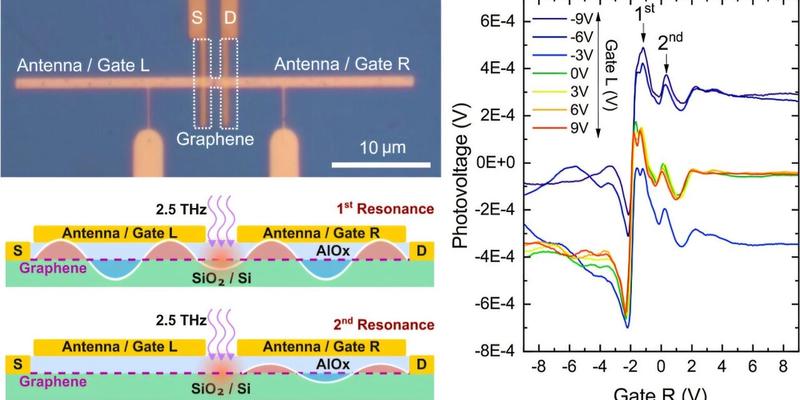
Researchers at ICFO and partner institutions built a monolayer graphene terahertz photodetector using acoustic graphene plasmon cavities grown via chemical vapor deposition, achieving a 30% higher photoresponse than conventional devices without hexagonal boron nitride encapsulation, published in ACS Photonics in 2026. The result shows that CVD-grown graphene can deliver competitive THz detection performance without the fabrication complexity of hBN encapsulation, lowering a barrier to large-scale graphene device manufacturing.

Canada's graphene sector has developed across production, construction, filtration, printed electronics, and energy storage, with companies such as NanoXplore operating a 4,000-metric-ton-per-year facility in Montréal and firms like Zentek and Graphene Leaders Canada advancing application-specific products toward commercial deployment. The ecosystem signals a shift from materials science demonstration toward repeatable industrial use cases in carbon-based composites, conductive additives, and separation technologies, though commercial viability still depends on product qualification, standardization, and cost competitiveness against incumbent materials.

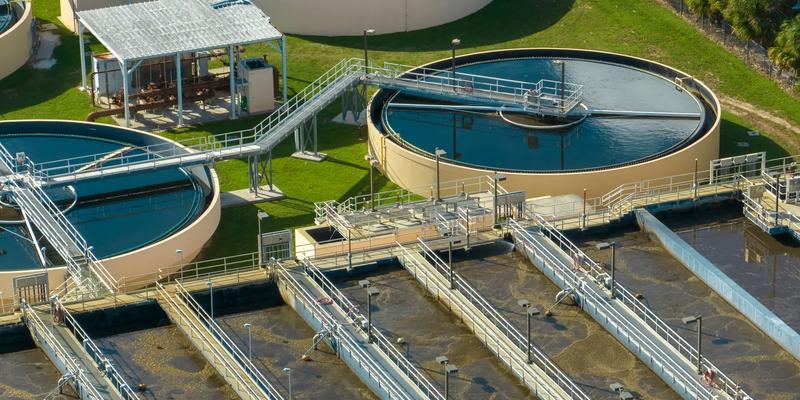
Researchers and engineers are evaluating graphene oxide and reduced graphene oxide as adsorbents, antifouling coatings, catalytic supports, and modified membrane layers within industrial water treatment systems targeting COD removal, biofouling control, and reverse osmosis feed protection. The graphene sector faces a clear scaling challenge, as industrial adoption of these carbon nanomaterials depends on demonstrating mechanical stability, resistance to chemical cleaning cycles, controlled delamination, and validated cost-per-cubic-meter performance in pilot tests using real effluent matrices.

Terrance Barkan of the Advanced Carbons Council and Dr. Andrew Pollard of the UK's National Physical Laboratory discussed how measurement science, standardization, and materials verification underpin the commercialization of graphene and other advanced carbon materials. For the sector, the conversation highlights that without validated characterization methods and traceable measurement standards, reproducible manufacturing and scalable deployment of carbon nanomaterials — including graphene, carbon nanotubes, and emerging MXenes — remain unachievable.
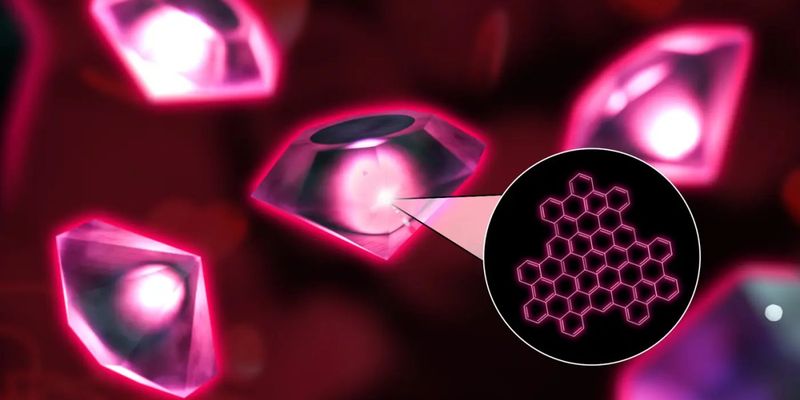
A team led by Yingke Wu and Tanja Weil at the Max Planck Institute for Polymer Research synthesized 3–4 nm nanodiamonds from nanographene building blocks under high pressure and temperature, publishing the results in Nature. The bottom-up method gives precise control over nanodiamond size and allows silicon- and germanium-based optical emitters to be incorporated during synthesis without post-processing, which is relevant for carbon-based quantum and photonic material development.
Canatu Plc restructured its leadership team on June 25, 2026, consolidating reporting lines directly to CEO Maximilian Slawinski and renaming its Automotive business unit to Robotics, Mobility and Defence. The reorganization signals Canatu's broadened market focus for its carbon nanotube products beyond automotive into robotics and defence applications.
Researchers at Vietnamese universities fabricated a glassy carbon electrode modified with poly(pyrocatechol violet) and electrochemically reduced graphene oxide using one-step cyclic voltammetry, achieving a metronidazole detection limit of 0.013 µM. The work demonstrates a route to functionalized reduced graphene oxide composites that avoids toxic chemical reductants, relevant to the development of graphene-based electrochemical sensing materials.

Researchers at the Max Planck Institute for Polymer Research, led by Yingke Wu and Tanja Weil, synthesized nanodiamonds of 3–4 nanometers from graphene fragments using high pressure and high temperature, publishing the results in Nature. The bottom-up method allows precise control over nanodiamond size, structure, and dopant atoms—such as nitrogen for vacancy centers or silicon for photoluminescence—which is relevant for graphene-derived carbon nanomaterials and quantum photonics applications.

Terrance Barkan of The Graphene Council published a framework mapping the commercialization maturity journey of graphene through stages from discovery to mature commercialization, identifying nine recurring obstacles including capital access, regulation, standardization, and value chain complexity. The framework positions graphene as approaching proven commercial viability in multiple application areas—including composites, construction materials, and thermal management—while arguing that its "killer application" lies in broad adoption as a performance-enhancing additive across sectors rather than in any single use case.

Researchers at Brookhaven National Laboratory used a 36 Tesla magnet to observe a previously unknown flat-band state in pristine graphene that emerges at integer multiples of an applied magnetic field, publishing the findings in Physical Review Letters. The tunable band structure could inform the design of graphene-based Hall sensors and resistance metrology standards.

Researchers from the University of Warwick, University of Nottingham, and Diamond Light Source grew graphene films with controllable defect densities using a molecule called azupyrene, which naturally incorporates five- and seven-membered carbon rings, with defect levels tuned by growth temperature. The method gives the graphene sector a reproducible route to engineer surface reactivity, with direct implications for graphene-based catalysts and gas sensors.
A research team at Osaka University built a graphene nanoribbon-based gas sensor capable of detecting individual CO2 molecules at ambient pressure, achieving detection limits below 10 parts per trillion, as published in Nature Materials. The result demonstrates graphene nanoribbons as a viable platform for ultra-sensitive gas detection, with potential applications in environmental monitoring and medical breath analysis.

A team at the National University of Singapore developed a graphene field-effect transistor biosensor that detects four oral cancer biomarkers from saliva in 90 seconds, achieving 94.2% sensitivity and 91.8% specificity in a 220-patient clinical pilot. The device demonstrates a scalable diagnostic application for functionalized graphene, with a spinout company pursuing commercialization and a projected per-test cost under 4 USD.
The University of Exeter's Centre for Graphene Science demonstrated a graphene-zinc oxide heterostructure UV photodetector with an 8-nanosecond response time at 365 nm, 10x faster than commercial silicon devices, as published in Advanced Materials. The result advances graphene's case as a functional material in high-speed optoelectronics, with Hamamatsu Photonics engaged for industrial-scale validation and patents filed across three jurisdictions.

Premier Graphene Inc and Mitsubishi Pencil Company signed a joint development agreement to co-develop graphene-based conductive inks for printed electronics, targeting two co-branded product launches in late 2026 with a combined first-year revenue target of 12 million USD. The deal advances commercial adoption of single-layer graphene dispersions in printed electronics applications such as RFID tags, smart packaging, and biosensor electrodes.