News30 September 2026· Biomass & Recycled Carbons Feed
Recovered carbon black from end-of-life tires used in Continental production
Biomass & Recycled CarbonsAutomotiveRubber & SyntheticsSustainabilitySupply Chain
6 articles on Biomass & Recycled Carbons in Automotive.
Continental is incorporating recovered carbon black from end-of-life tire pyrolysis into its tire production.
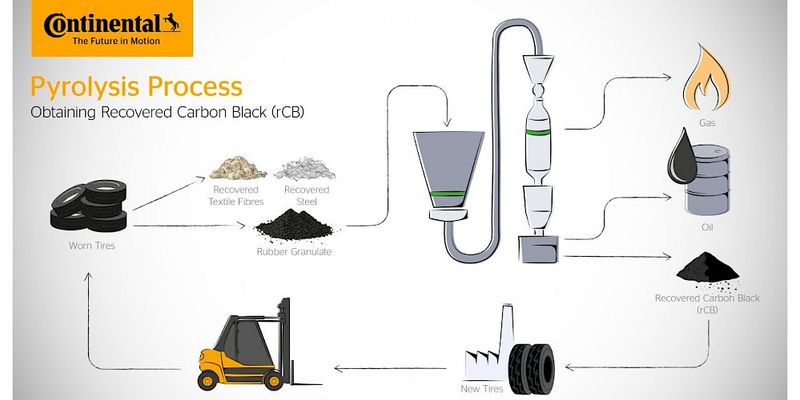
The Advanced Carbons Council calls for a U.S. carbon materials innovation platform focused on standards, testing and buyer qualification. The paper links engineered-carbon supply chains to manufacturing, energy, defense and AI infrastructure. Serves as a model for governments world-wide.
South Korea's government launched a €30 million R&D program to improve the use of recovered carbon black in tire compounds.
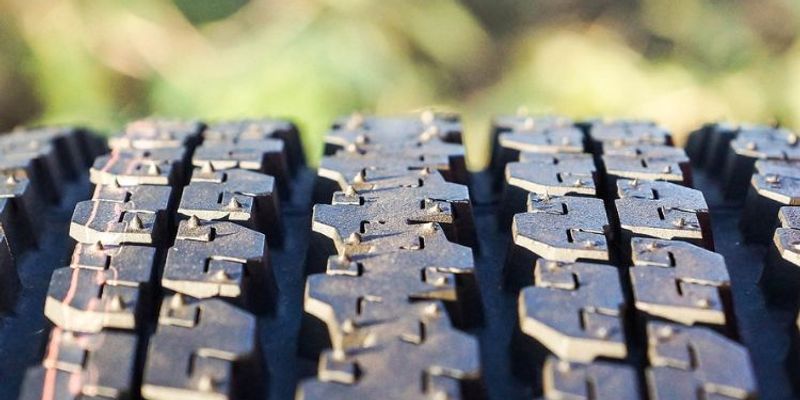
Operators can boost profits from tire pyrolysis by refining oil and carbon black into higher-value products. Upgraded materials meet industrial standards, attracting stable buyers and better margins.
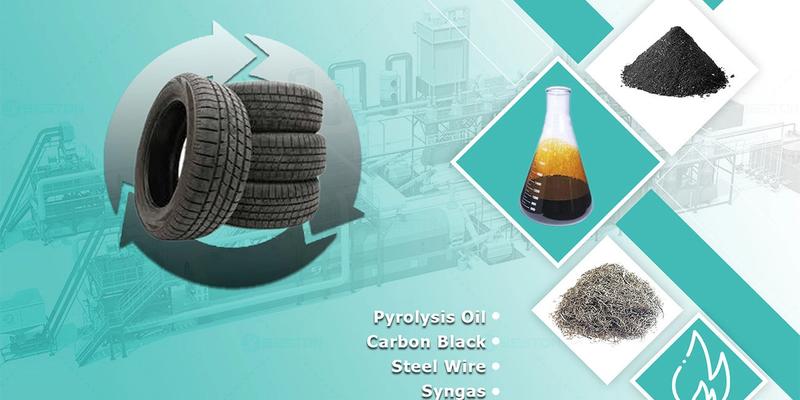
Talbros Automotive Components has formed a joint venture with Lohum Cleantech to create Lohum Talbros CarbonTech Private Limited, focusing on the production of recovered carbon black and devulcanized rubber. This collaboration marks Talbros' strategic move into sustainable automotive materials, leveraging advanced carbon materials like recovered carbon black to support the circular economy.

The recovered carbon black (rCB) market, produced by pyrolyzing end-of-life tires, is projected to grow at a 6.4% CAGR from 2023 to 2028, with each ton of rCB saving up to 1.7 tons of CO2 compared to virgin carbon black. Inconsistent output quality and complex regulatory requirements remain the primary barriers limiting broader adoption of rCB as a substitute feedstock in tire, rubber, and carbon materials manufacturing.