South Korea announces €30 million R&D program for recovered carbon black
South Korea's government launched a €30 million R&D program to improve the use of recovered carbon black in tire compounds.
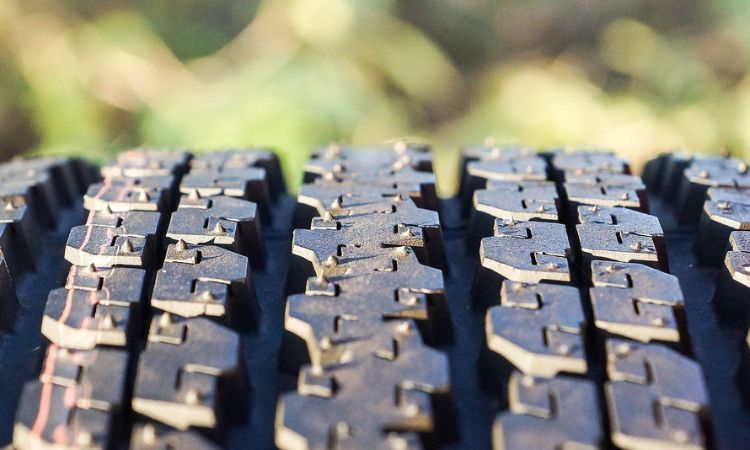
South Korea's Ministry of Climate, Energy and Environment has announced a KRW48 billion (€30 million) investment in research and development to enhance the recycling of end-of-life tires, with a focus on increasing the use of recovered carbon black (rCB) in new tire production. This initiative is part of a larger KRW73 billion national R&D program that aims to improve the circular use of waste tires and discarded clothing through 2030. The tire sector component seeks to reduce reliance on thermal recovery by supporting technologies that can produce higher-quality rCB, enabling tire manufacturers to incorporate at least 15% recovered carbon black into new tire compounds. This effort aligns with preparations for future EU ecodesign requirements affecting tires.
Currently, over 60% of waste tires in South Korea are recycled into thermal products like solid recovered fuel, with only a small portion converted into rCB for new tire production. The government aims to shift towards higher-value recycling by producing recycled raw materials suitable for manufacturing applications rather than primarily energy-related uses.
The ministry notes that current durability limitations restrict the use of rCB to about 5% in new tire compounds. The program will focus on improving rCB quality through pretreatment of waste tires before pyrolysis. Enhanced feedstock preparation and processing could yield rCB with properties better suited for tire manufacturing, where reinforcement, consistency, and durability are crucial.
The initiative will also support the development of tire manufacturing technologies capable of utilizing at least 15% rCB. Achieving this will require advancements in rCB quality, compound formulation, processing, and validation to ensure tire performance standards are met. The goal is to establish a circular utilization system for waste tires by commercializing products based on higher-value recycled raw materials.
Pyrolysis plays a central role in tire recycling strategies aimed at producing rCB and other tire-derived materials. Through pyrolysis, end-of-life tires can be converted into outputs such as rCB, tire-derived oil, gas, and steel. South Korea's program emphasizes improving rCB quality for broader use in new tire production, supporting tire-to-tire circularity.
The project will also assist Korean manufacturers in preparing for the EU's Ecodesign for Sustainable Products Regulation. Tires are a priority product group under this framework, with adoption expected in 2027 and application from 2028. Future requirements may impact tire design, recycled material use, durability, recyclability, and sustainability reporting, highlighting the importance of developing higher-quality recycled inputs for European markets.
The KRW48 billion tire recycling initiative is part of a broader KRW73 billion national R&D effort addressing both waste tires and discarded clothing. For end-of-life tires, the program is expected to support technology development, commercialization, and circular economy infrastructure by promoting advanced recycling pathways. If successful, it could expand demand for rCB, enhance the value of pyrolysis outputs, and strengthen South Korea's position in sustainable tire materials.
Source: Biomass & Recycled Carbons Feed