Mining oil from plastic waste in rural Korea
City Oil Field has developed the RGO system to extract oil from plastic waste in rural Korea.
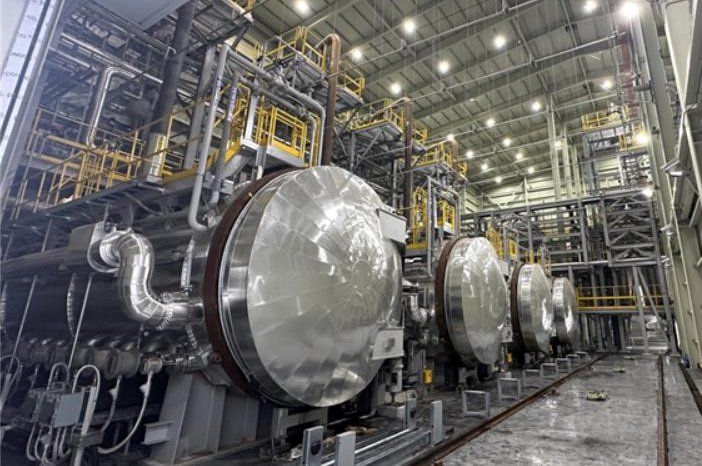
Dosi Yujeon, a company based in Jeongeup, South Korea, has developed a process to extract oil from waste plastic without combustion, thereby minimizing carbon emissions. This innovative method uses heated ceramic beads to break down the carbon chains in plastic, converting it into oil. The process operates at temperatures below 300 degrees Celsius, significantly lower than conventional pyrolysis methods, and does not produce dioxins or require auxiliary fuel.
The facility processes approximately 24 tons of waste plastic daily, achieving an oil recovery rate of about 70%. The resulting oil is then refined into various grades, including heavy fuel for ships and naphtha feedstock for new plastic production. The entire annual output is contracted to Trafigura, a major commodity trader.
The technology, which took 45 years to develop, was spearheaded by Jung Heung-je and later advanced by his son, Jung Young-hoon, who founded Dosi Yujeon in 2015. The company received the New Excellent Technology (NET) certification from South Korea's Ministry of Trade, Industry and Energy in 2021, marking its export readiness.
Despite its promise, the process faces skepticism. Critics argue that chemical recycling can be energy-intensive and question its classification as recycling. However, Dosi Yujeon has secured international certifications and a committed buyer, suggesting its potential viability.
As interest grows, visitors from various countries have tested the process firsthand, witnessing the transformation of plastic into oil without combustion. While the debate over chemical recycling continues, Dosi Yujeon's achievements highlight the potential for innovative solutions in waste management and carbon reduction.
Source: Graphene Feed