9 articles on Oil & Gas.
The U.S. Department of Energy has allocated $500 million to strengthen domestic processing and manufacturing of critical battery materials, aiming to reduce foreign supply chain reliance by 15% by 2030.

Researchers at the National University of Singapore have developed aerogels from aircraft composite waste, which may be used for insulation, noise reduction, and cleaning up oil spills.

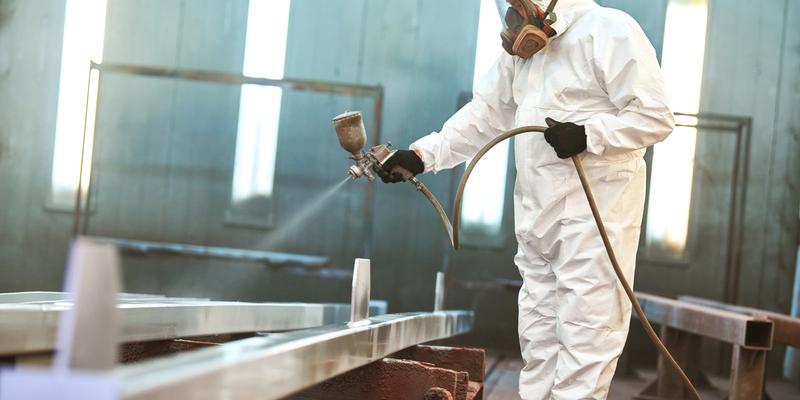
PV PAINT plans to launch nanotube-enhanced zinc-rich coatings in Q3 2026, expanding its PERAPHENE™ line. These coatings offer long-term corrosion protection for harsh industrial environments.

The North Carolina Department of Environmental Quality awarded $1 million for mobile biochar equipment to convert Hurricane Helene debris into a soil amendment for flood-damaged farmland in Haywood County.

Researchers at Yunnan Minzu University developed a biochar catalyst from spent coffee grounds that converts over 99% of hydrogen sulfide into elemental sulfur, offering a sustainable waste treatment solution.

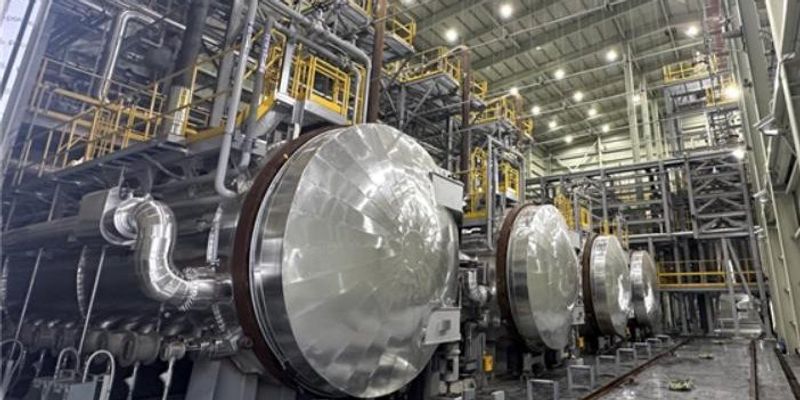
City Oil Field has developed the RGO system to extract oil from plastic waste in rural Korea.

Graphene Leaders Canada has commercialized its graphene-enhanced electroless nickel additive, offering improved corrosion resistance and wear performance. The technology is now available to industrial sectors worldwide.
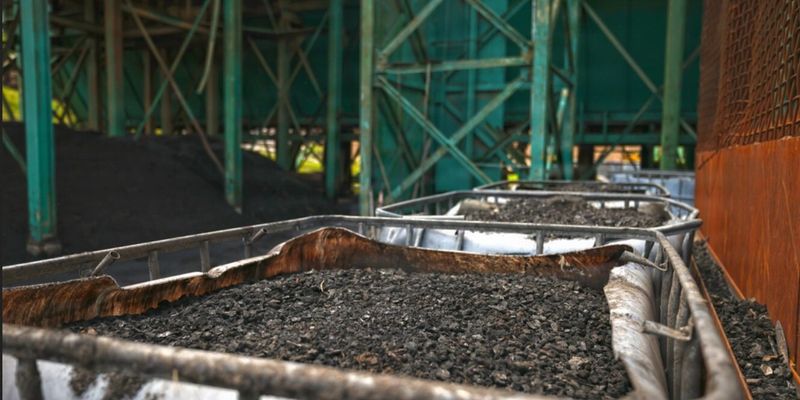
Pyrum Innovations has announced that its tire recycling plant project in Perl-Besch, Germany is back on track following the successful optimisation of its Dillingen facility, which now produces stable recovered carbon black (rCB). This development is crucial for the advanced carbon materials sector as it demonstrates the viability of producing high-quality rCB, a key component for sustainable tire manufacturing and other applications.

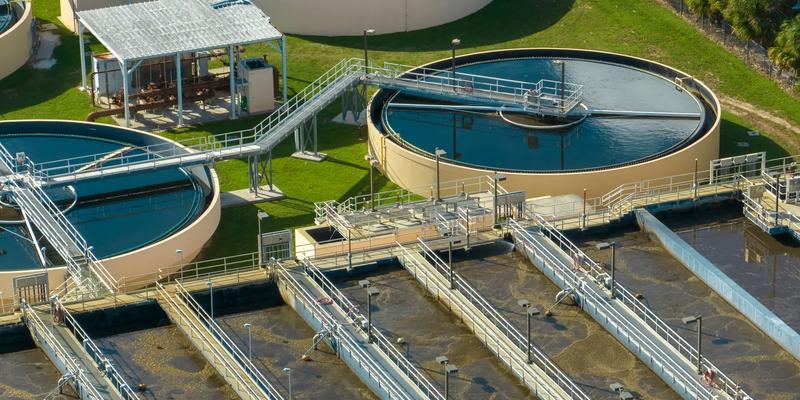
Researchers and engineers are evaluating graphene oxide and reduced graphene oxide as adsorbents, antifouling coatings, catalytic supports, and modified membrane layers within industrial water treatment systems targeting COD removal, biofouling control, and reverse osmosis feed protection. The graphene sector faces a clear scaling challenge, as industrial adoption of these carbon nanomaterials depends on demonstrating mechanical stability, resistance to chemical cleaning cycles, controlled delamination, and validated cost-per-cubic-meter performance in pilot tests using real effluent matrices.