Nairobi's Upper Hill Walkway Tests Carbon-Capturing Concrete
A new walkway in Nairobi's Upper Hill uses carbon-capturing concrete with biochar to test carbon-negative construction methods.
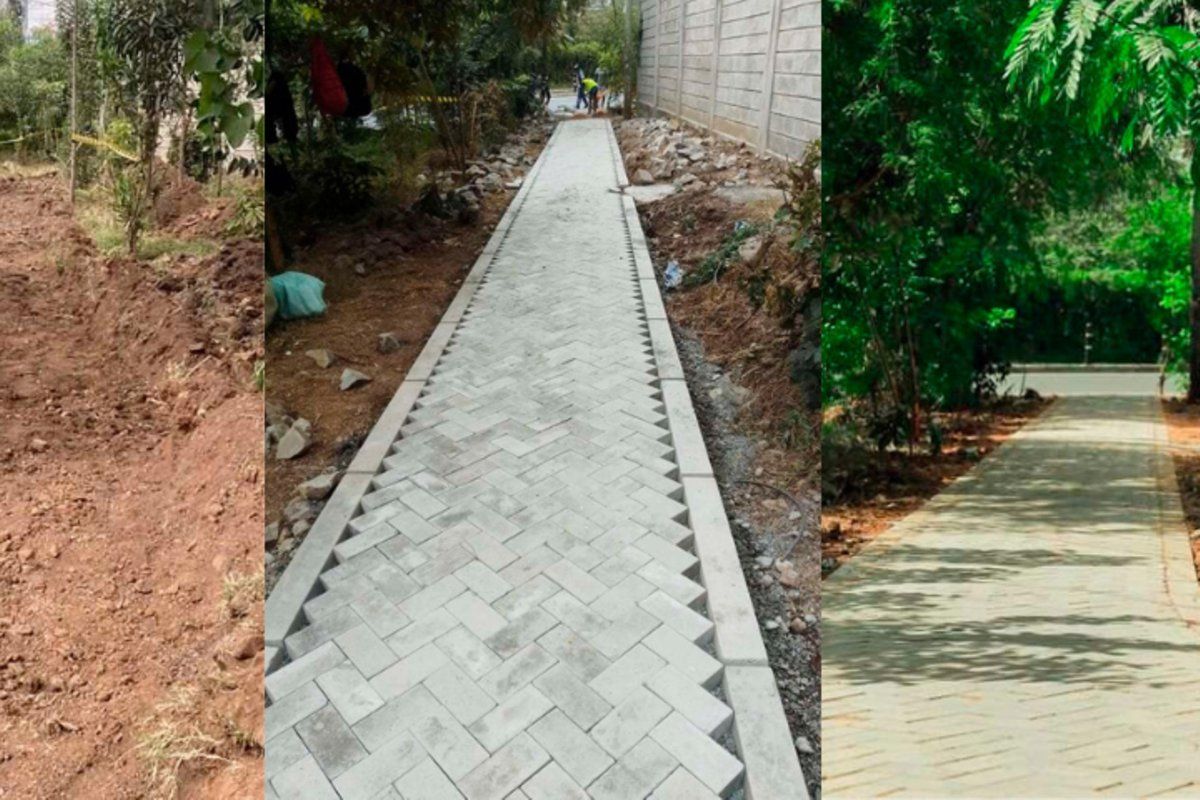
A pedestrian walkway in Nairobi's Upper Hill district is utilizing carbon-mineralized concrete, a material that permanently traps carbon dioxide, marking a shift in construction practices.
The walkway, located in Nairobi's Upper Hill financial district, features paving blocks made from carbon-mineralized concrete. This innovative material captures and permanently stores CO2, preventing its release into the atmosphere. This project represents a significant step for East Africa's construction sector, moving from theoretical green building concepts to practical application.
Developed by ZEN Carbon in partnership with Flamingo Concrete, these mineralized paving units address the global challenge of CO2 emissions from concrete production. The construction industry produces over 4 billion tonnes of concrete annually, with cement manufacturing contributing approximately 8% of global CO2 emissions. By embedding carbon within urban infrastructure, Nairobi is at the forefront of climate-resilient engineering, providing valuable data for global developers and policymakers.
Traditional concrete production involves the calcination of clinker, releasing about 0.9 tonnes of CO2 per tonne of cement. ZEN Carbon's method alters this by injecting captured carbon dioxide into ready-mix concrete, where it undergoes a chemical reaction to form a mineral state, permanently locking the CO2 within the concrete. This process not only sequesters carbon but also enhances the material's compressive strength, as demonstrated in laboratory settings. The Upper Hill walkway serves as a real-world testing ground for this technology.
Engineers and project managers designed the Upper Hill site to assess the durability of carbon-mineralized materials under urban conditions. While lab tests suggest superior durability, the walkway must withstand pedestrian traffic, weather, and abrasion. Field trials are crucial for gathering performance data, which will inform the Kenya Urban Roads Authority and private developers about the viability of low-carbon materials for future projects.
Nairobi's initiative has implications beyond East Africa. In the US and UK, new building codes and net-zero targets are driving the construction industry to adopt decarbonization solutions. The US General Services Administration has set strict limits on the embodied carbon in federal projects. Kenya's demonstration of carbon mineralization at a commercial scale positions it among global carbon removal innovators.
The project aligns with regional sustainability efforts. Institutions like the Institute of Cement and Concrete at Meru University are researching Limestone Calcined Clay Cement and bio-based concrete admixtures. Companies like Pyrogen are producing biochar-enhanced concrete, capable of sequestering significant amounts of CO2.
Widespread adoption of these materials will require policy support and financial incentives. While the exact carbon sequestration volume in the Upper Hill walkway is pending formal audits, the concept's potential is clear. If the paving blocks prove as durable as traditional cement, regulatory bodies may face pressure to mandate low-carbon materials in public tenders.
As people walk along the new Upper Hill pathway, they tread on a foundation that symbolizes a greener economy, demonstrating that the built environment can contribute positively to the global climate.
Source: Biochar Feed