New Prescription Targets Environmental Crisis
Researchers from the University of Exeter and Lund University published a Sustainability Hierarchy Framework that ranks environmental interventions by priority, placing reduction of extraction and consumption above downstream measures like recycling and offsets. The framework has no direct implication for the advanced carbon materials sector, but its push to redirect funding away from downstream cleanup toward upstream production limits is notable for industries reliant on fossil fuel-derived feedstocks such as carbon fiber precursors and synthetic graphite.
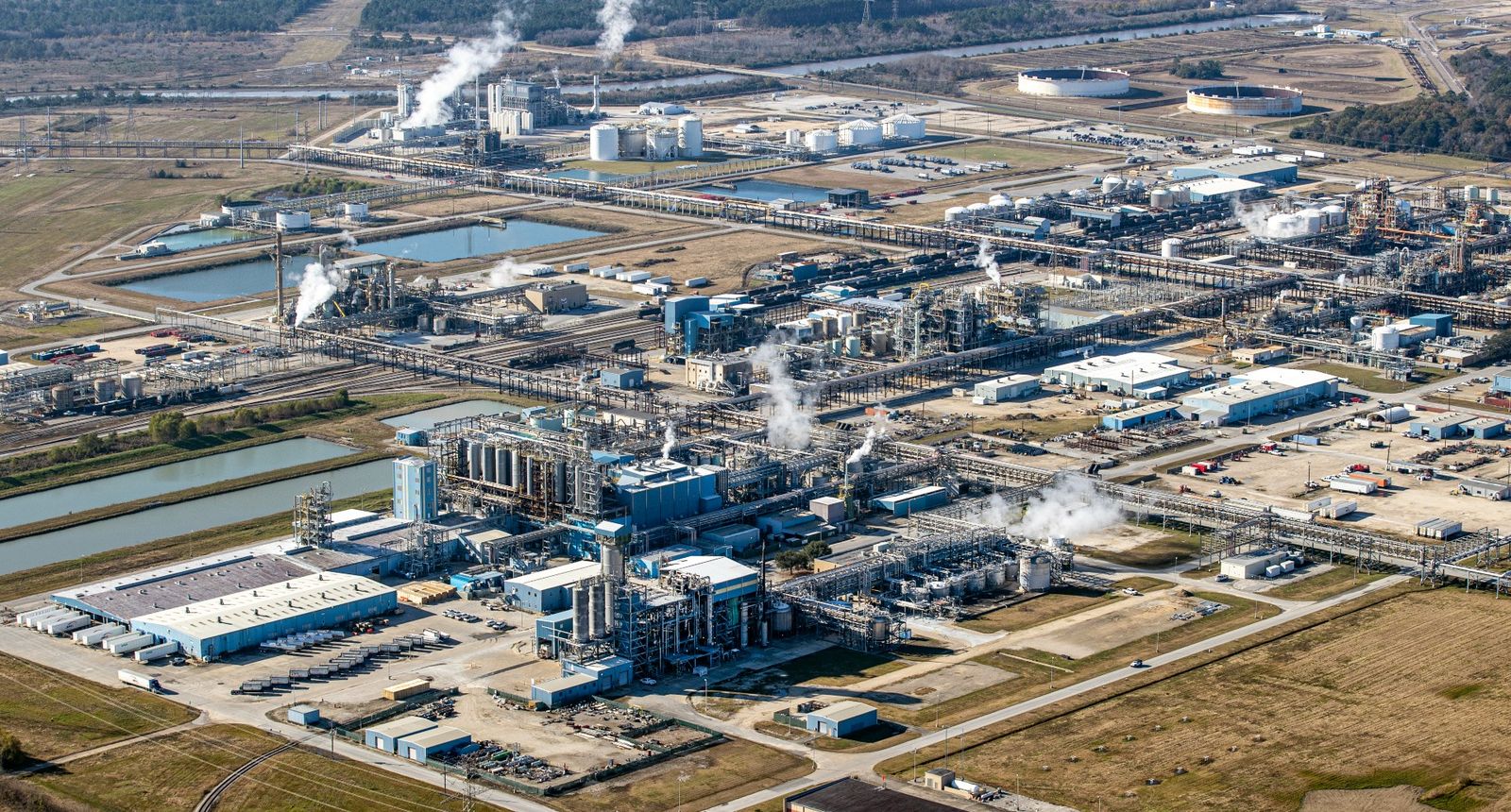
A new framework aims to tackle the escalating environmental crisis by prioritizing sustainable practices.
An international team of researchers has identified the need for a shift in strategic direction to effectively address climate change, biodiversity loss, and pollution. Their findings suggest that the focus should not solely be on the quantity of commitments and funding but on a structured hierarchy of priorities.
The proposed Sustainability Hierarchy Framework provides policymakers and financial decision-makers with a clear set of priorities, emphasizing the reduction of extraction and consumption. Dr. Melissa Wang from Greenpeace Research Laboratories at the University of Exeter highlights the need for integrated environmental action to prevent shifting problems from one area to another.
The framework consists of five tiers and prioritizes "upstream" interventions. This approach is reflected in international initiatives such as the Santa Marta Conference, the Fossil Fuel Non-Proliferation Treaty Initiative, and the Kunming-Montreal Global Biodiversity Framework.
Offsets and credits are excluded from the framework as they do not constitute genuine interventions. Instead, the focus is on reducing fossil fuel extraction, plastic production, and deforestation. The Global Plastics Treaty negotiations exemplify the framework's logic, with a call for curbing plastic production rather than relying on recycling.
Dr. Fredric Bauer from Lund University emphasizes the need to redirect policy and finance towards preventive measures. The framework is being presented at the Exeter Climate Forum and to global stakeholders, including diplomats, investors, and Indigenous Peoples.
Frankie Orona, Executive Director of the Society of Native Nations, underscores the importance of addressing unsustainable extraction and production models that impact Indigenous communities. He calls for the recognition and respect of Indigenous Peoples' rights as a fundamental aspect of any effective environmental framework.
Source: Biochar Feed