Piezoelectric hydrogel converts muscle motion into signals to rebuild bone in osteoporosis
Researchers developed a PVDF and silk fibroin hydrogel with MXene that converts muscle movement into electrical signals to promote bone regeneration in osteoporosis.
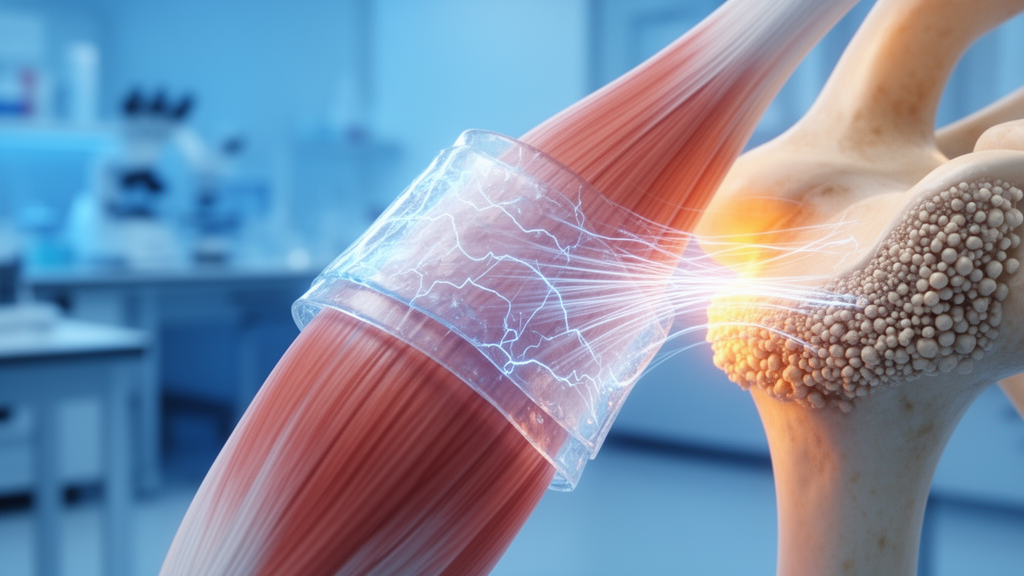
Researchers have developed a piezoelectric hydrogel that converts mechanical energy from muscle movements into electrical signals, promoting bone regeneration and inhibiting fat formation in osteoporotic conditions. This material, tested in rat models, is a composite structure featuring a core of polyvinylidene fluoride (PVDF), known for its piezoelectric properties due to its high dipole moment. The PVDF core is embedded within a hydrogel made of regenerated silk fibroin and MXene, a two-dimensional titanium carbide, enhancing the hydrogel's conductivity and mechanical strength.
The study demonstrated that the piezoelectric hydrogel could effectively stimulate osteogenesis while suppressing adipogenesis. The PVDF layers within the hydrogel generate electrical potentials when deformed, with the electrical output increasing significantly with additional layers. This electrical stimulation was shown to influence cell behavior, promoting bone cell activity and reducing fat cell formation under inflammatory conditions, such as those found in postmenopausal osteoporosis.
In vivo experiments highlighted the hydrogel's potential in addressing bone defects. Rats with estrogen deficiency exhibited significant bone loss and increased fat deposition. However, the implantation of the piezoelectric hydrogel in these rats resulted in improved bone volume and structure, with reduced fat accumulation. The electrical signals generated by the hydrogel were linked to changes in glycerophospholipid metabolism, particularly involving the enzyme cytosolic phospholipase A2 (cPLA2), which plays a role in osteoblast recruitment.
While the research is still in the preclinical stage, the findings suggest that the piezoelectric hydrogel could serve as a novel platform for bone defect rehabilitation, leveraging the body's natural movements to generate therapeutic electrical signals. Further studies are needed to confirm these results in human models and fully understand the underlying mechanisms.
Source: MXenes