Platinum fuel cells last longer with nitrogen-enhanced graphene wrapper
Researchers developed a nitrogen-enhanced graphene wrapper for platinum in fuel cells, increasing its lifespan.
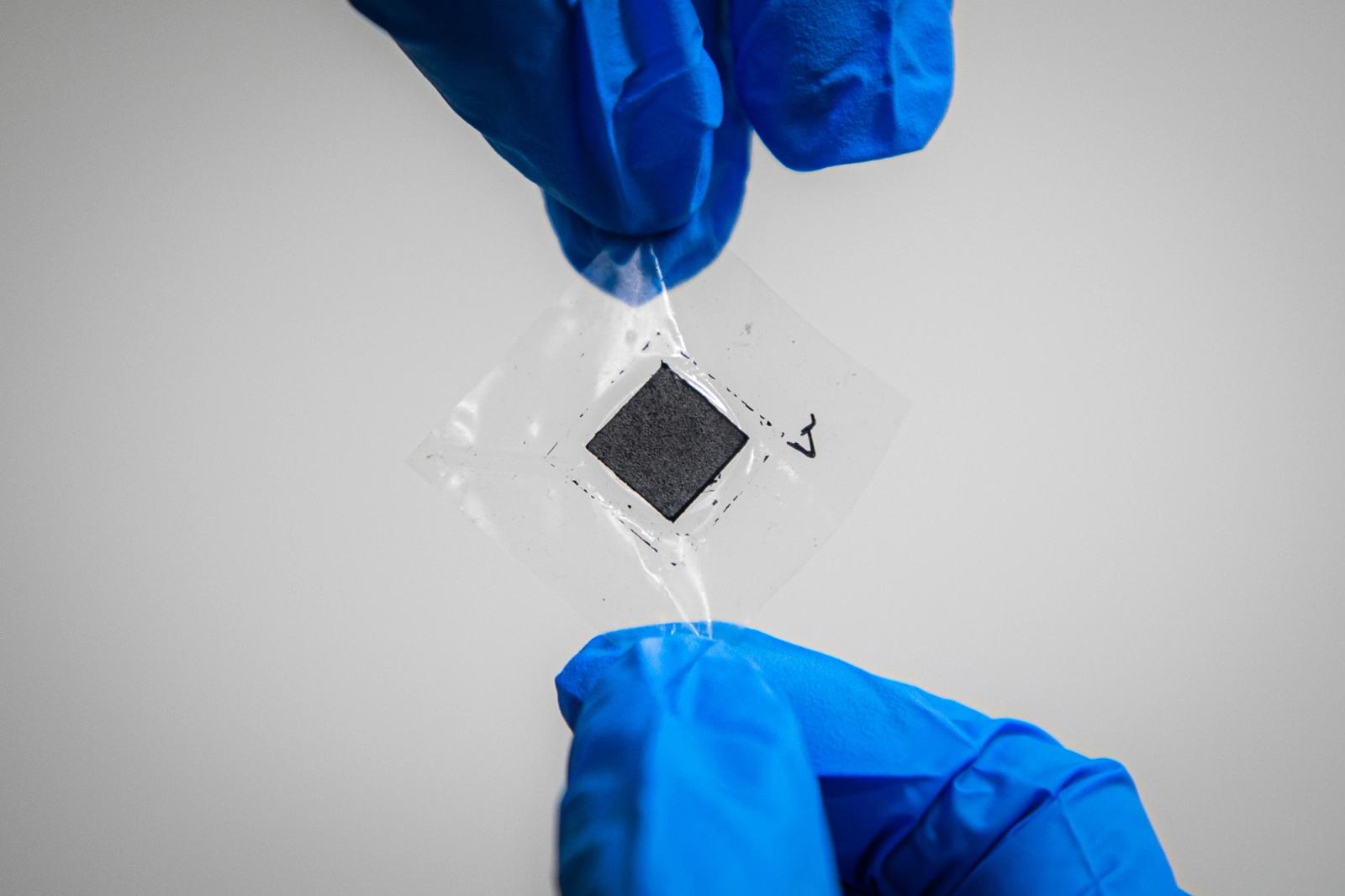
Researchers at Nagoya University have developed a new catalyst that enhances the durability of platinum in fuel cells by encapsulating it in a nitrogen-doped graphene shell. This innovation addresses the challenge of platinum degradation, a key barrier to the widespread adoption of fuel cells, which convert hydrogen into electricity with water as the only by-product.
Fuel cells, particularly useful for heavy-duty vehicles, rely on platinum as a catalyst to accelerate the reaction between oxygen, protons, and electrons. However, the high cost and limited durability of platinum have restricted commercial use. The new catalyst, named Pt@N-FLG/SWCNT, uses nitrogen-enhanced graphene to increase the number of active sites available for reaction, improving efficiency.
The team, led by Miftakhul Huda and Professor Yutaka Matsuo, also utilized single-walled carbon nanotubes from Meijo Nano Carbon Co., Ltd. to support the platinum nanoparticles. Remarkably, the nanoparticles attached directly to the nanotubes without the need for linkers, a discovery attributed to Huda's materials engineering approach.
Laboratory tests of Pt@N-FLG/SWCNT showed a significant increase in active platinum surface area compared to commercial catalysts. After 30,000 voltage cycles, the catalyst retained 96.9% of its active surface, surpassing the US Department of Energy's 2025 targets for electrocatalysts. The nanotubes also helped prevent the platinum from forming large clumps, maintaining a useful surface area.
The Matsuo Lab aims to further enhance the catalyst's efficiency and reduce the amount of platinum required. This study, published in ACS Catalysis, was supported by the New Energy and Industrial Technology Development Organization (NEDO) and the Aichi Prefectural Government's Priority Research Project V.
Source: Graphene Feed