News14 October 2026· Biochar Feed
Old Tyres Turned Phosphorus Magnets Could Feed Crops and Clean Wastewater
BiocharHydrogenMembranes & FiltrationRubber & SyntheticsSustainabilityResearch & Innovation
52 articles on Hydrogen.
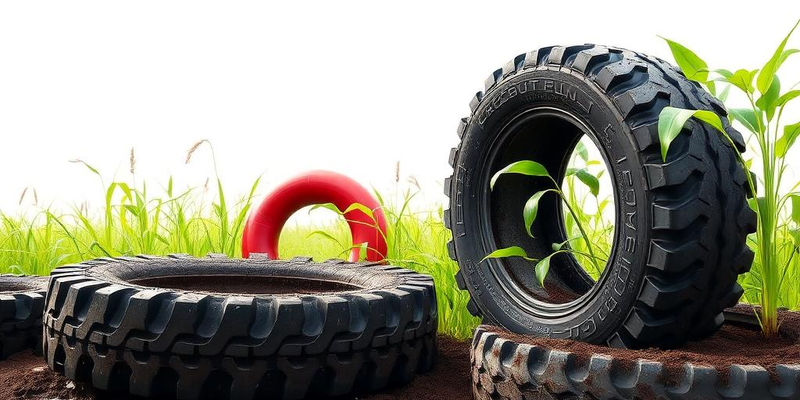
Researchers converted waste tyre biochar using hydrogen peroxide to create a material that removes 99% of phosphorus from wastewater.
Researchers have developed closed-form entropy measures for degree-based topological indices in hyper armchair carbon nanotubes.
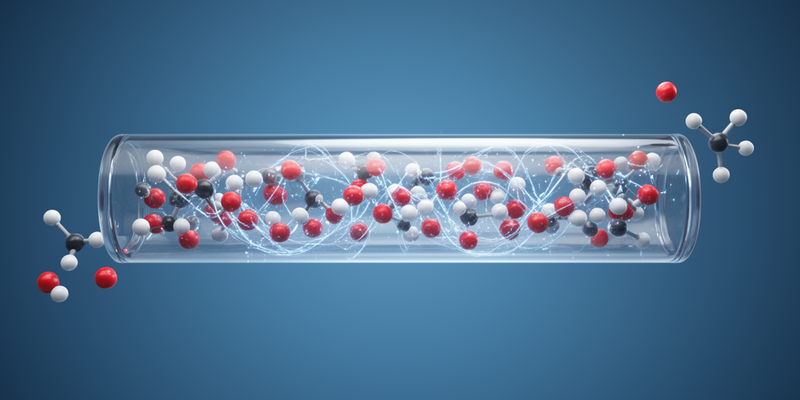
Researchers used nanoscale vibrational spectroscopy to observe water losing its hydrogen-bond network when confined inside carbon nanotubes.
Global Graphene Group seeks a Sales Engineer in Dayton, Ohio, to expand its graphene markets. Apply by December 31, 2026.
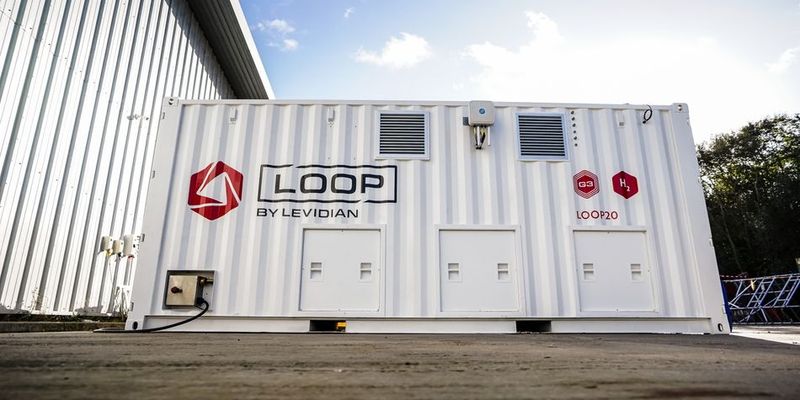
Dana Gas and Levidian have launched graphene production at Sharjah Graphene Park, with an annual capacity exceeding one tonne. The project began just four months after their initial agreement.
Researchers developed a nitrogen-enhanced graphene wrapper for platinum in fuel cells, increasing its lifespan.
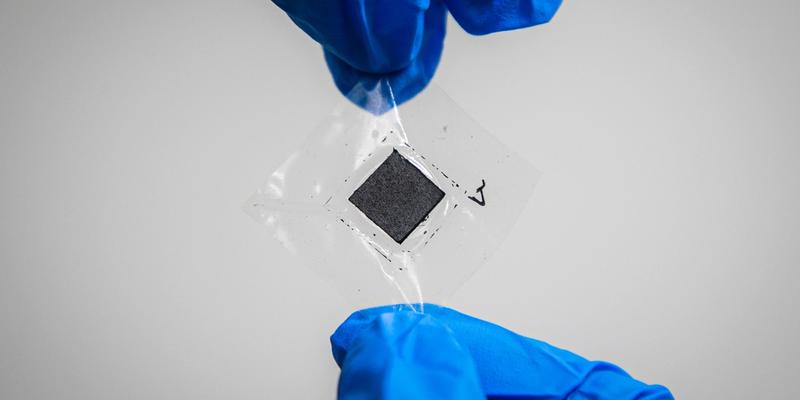
Researchers have developed spinel CuAl2O4 nanoparticles on graphitic carbon nitride using a low-cost hydrothermal method, achieving a performance of 235 for water splitting.

Researchers developed a floating polymer sponge with graphene quantum dots that converts sunlight into hydrogen at 7.16 millimoles per gram.
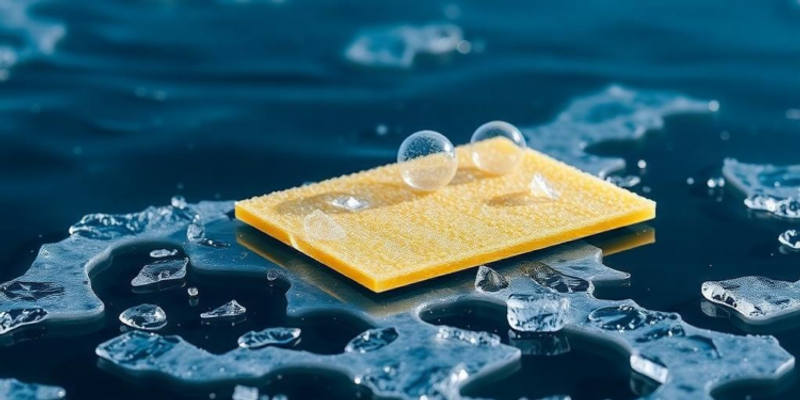
Researchers have enhanced composite bipolar plates for fuel cells using carbon nanotubes, surpassing stringent international performance standards.
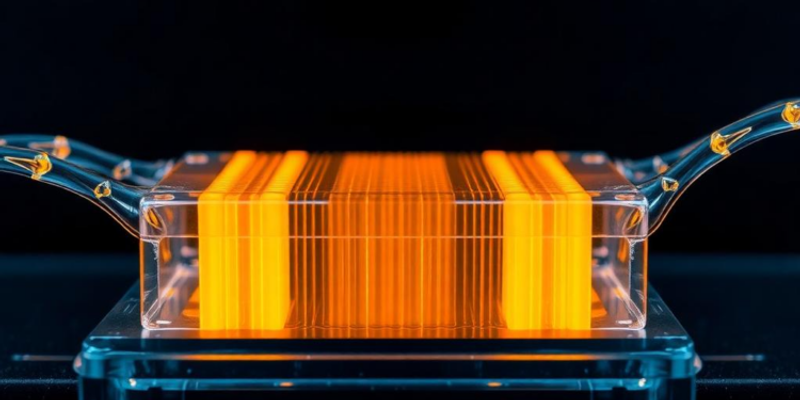
Researchers have developed a method using carbon dots on graphene to produce hydrogen peroxide without metals, offering a cost-effective and sustainable alternative.
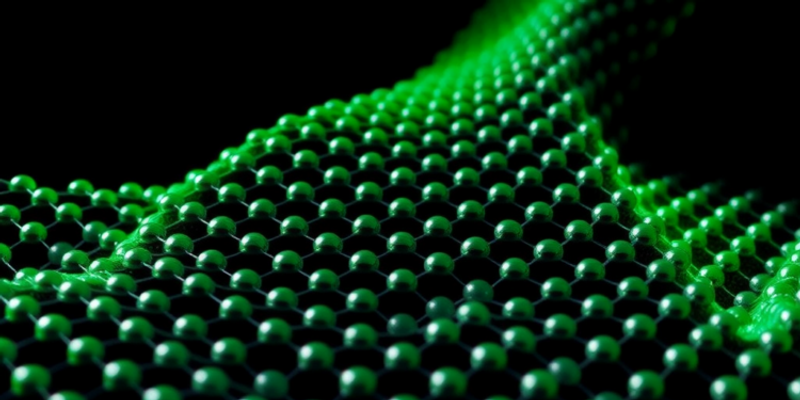
Researchers in Texas discovered their plasma reactor, initially aimed at hydrogen production, also creates graphene oxide from methane. This unexpected find offers a potentially cheaper production method.
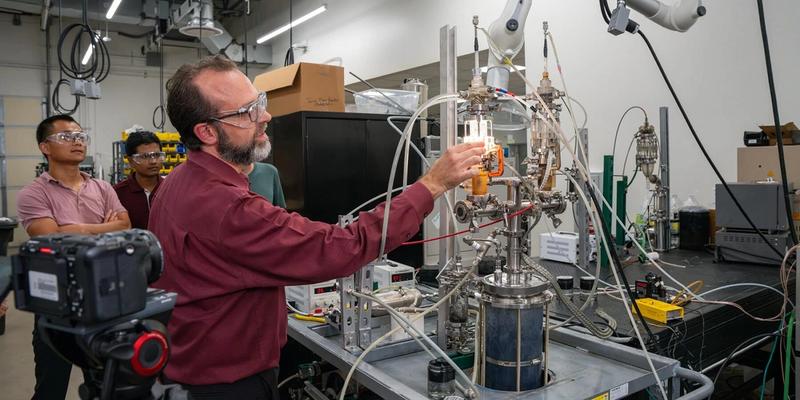
Washington University in St. Louis researchers developed a lignin-based carbon fiber that meets automotive standards, reducing production costs by 25% and using half the petroleum-derived precursor.
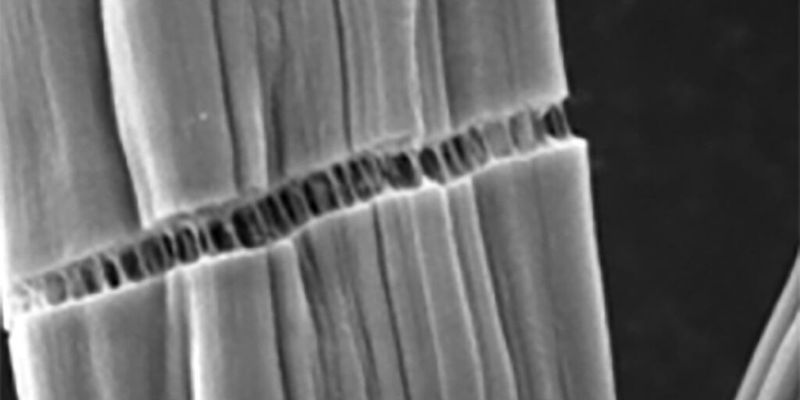
HydroGraph UK and CEAMS have developed graphene-enhanced nylon compounds for hydrogen tank liners, aiming to improve durability and reduce costs by addressing failure modes in Type IV tanks.
The Advanced Carbons Council calls for a U.S. carbon materials innovation platform focused on standards, testing and buyer qualification. The paper links engineered-carbon supply chains to manufacturing, energy, defense and AI infrastructure. Serves as a model for governments world-wide.
Graphene Manufacturing Group has started its second-generation graphene plant, aiming to produce 10 tonnes annually once optimised. Completion is expected by September 2026.
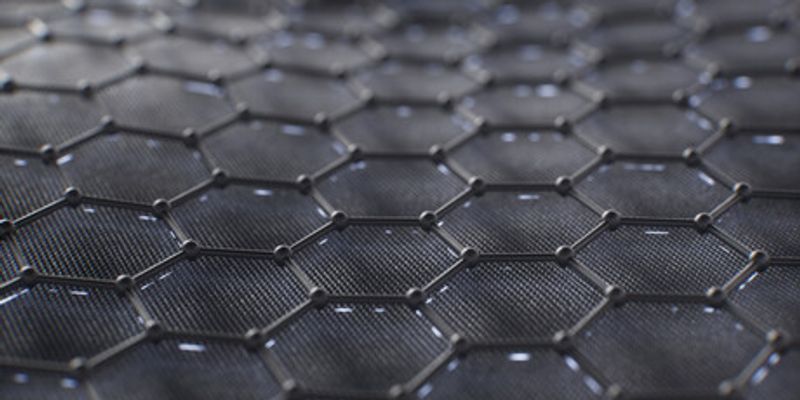
Researchers are exploring biochar-derived carbon nanomaterials to potentially reduce the cost of green hydrogen production.
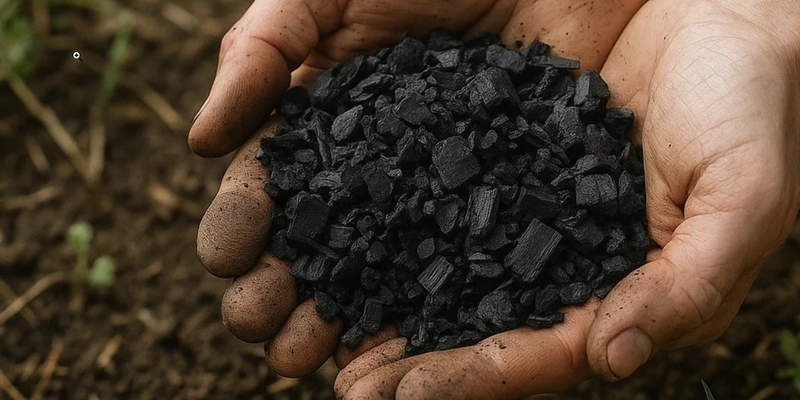
Researchers at Southeast University developed a carbon-layer-modified copper catalyst achieving over 99% selectivity for converting furfural to furfuryl alcohol at 160°C, enhancing biofuel precursor production efficiency.
Levidian has introduced NanoFlow™ A1-30, a 30 wt.% aqueous graphene dispersion with water-like viscosity, expanding its NanoFlow™ range for easy integration into water-based applications.

OroCarbo has reserved 12 Haffner systems for renewable hydrogen hubs planned in California, Oregon, and Washington State, utilizing residual biomass for clean energy production.
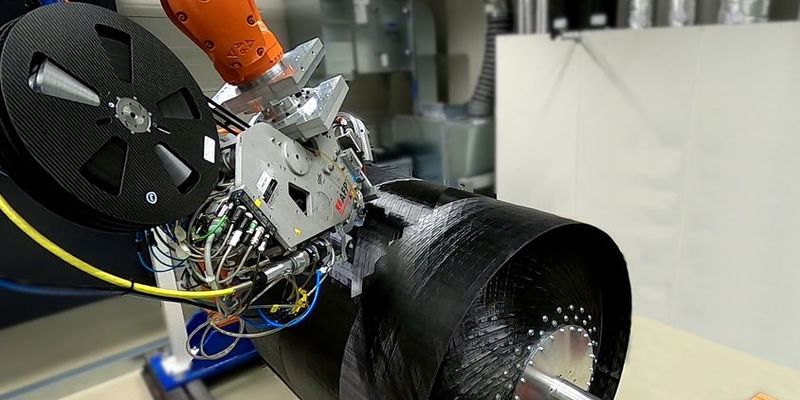
Researchers developed a 1-meter-diameter Type 5 cryogenic tank using carbon fiber/LMPAEK for hydrogen and methane storage under an ESA-funded project.
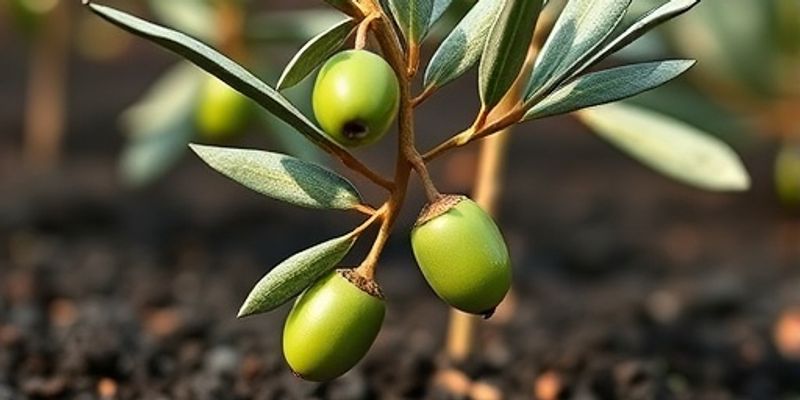
Researchers at the University of Castilla-La Mancha used zinc chloride to activate biochar from olive stones, creating a catalyst that achieved 20% CO2 conversion to methane.
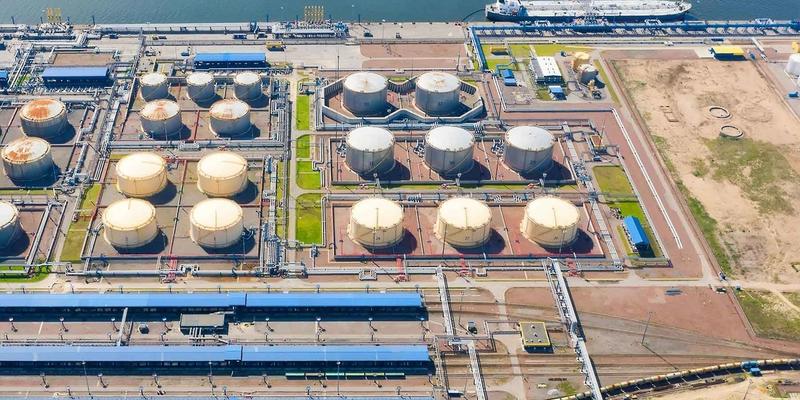
Char Technologies is launching its first commercial-scale pyrolysis plant in Thorold, Ontario, this month. The facility will produce biocarbon and renewable natural gas from woody biomass.
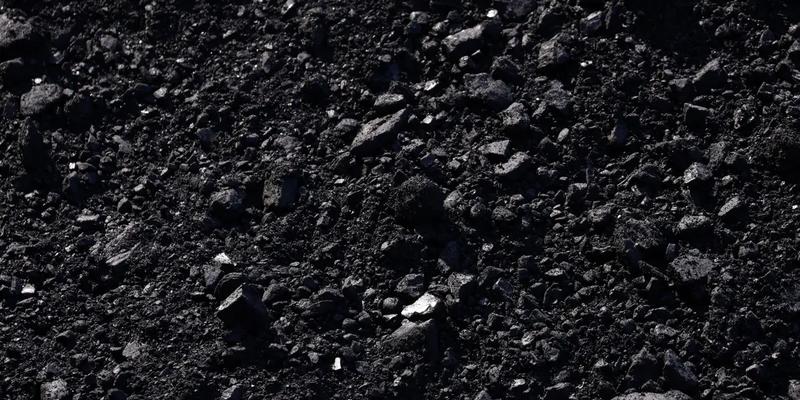
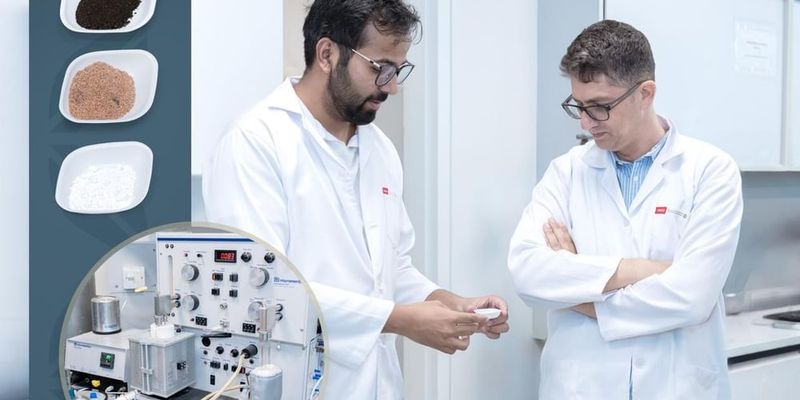
Researchers at United Arab Emirates University developed a catalyst for hydrogen production using desert sand, date-pit biochar, and nickel. The catalyst achieved a 38% methane conversion rate.
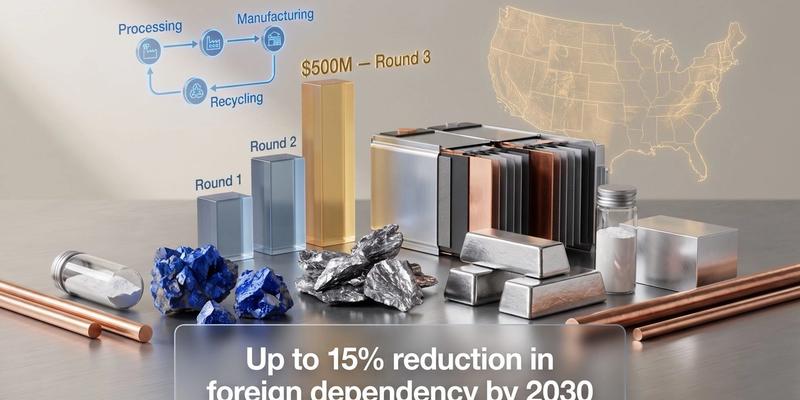
The U.S. Department of Energy has allocated $500 million to strengthen domestic processing and manufacturing of critical battery materials, aiming to reduce foreign supply chain reliance by 15% by 2030.
Levidian has launched NanoFlow-S1-20, a graphene additive containing 20 wt.% G3 graphene, designed for easy integration into solvent-based paints using standard mixing equipment.
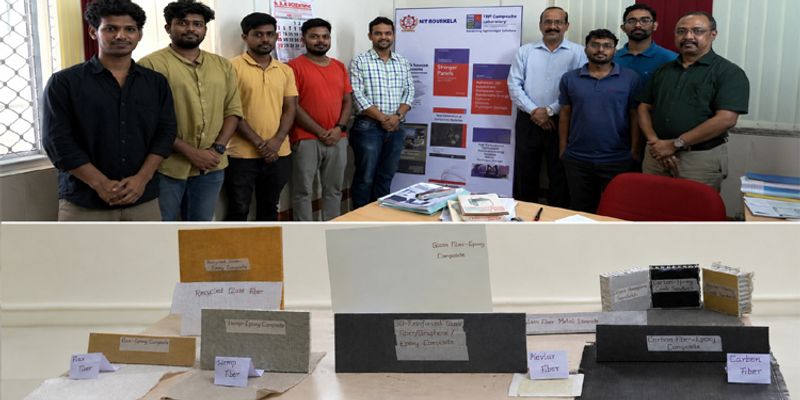
NIT Rourkela has patented a 3D-reinforced composite technology that boosts Fibre-Reinforced Polymer strength and durability, with potential applications in aerospace and automotive industries.
NEDO supports a feasibility study in Maibara, Japan, focusing on hydrogen and carbon nanotubes, with participation from six industrial partners.
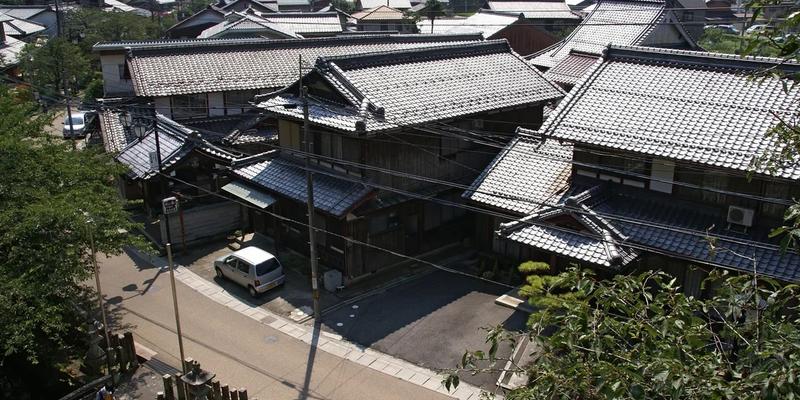
India's first 120-ton-per-annum carbon fibre demonstration plant is being established in Amravati.
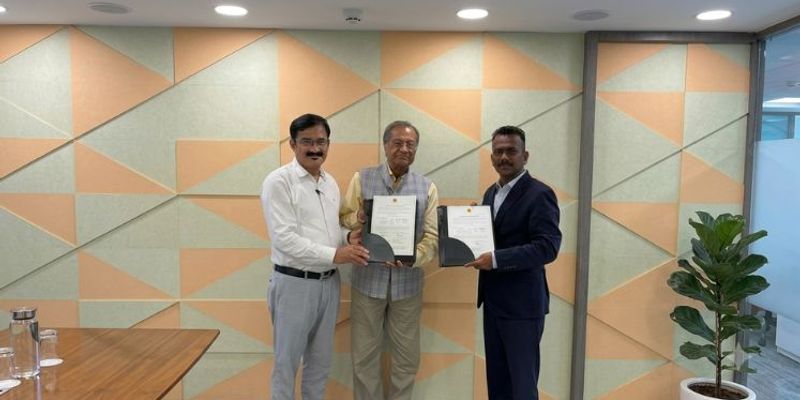
Graphene Manufacturing Group Ltd signed an exclusive MOU with Alstom to develop graphene products for rail HVAC systems.
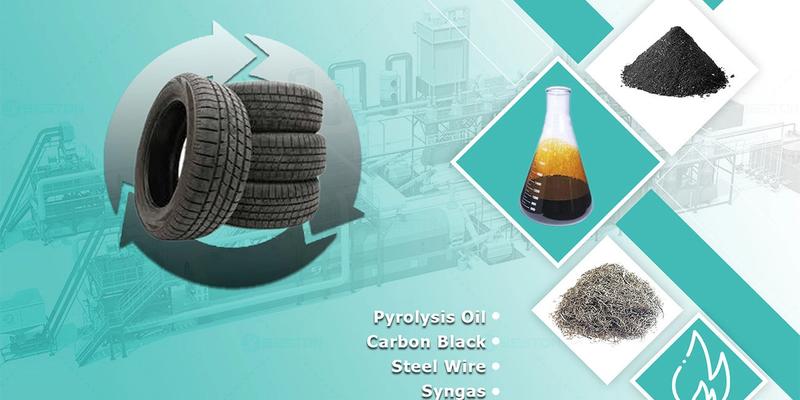
Operators can boost profits from tire pyrolysis by refining oil and carbon black into higher-value products. Upgraded materials meet industrial standards, attracting stable buyers and better margins.
Researchers at Texas A&M University have developed a process to convert methane into graphene oxide using a nonthermal plasma-water interface, potentially reducing production costs.
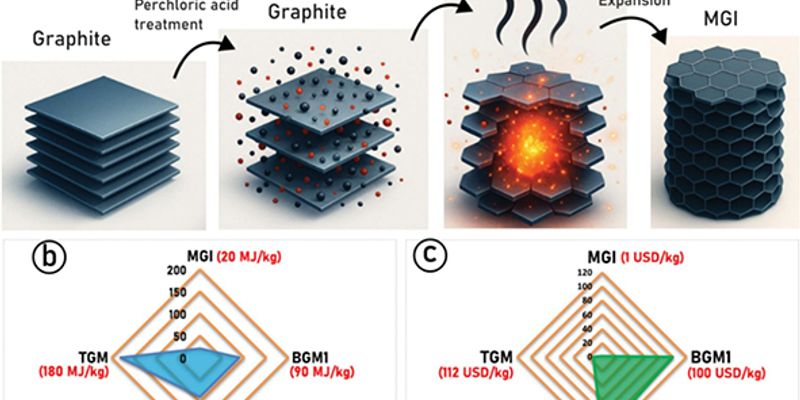
Researchers evaluated four graphene-based materials in carbon fibre/epoxy laminates for hydrogen storage tanks. The study focused on microwave-assisted graphene intermediate (MGI) composites.
The Government of Québec has announced its Plan de gestion intégrée des ressources énergétiques (PGIRE), committing $87 billion over 25 years to boost renewable energy, including forest bioenergy. This investment could significantly advance the production of renewable natural gas and biocarbon, both critical for decarbonizing industries reliant on carbon-based fuels.
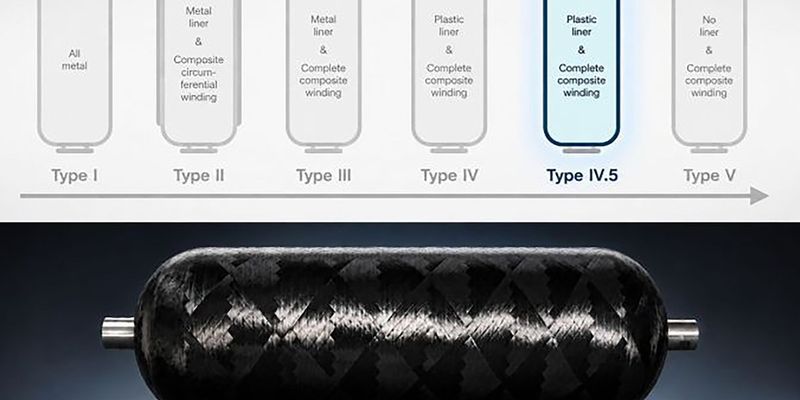
Avanco Composites has introduced a Type 4.5 pressure vessel that uses thermoplastic composites to match the polymer in the plastic liner with the matrix system in the overwrap. This fusion allows for enhanced storage solutions, particularly benefiting applications that require lightweight and efficient carbon fiber-reinforced structures.
Turquoise Group has achieved Verified Graphene Producer® status, confirming its capability to produce 30 tonnes of high-purity few-layer graphene annually at its Brisbane facility. This certification enhances the company's credibility in delivering high-quality graphene, a material crucial for applications in coatings, composites, and energy storage.

Researchers at Texas A&M University found a scalable route to graphene oxide while working on a hydrogen project, a discovery that could cut the cost of a material used in batteries and electronics.
Researchers at Texas A&M University have developed a new method to produce graphene oxide from methane using a plasma-based reactor, which simultaneously generates hydrogen as a byproduct. This scalable approach could reduce reliance on graphite for graphene oxide production, offering a cost-effective alternative for applications in batteries, electronics, and advanced manufacturing.
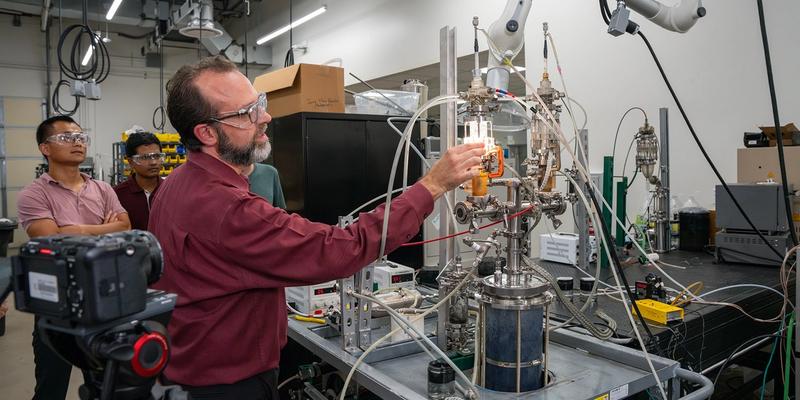
GTechPlasma, a spin-off from Instituto Superior Técnico in Lisbon, has developed a plasma-produced graphene powder that its researchers estimate could reduce an F-16's radar signature to that of a bird, and has already supplied 260 grams of the material to a Portuguese drone manufacturer. The development is notable for the graphene sector because it demonstrates a tunable, plasma-based production process capable of reaching 40 milligrams per minute, with industrialization underway through partner company Plasmaphene, targeting a market—radar-absorbent coatings—currently restricted to U.S. suppliers.
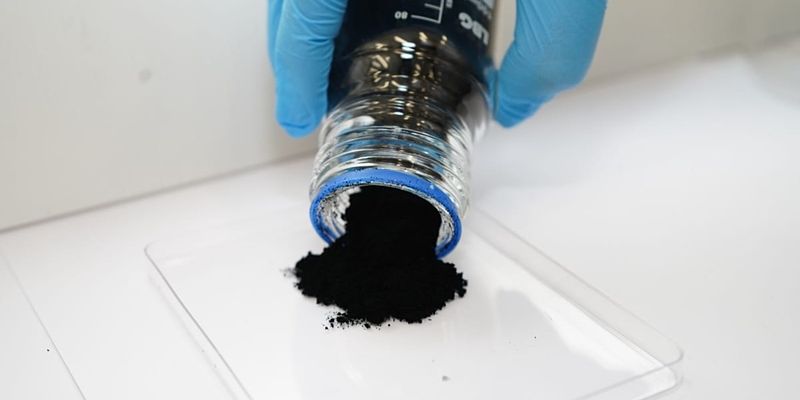
Researchers at the Universidade Federal de Viçosa tested biochar made from pequi seeds, a Brazilian Cerrado residue, as a support for palladium nanoparticles in catalytic hydrogen evolution.
Zhongfu Shenying commissioned three high-performance carbon fiber production lines in Lianyungang, Jiangsu on June 28, comprising a 1,000-ton/year T1100-grade aerospace line, a 5,000-ton/year 48K large-tow line, and a 600-ton/year M40 high-modulus line, as the first phase of a CNY6 billion project targeting 30,000 tons of annual capacity. The lines expand China's domestic supply of high-grade carbon fiber across aerospace, wind energy, hydrogen storage, and EV applications, reducing reliance on foreign sources for critical materials.
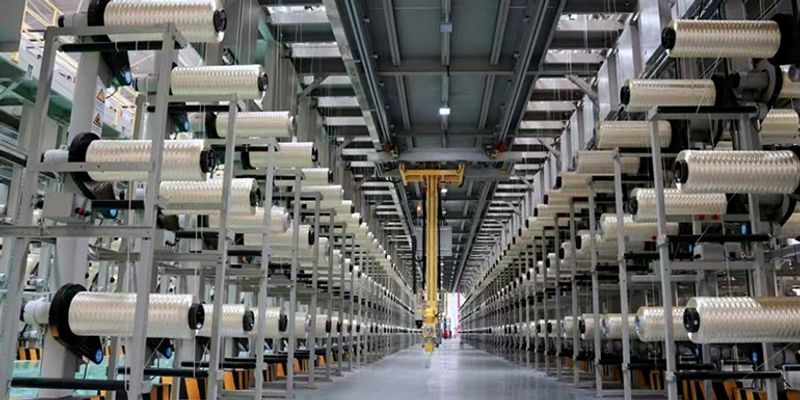
The MXeneCatSus COST Action is a European research network established to engineer MXene-based catalysts—two-dimensional materials made from Earth-abundant elements—for hydrogen generation, CO2 conversion, and nitrogen fixation. The initiative is relevant to advanced carbon materials research as MXenes share structural and functional characteristics with other 2D carbon materials and are being developed as alternatives or complements to graphene in catalytic applications.

Tsinghua University Press awarded the 13th annual Nano Research Award to UCLA professor Xiangfeng Duan, recognized for his work on 2D materials, van der Waals heterostructures, and porous graphene architectures, and to Akira Fujishima of the University of Shanghai for Science and Technology, recognized for discovering the Honda–Fujishima Effect and pioneering TiO₂ photocatalysis. Duan's advances in graphene-based energy storage and 2D material synthesis are directly relevant to the carbon materials sector, while Fujishima's photocatalytic coatings have established commercial applications in surface decontamination and industrial wastewater treatment.

Researchers from Cambridge, Harvard, Caltech, and the Max-Planck Institute for Polymer Research published findings in Science Advances showing that nanoconfined water's apparent chemical reactivity is driven by pressure and surface chemistry rather than confinement itself, with hydroxide ions bonding to hexagonal boron nitride walls but not to inert graphene. The work offers a design principle for tailoring water reactivity by selecting confining materials and controlling internal pressures, with direct relevance to graphene-based membranes, carbon electrodes in batteries and fuel cells, and the broader development of two-dimensional carbon and carbon-adjacent materials for electrochemical applications.

Researchers at the University of Córdoba's Plasma Innovation Laboratory developed two methods for depositing graphene onto metal surfaces using microwave plasmas at atmospheric pressure, but found that neither achieved sufficient adhesion between the graphene layer and the metal. The work advances graphene's potential as a corrosion-resistant coating for industrial applications such as fuel cell electrodes, while identifying adhesion as the key technical barrier to overcome.

Researchers at the University of Johannesburg fabricated a three-layer nanocomposite photocatalyst (Ti1.33N@BiVO4/GdIn2Se3) incorporating a custom-synthesized MXene, achieving 20× greater electrical conductivity and charge-carrier lifetimes up to 59.5 seconds compared to single-component baselines. The MXene engineering approach demonstrates a pathway for improving charge-carrier retention in 2D carbon-adjacent materials, with direct relevance to MXene-based composite development for energy and environmental applications.
Researchers from Cambridge, Harvard, Caltech, and the Max-Planck Institute for Polymer Research used machine-learning simulations to study water confined between graphene and hexagonal boron nitride sheets, finding that confinement alone does not alter water's reactivity but that pressure and surface chemistry of the confining material are the controlling factors. For the carbon materials sector, the study establishes that graphene's chemically inert surface does not enhance water dissociation, while reactive surfaces like hBN do, offering a design principle for selecting 2D carbon and non-carbon materials in membranes, fuel cells, and electrochemical systems.
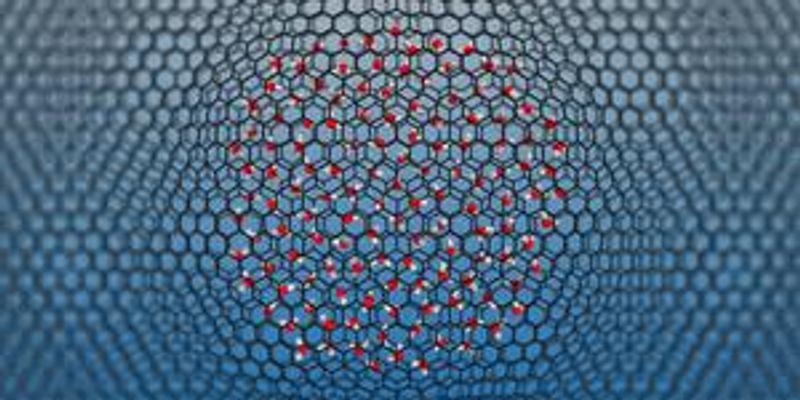
Researchers from Cambridge, Harvard, Caltech, and the Max Planck Institute for Polymer Research published findings in Science Advances showing that nanoconfined water's apparent chemical reactivity is driven by pressure and surface chemistry rather than confinement itself, using machine-learning simulations of water trapped between graphene and hexagonal boron nitride sheets. The work establishes that graphene's chemically inert surface leaves water reactivity unchanged, while reactive surfaces like hBN can actively enhance water dissociation—a design principle relevant to graphene and 2D carbon material applications in membranes, fuel cells, and electrochemical systems.
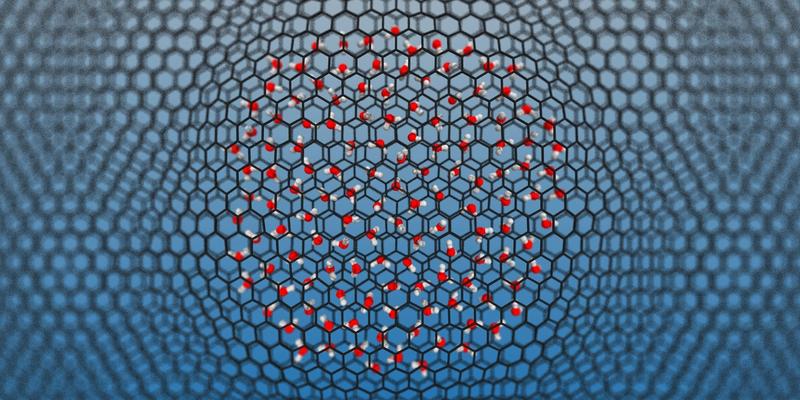
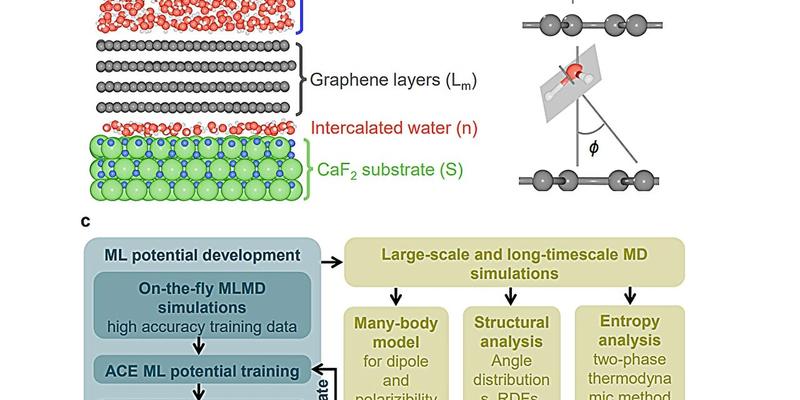
Researchers at the Institute for Basic Science and Korea University used machine-learning interatomic potentials to demonstrate that pristine graphene is intrinsically hydrophobic, with apparent hydrophilic behavior in prior experiments caused by water molecules intercalating beneath monolayer graphene and canceling spectroscopic signals. The findings clarify graphene's true interfacial properties, with direct implications for graphene-based desalination membranes, nanofluidic devices, and fuel cells where unintended water intercalation must be accounted for in design.
Calgary-based Carbonova closed a $25M Series B led by BDC Capital to build a 1,500-tonne-per-year graphene nanotube and hydrogen demonstration plant in Calgary, targeting commissioning in late 2027. The process targets a delivered graphene cost under $35/kg, which, if achieved at scale, could pressure pricing across the carbon nanotube and advanced composites supply chain.

Levidian and Zentek have signed an agreement to explore building a graphene-integrated manufacturing facility in the Middle East, combining Levidian's methane-derived graphene production with Zentek's graphene-enhanced air filters. The deal signals growing regional demand for graphene-enhanced products and positions the Middle East as an emerging hub for graphene manufacturing and deployment across multiple industries.
Levidian and Graphmatech announced a partnership to co-develop graphene-based polymer composites for hydrogen applications, including pipelines and pressure vessels where graphene reduces hydrogen gas leakage by up to 83%. The collaboration combines Levidian's graphene production with Graphmatech's dispersion technology, targeting a growing market for high-performance composites in the hydrogen sector.
Researchers at Yunnan Normal University and Kunming University of Science and Technology used biomass-derived graphene as a catalyst support to cut iridium loading in oxygen-evolution reaction catalysts for PEM electrolysis while maintaining performance.