SA river with high bacteria count being cleaned by natural filter
A natural filter using biochar, small stones, and coarse sand is effectively reducing bacteria levels in a polluted South African river.
Researchers at the University of Cape Town's Future Water Institute are utilizing biochar and other natural materials to filter polluted water in the Stiebeuel River, located in Franschhoek, South Africa. The Water Hub, an off-campus research facility, is transforming an old wastewater treatment plant into a living laboratory to demonstrate chemical-free water purification methods.
The project involves converting former sludge drying beds into filtration systems filled with small stones, biochar, and coarse sand. Polluted water from the river seeps through these natural filters, removing bacteria and nutrients. After approximately five days, the water is clean enough for irrigation purposes.
The research indicates that this method effectively eliminates E. coli bacteria and reduces ammonia and phosphorus levels by 85% to 95%. These pollutants are trapped in the filter beds, where microbes and plants help break them down, further purifying the water before it is returned to the river or used for irrigation.
While nature-based systems cannot replace traditional wastewater treatment facilities, they offer a viable alternative for municipalities facing high electricity costs and infrastructure challenges. These systems provide a local source of treated water, which is crucial in areas affected by drought and climate change.
The Stiebeuel River suffers from severe pollution, with E. coli levels exceeding 400,000 colony-forming units per 100ml, far above South Africa's water quality guidelines. The river also contains ammonia and phosphorus from household cleaning agents, which contribute to algal blooms and oxygen depletion in water bodies.
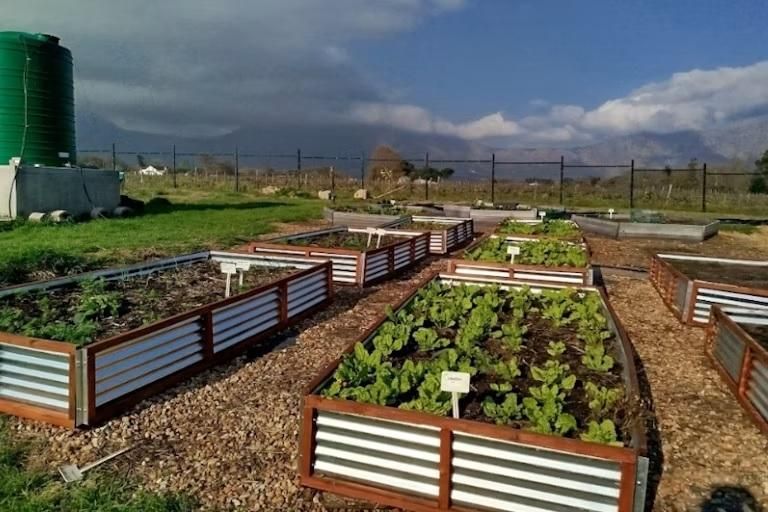
The Water Hub's biofiltration system treats approximately 50,000 liters of contaminated water daily, with 3,000 liters used for irrigating vegetable gardens managed by local women. This initiative supports skills development and small-scale enterprise, while the remaining treated water is returned to the river, aiding in ecosystem restoration.
Decentralized water treatment, as demonstrated by the Water Hub, offers an affordable and sustainable solution for improving water quality in communities with failing municipal services. These systems require minimal maintenance and technical skills, but regular monitoring and adjustments are necessary to ensure optimal performance.
The research highlights the potential of integrating science, engineering, and community involvement to create valuable resources from wastewater. This approach not only enhances water security but also supports livelihoods and food production, redefining wastewater as a resource rather than waste.
Source: Biochar Feed