Study finds graphene nanoribbons survive extreme radiation
Researchers, including MSE assistant professor Zafer Mutlu, are using graphene nanoribbons to create sensors capable of tracking extreme radiation levels.
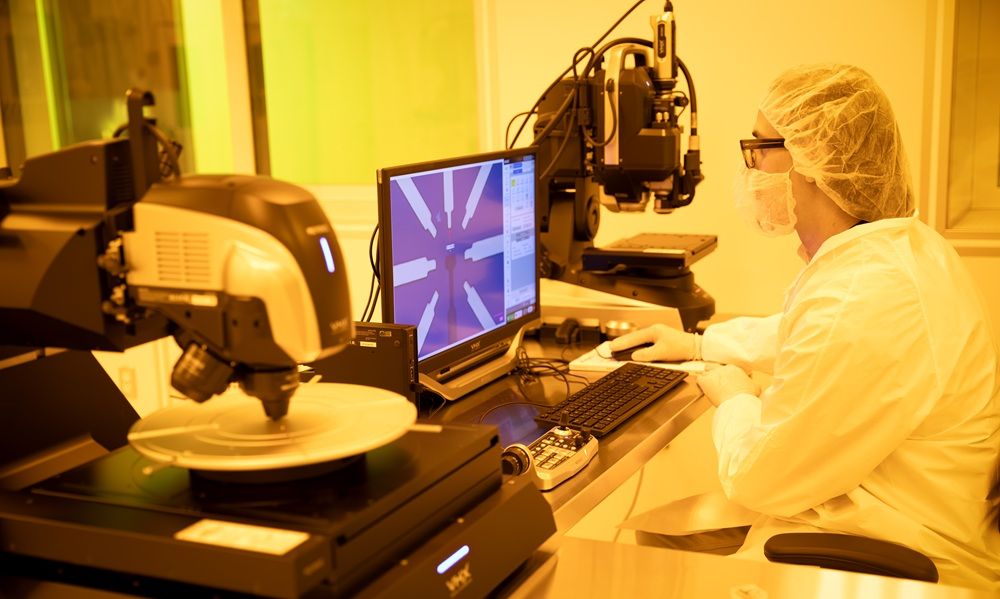
Researchers have demonstrated that graphene nanoribbons (GNRs) can withstand extreme radiation, making them promising candidates for use in radiation sensors within fusion reactors and space technology. The study, led by MSE assistant professor Zafer Mutlu, involved integrating GNRs into semiconductor devices and exposing them to high levels of radiation. Despite the exposure, the atomic structure of the ribbons remained intact, and they continued to produce measurable electrical responses.
Mutlu, the principal investigator of the study published in ACS Applied Materials and Interfaces, noted that while the devices' electrical performance changes significantly after radiation exposure, this is the desired behavior for a sensor. These findings suggest that GNR-enhanced sensors could be crucial for monitoring conditions inside fusion reactors, where radiation levels are particularly high.
Fusion power, which generates electricity by merging light nuclei into a heavier nucleus, offers a potential source of clean energy. GNR sensors, being more resilient than traditional silicon-based sensors, could operate closer to the reactor core, minimizing shutdowns for maintenance and extending operational periods.
The research team included postdoctoral researcher Kentaro Yumigeta and doctoral student Muhammed Yusufoglu from the Department of Materials Science and Engineering. MSE professor Barrett G. Potter and University Distinguished Outreach Professor Kelly Simmons-Potter of electrical and computer engineering co-led the gamma irradiation experiments. Mutlu emphasized the goal of achieving real-time monitoring capabilities with this project.
Source: Graphene Feed