US study evaluates occupational health risks of graphene nanomaterials
US NIOSH researchers measured occupational exposures to graphene family nanomaterials (GFN) across 11 manufacturing facilities, finding that 38% of respirable samples and 53% of inhalable samples exceeded the suggested occupational exposure band of <10 µg/m³. The findings indicate that graphene producers and downstream processors face uncontrolled worker exposure risks, with primary manufacturers showing higher inhalable concentrations due to handling dry powdered materials.
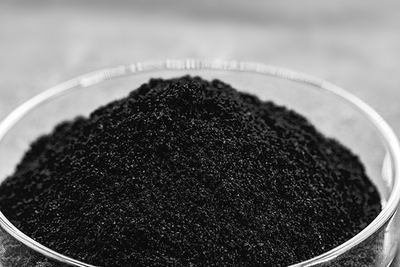
A recent study published in the Journal of Occupational and Environmental Hygiene examines the occupational health risks associated with graphene nanomaterials. Conducted by scientists including those from the US National Institute for Occupational Safety and Health, the research evaluates exposure levels to graphene family nanomaterials (GFN) in 11 manufacturing facilities. Results indicate that exposure to these 2D carbon-based materials can exceed recommended occupational exposure bands (OEB) in certain settings.
The study involved collecting personal air samples to analyze elemental carbon in both respirable and inhalable aerosol size fractions. This analysis aimed to assess exposure levels and potential health risks for the 44 workers involved in the study. Findings revealed that primary manufacturing facilities, which handle larger quantities of dry powdered materials, generally had higher inhalable exposure levels compared to secondary facilities.
The paper notes that the use of engineering controls and personal protective equipment varied significantly across the facilities, influencing exposure levels. Among the respirable samples, 38% exceeded the suggested OEB of less than 10 µg/m³, while 53% of inhalable samples surpassed this threshold. Exposure concentrations for respirable samples ranged from less than 0.01 to 1825.23 µg/m³, with a geometric mean of 2.01 µg/m³. Inhalable concentrations ranged from 0.01 to 6327.10 µg/m³, with a geometric mean of 12.63 µg/m³.
Source: Graphene Feed