$30 million biochar facility proposed in central Queensland with Rio Tinto as major buyer
An Australian company plans a $30 million biochar facility in central Queensland, with Rio Tinto committing to purchase the biochar to potentially reduce coal use in its operations.
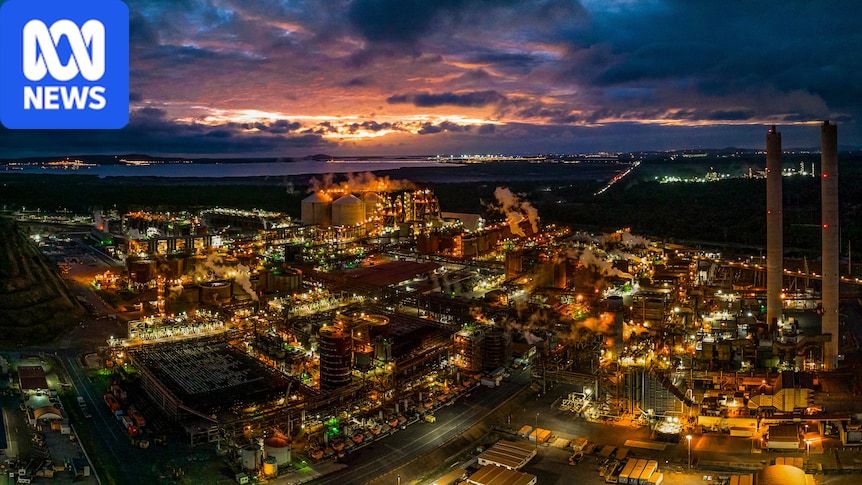
SuperChar Limited has submitted a development application for a $30 million biochar facility in central Queensland. The facility aims to produce bio pellets from bana grass, which Rio Tinto Limited plans to use as a partial substitute for coal in its Gladstone refineries. This initiative is part of Rio Tinto's strategy to reduce fossil fuel use in alumina refining.
The proposed biochar facility, pending local government approval, has secured a five-year agreement with Rio Tinto. Under this agreement, SuperChar will supply 35,000 tonnes of bio pellets annually starting in 2028. These pellets have already been trialed at Rio Tinto's Gladstone refineries, demonstrating that up to 30% of the coal used in boilers can be replaced with bio pellets.
SuperChar intends to produce the bio pellets in Boynedale, approximately 50 kilometers from Gladstone. The production process involves heating bana grass at high temperatures with limited oxygen, known as pyrolysis, to create biochar. This method is environmentally friendly, producing no chemicals or waste products.
In addition to bio pellets, the facility will produce 25,000 tonnes of charcoal briquettes annually, which can be used for cooking. The bana grass, a fast-growing semi-tropical plant, also has potential as an animal feed due to its high protein content, with international use in Central Africa and Central America.
SuperChar's first production facility will also create employment opportunities, with initial processing and farming activities expected to employ about 25 people. The company has bana grass plantations in Ingham and Mossman in Far North Queensland.
Local farmer Paul Whiteman is collaborating with SuperChar, having planted 12 hectares of bana grass as a trial crop. He anticipates that the project will enhance local employment and attract young families to the area, addressing declining school enrollments. The trial crop is showing promising growth as soil temperatures rise.
Source: Biochar Feed