Bamboo-based composite material blocks electromagnetic radiation
Researchers used flash joule heating to modify bamboo-based biochar, creating a composite material that blocks electromagnetic radiation.
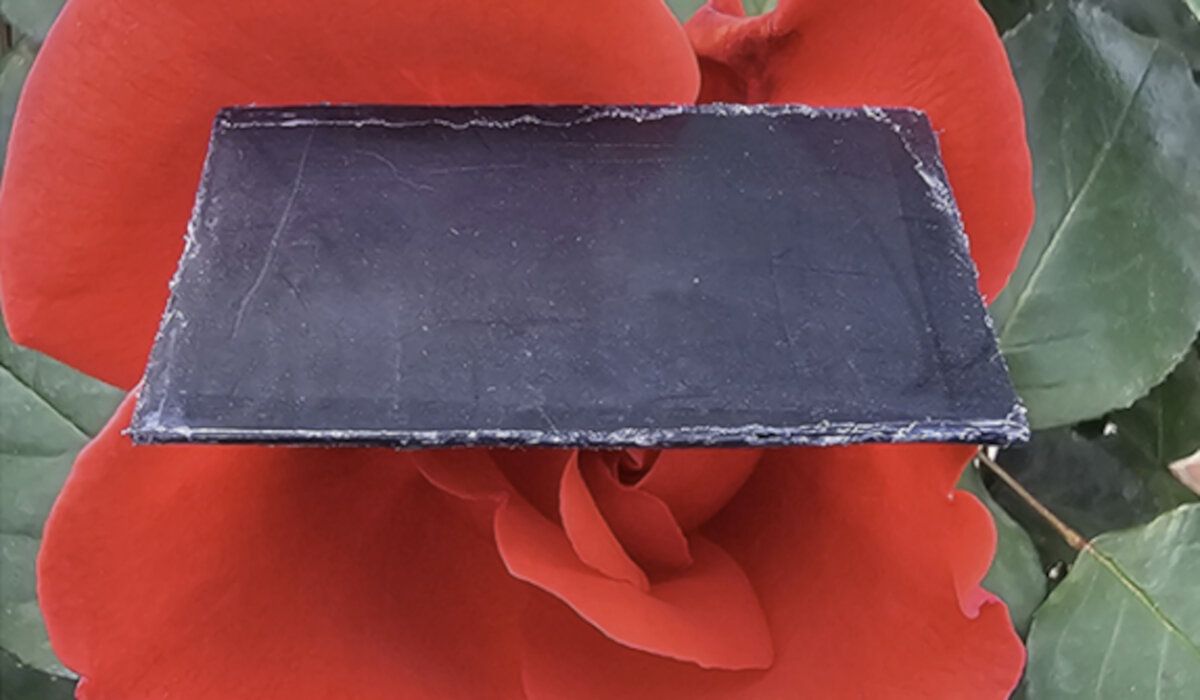
Researchers at Anhui Agricultural University in China have developed a bamboo-reinforced composite material that demonstrates both strength and the ability to absorb electromagnetic radiation. This innovative material is produced using pyrolysis, a process where organic compounds are thermally decomposed in the absence of oxygen. The study detailing this process, titled "Sustainable carbon-based composites with integrated toughening and electromagnetic interference shielding performance enabled by Flash-Joule-heating," was published in Sustainable Carbon Materials.
The team heated bamboo powder under a nitrogen atmosphere to create biochar, which was then subjected to flash joule heating. This method, also known as ohmic or resistive heating, modifies the carbon structure with a brief electrical energy pulse. The treated carbon particles were further processed with 3-aminopropyltriethoxysilane (APTES) to enhance adhesion to plastic surfaces. The modified biochar was then embedded between layers of biodegradable plastic made from polylactide (PLA) and polybutylene adipate-co-terephthalate (PBAT).
Compared to a conventional plastic variant, the new composite material exhibited an 81% increase in strength and a 173% increase in toughness, reaching 2.68 megajoules per cubic centimeter. The material also demonstrated a 24.7% greater stretchability before breaking and an electrical conductivity of 12.8 Siemens.
The composite material's ability to shield electromagnetic waves was also evaluated. It was found to shield an average of 36.7 dB in the 8.2 to 12.4 GHz frequency range, primarily through absorption (30.8 dB) and reflection (5.9 dB). This shielding effect is attributed to the extended paths that electromagnetic waves must travel through the carbon network and layered structures of the composite. Such materials could potentially be used to shield electronic devices from electromagnetic interference.
Source: Biochar Feed