7 articles on EMI Shielding.
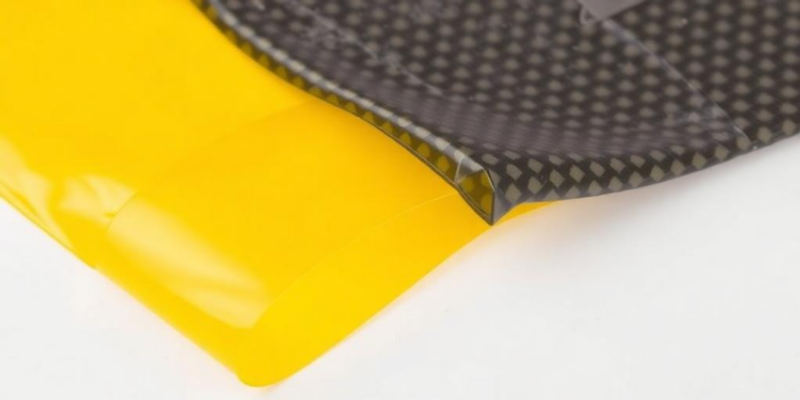
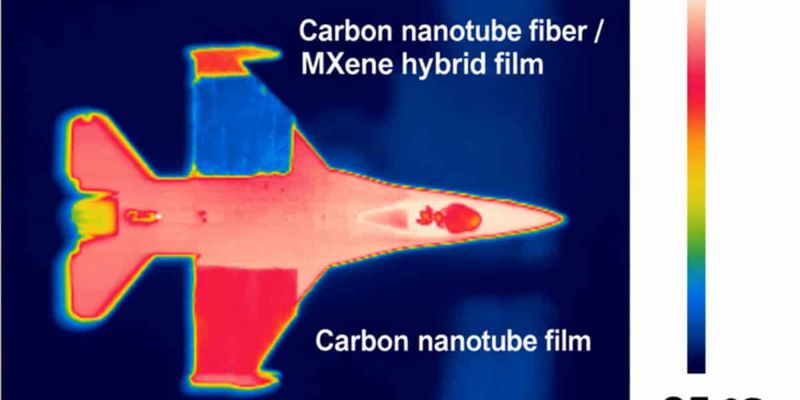
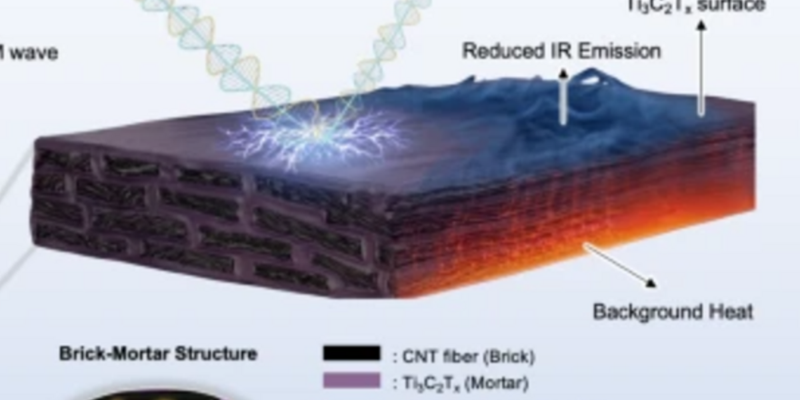
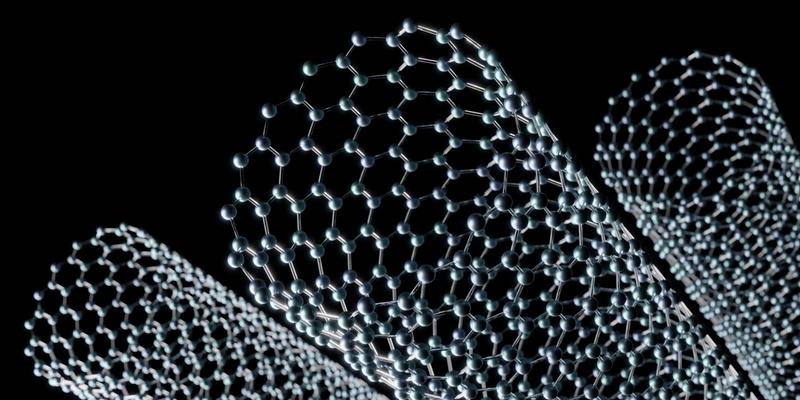
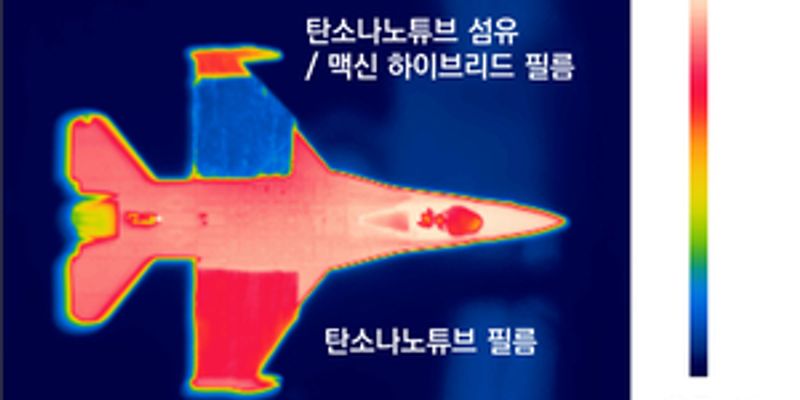
South Korean researchers have built a carbon nanotube film thinner than a human hair that blocks more than 99.9999999% of electromagnetic waves and evades thermal imaging, with fighter jets and drones the intended use.

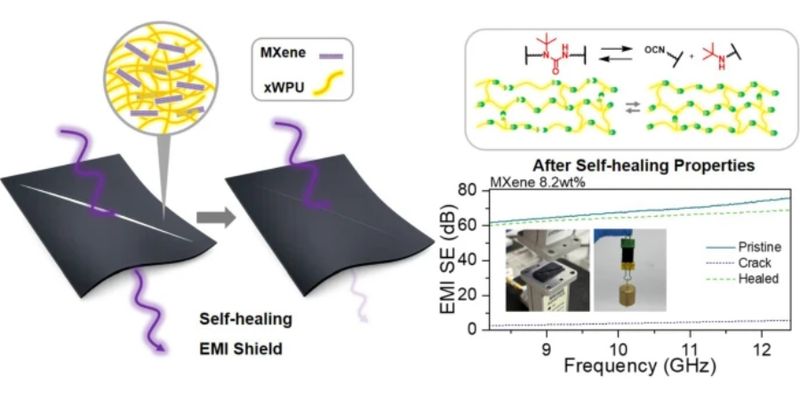
Researchers in South Korea have created a self-healing waterborne polyurethane coating that shields electronics from electromagnetic interference. The coating repairs damage with heat or near-infrared light.

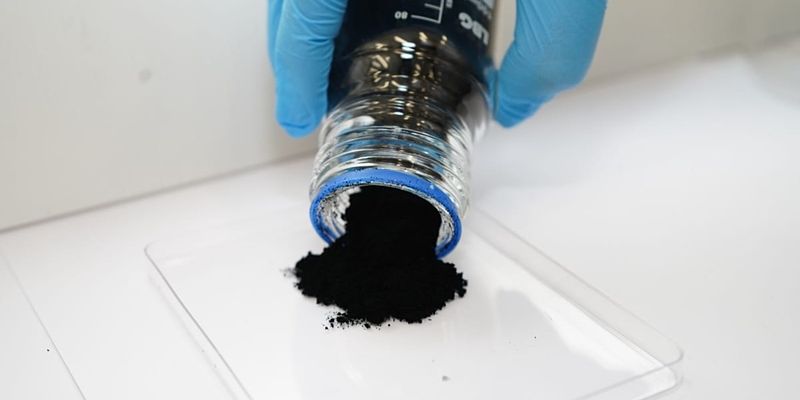
GTechPlasma, a spin-off from Instituto Superior Técnico in Lisbon, has developed a plasma-produced graphene powder that its researchers estimate could reduce an F-16's radar signature to that of a bird, and has already supplied 260 grams of the material to a Portuguese drone manufacturer. The development is notable for the graphene sector because it demonstrates a tunable, plasma-based production process capable of reaching 40 milligrams per minute, with industrialization underway through partner company Plasmaphene, targeting a market—radar-absorbent coatings—currently restricted to U.S. suppliers.

Sparc Technologies launched SparcES™, a graphene additive range for ESD and conductive coatings targeting data centres, semiconductor facilities and EV battery plants, following 24 months of internal conductivity testing. The range positions graphene as a potential lower-dosage alternative to carbon black, graphite, carbon nanotubes and metal nanowires in a global ESD and conductive coatings market estimated at US$1.2 billion in 2026.

Researchers applied the Small Perturbation Method to analytically and numerically model how Gaussian surface roughness affects bistatic scattering coefficients, transmission coefficients, and shielding effectiveness for copper and graphene slabs across radio-frequency to near-infrared ranges. The findings provide design guidelines for tuning graphene-based shielding and optical devices by adjusting chemical potential, temperature, and layer count alongside surface roughness parameters.
Professor Roman Gorbachev at the University of Manchester received a £1.9 million EPSRC Open Fellowship to lead a five-year project scaling van der Waals 2D material heterostructures from micrometre samples to wafer-scale fabrication using a new ultra-high vacuum platform. The work directly advances graphene and 2D materials manufacturing by targeting industrial-process compatibility and establishing a UK fabrication hub accessible to academic and industry users.

HydroGraph added Hubron International, a Manchester-based masterbatch and conductive polymer compounder with over 90 years of experience, to its Fractal Graphene Compounding Partner Program on February 10, 2026. The partnership gives HydroGraph access to Hubron's global distributor network and established carbon nanomaterial processing capabilities, supporting broader commercial adoption of graphene in thermoplastic applications across automotive, electronics, and other sectors.