Barcelona tests olive-pit asphalt that stores CO2 for decades
Barcelona City Hall, in collaboration with the BIT Habitat foundation and BIMSA, is trialling asphalt mixed with biochar from olive pits and pine biomass, starting in September with monitoring through 2027. This initiative aims to reduce CO2 emissions by up to 76% and store carbon in the road itself, potentially transforming road infrastructure into a long-term carbon sink using biochar.
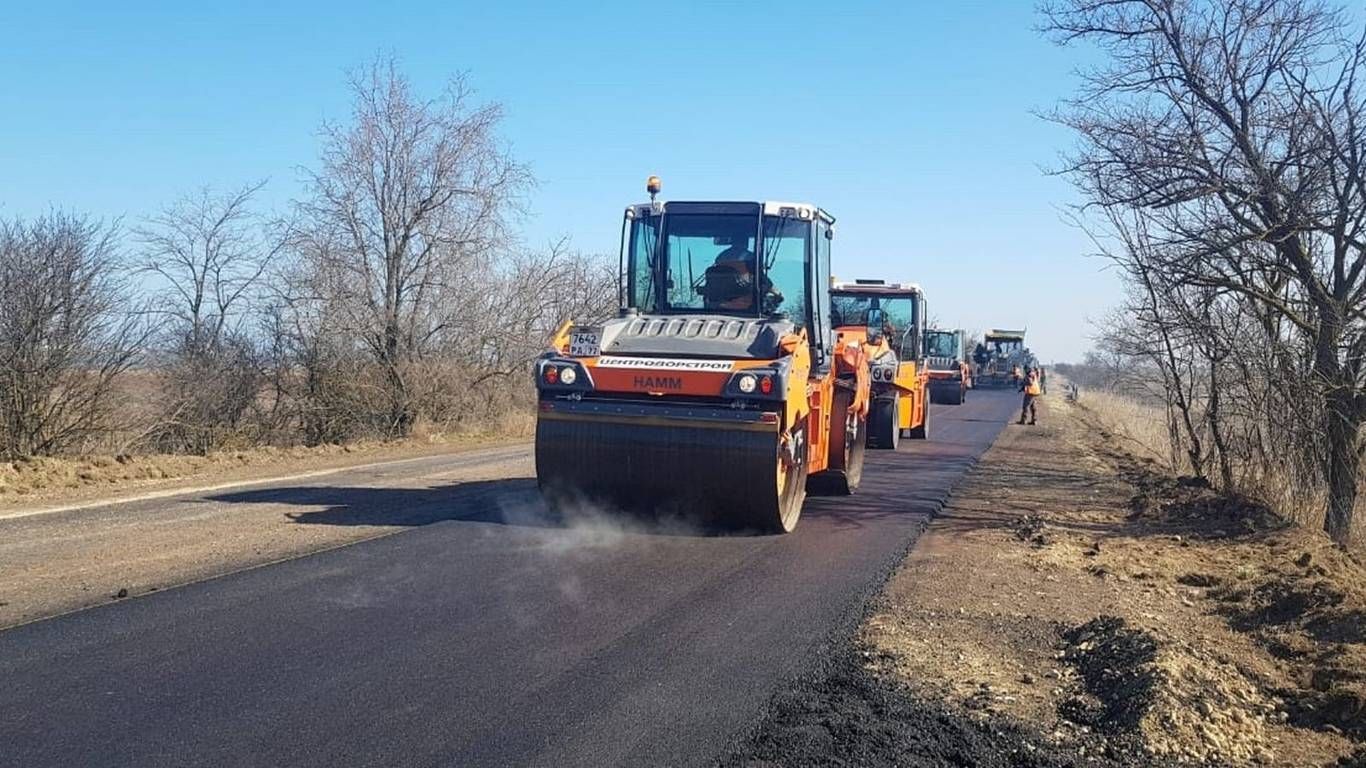
Barcelona is conducting trials on asphalt incorporating biochar derived from olive pits and pine biomass. This innovative material could reduce CO2 emissions during production by up to 76% and enable carbon storage within the road infrastructure. Real-world testing commenced in September, with monitoring planned through 2027.
The initiative is part of the '21st Century Street' program, led by Barcelona City Hall, the BIT Habitat foundation, and BIMSA. The core material, biochar, is produced through pyrolysis, a process that heats olive residue without oxygen, preventing carbon from quickly re-entering the atmosphere.
Traditional asphalt combines bitumen with sand, gravel, crushed stone, and fine filler. In this new formulation, a portion of the filler is replaced with biochar. The concept leverages the natural CO2 absorption of olive trees, locking carbon within the asphalt for decades.
Preliminary lab tests, conducted with the Universitat Politècnica de Catalunya and project partners, indicate that biochar asphalt performs comparably to conventional paving. It may offer advantages such as increased moisture resistance, reduced cracking risk, and enhanced stability under extreme temperatures, which is crucial for cities experiencing frequent heat waves.
The real test will occur on the streets, where the material will face traffic, weather, and utility work. Barcelona will monitor the asphalt's performance continuously until 2027, assessing its durability and response to environmental conditions.
Before broader implementation, the project team must determine the optimal biochar proportion, ensure compatibility with existing paving equipment, and evaluate maintenance costs. While not yet a substitute for traditional asphalt, this experiment holds promise for integrating agricultural by-products into sustainable road construction.
Source: Biochar Feed