Biochar production offers practical wildfire prevention solution
Converting accumulated forest biomass into biochar is being put forward as a wildfire prevention measure, tackling the untreated combustible material that satellite monitoring shows is driving record burn areas.
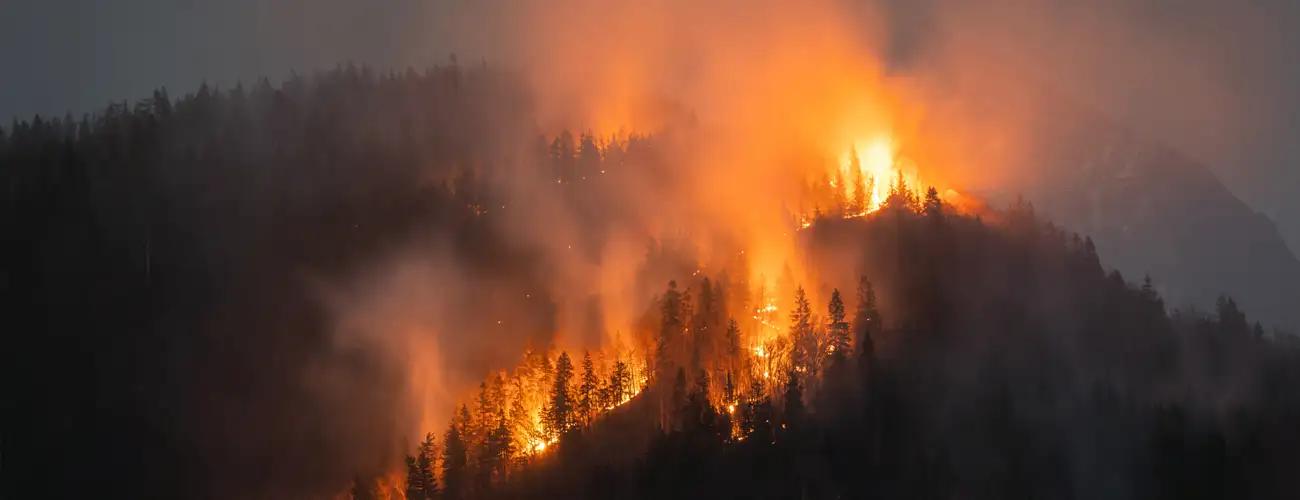
Biochar production presents a viable method for converting forest biomass into carbon-storing products through pyrolysis, addressing the challenges of biomass accumulation in forests. This process not only aids in wildfire prevention but also generates carbon credits and improves soil quality. As global wildfire-affected areas reach new records, managing forest biomass becomes increasingly critical.
Wildfires are influenced by two main factors: ignition sources and the accumulation of combustible biomass. Climate conditions such as drought and extreme heat exacerbate these factors. The severity of wildfires is more dependent on biomass accumulation than ignition sources, making effective biomass management essential.
Traditional methods like thinning and prescribed burning face challenges. Thinning produces low-value biomass that is costly to transport and dispose of, leading to residues being left in forests. Prescribed burning is limited by weather conditions and requires extensive environmental reviews, further complicating timely implementation.
Biochar production offers an alternative by transforming biomass into biochar, locking carbon in a stable form. This conversion turns biomass management from a cost into a revenue-generating activity, as biochar can be used for soil improvement or sold for carbon credits. Unlike prescribed burning, biochar production is not weather-dependent and can operate continuously.
The U.S. Forest Service and other agencies support biochar as part of long-term wildfire mitigation strategies. Biochar systems can be fixed or mobile, catering to different forest conditions and operational needs. Fixed systems are suitable for stable biomass supplies, while mobile systems offer flexibility for remote areas. This adaptability makes biochar a valuable tool in forest management.
Integrating biochar production into routine forest management transforms biomass removal into a sustainable practice. Processed biomass can enhance forest soils or enter the carbon market, promoting long-term forest health. With mature technology and diverse equipment solutions, biochar production is poised to play a significant role in wildfire prevention and forest management.
Source: Biochar Feed