Charcoal manufacturing plant to be set up in India
A new biochar manufacturing plant is being established in India, utilizing abundant local resources like coconut shells and agricultural residues.
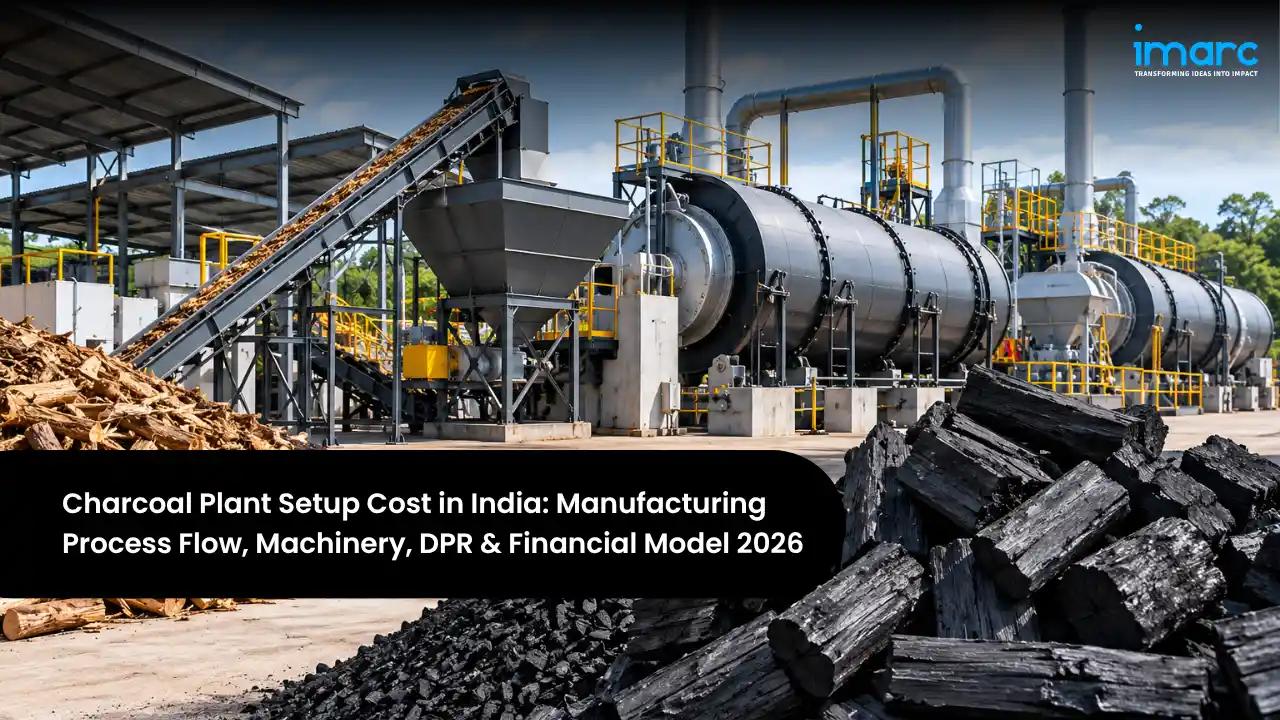
Charcoal, a longstanding carbon material, is witnessing expanding demand across various sectors. Traditionally used as a cooking fuel, charcoal now finds applications as barbecue and shisha briquettes, a feedstock for activated carbon in purification processes, a renewable reductant in metallurgy, and as biochar for soil enhancement and carbon sequestration. India, with its abundant coconut shells, agricultural residues, sawdust, and plantation wood waste, presents a promising opportunity for charcoal manufacturing using modern, cleaner technologies. This potential is contingent on legal and sustainable sourcing of feedstock and effective emission control.
Investment in a charcoal manufacturing plant in India is influenced by factors such as feedstock type, carbonization technology, product range, and operational scale. While traditional kilns are cost-effective but inefficient, modern retorts and continuous systems offer improved yield and reduced emissions by recovering gases during pyrolysis. The cost of setting up a charcoal plant ranges from INR 1–3 crore for a small unit to INR 30–40 crore for a larger integrated facility. Biomass feedstock constitutes the largest operating cost, followed by energy, making feedstock sourcing, carbonization yield, and product mix critical to profitability. A well-managed plant can achieve a gross margin of 30 to 40% and a net profit margin of 15 to 20%, with a typical payback period of 2 to 4 years.
This guide aims to assist investors in understanding the setup of a charcoal manufacturing plant in India, covering product types, market demand, production processes, machinery, raw materials, location, infrastructure, cost analysis, necessary approvals, and the development of a Detailed Project Report (DPR) and financial model.
India's domestic market for charcoal remains significant, with traditional cooking and hospitality uses alongside growing segments like coconut shell charcoal, export briquettes, and activated carbon feedstock. Southern India's coconut belt is a key area for coconut shell charcoal production, while eastern and central regions focus on wood-based charcoal. Investment options range from small units supplying activated carbon producers to larger plants producing graded charcoal and briquettes for domestic and export markets.
Charcoal production involves carbonization, or slow pyrolysis, where biomass is heated to 400–600°C with minimal oxygen, removing moisture and volatile compounds to leave a carbon-rich solid. Modern plants utilize released gases for process heat and recover liquids like wood vinegar and tar. The charcoal is cooled, crushed, and screened, then sold or processed into briquettes. Key factors affecting yield and quality include feedstock moisture, temperature control, and residence time.
Commercially, charcoal serves diverse markets, including activated carbon manufacturers, hospitality sectors, export markets for barbecue and shisha briquettes, metallurgical users, and agricultural customers seeking biochar. Product choice impacts feedstock, equipment, quality specifications, and customer base.
The strongest opportunities lie in producing higher-value products like activated carbon-grade coconut shell charcoal, export briquettes, and biochar, using clean, efficient plants with sustainable feedstock. Buyers increasingly prioritize feedstock legality and environmental performance, favoring organized producers over informal kilns.
Understanding the production process is crucial for planning equipment, emission controls, and optimizing yield and cost. Charcoal production involves feedstock preparation, drying, carbonization, gas recovery, cooling, and screening, with optional briquetting for value-added products. Profitability hinges on yield and quality, as well as energy recovery, which reduces fuel costs and emissions.
Biomass feedstock includes coconut shells, plantation wood, wood waste, sawdust, bamboo, and agricultural residues. Reliable, documented supply chains are essential due to scrutiny over feedstock legality and consistency. Long-term agreements with suppliers help secure feedstock, while legal wood sources and agricultural residues strengthen the project's environmental case.
Site selection for a charcoal plant prioritizes proximity to feedstock sources, as biomass is bulky and costly to transport. Other considerations include access to customers, ports, reliable power, and storage space. Legal and environmental compliance is crucial, with modern plants using retorts or continuous kilns, emission controls, and quality testing.
Infrastructure for a mid-sized plant includes feedstock yards, drying facilities, carbonization sections with emission controls, briquetting and packing halls, and safe storage. Fire safety is critical due to the combustibility of charcoal dust and the potential for self-heating.
Machinery should align with the feedstock and product plan. Batch retorts suit smaller units, while continuous kilns offer higher throughput and energy efficiency for larger plants. Briquetting lines vary by product type. Investing in gas recovery and emission control reduces costs and facilitates approvals.
Capital expenditure involves machinery and emission control, while working capital planning is vital due to feedstock seasonality and export logistics. A detailed business plan should address these aspects to align funding with the business's cash cycle.
Source: Biochar Feed