Chitosan hydrogel stabilizes red blood cell membranes for environmental sensors
Researchers incorporated carboxylated multi-walled carbon nanotubes into a chitosan hydrogel to enhance red blood cell membrane stability for use in environmental sensors.
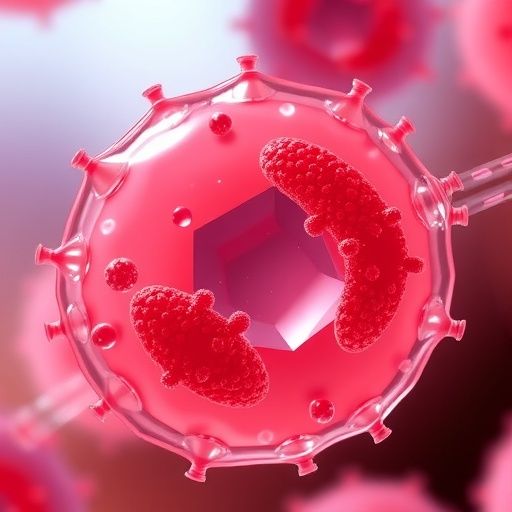
A recent study published in the Journal of Bioresources and Bioproducts highlights the integration of carbon nanotubes into a chitosan hydrogel matrix to enhance the stability and functionality of red blood cell membranes for environmental sensors. This approach addresses the challenge of maintaining biomembrane stability when embedded in artificial materials, which often leads to compromised signal quality and performance.
The research team developed a bio-based stabilization strategy using a conductive composite interface. This interface protects red blood cell membranes and facilitates electrochemical readout by utilizing electrostatic interactions between the chitosan network and the membrane surface. These interactions effectively anchor membrane fragments within a three-dimensional hydrogel structure.
The hydrogel's microenvironment is specifically tuned to preserve membrane fluidity and maintain the structural integrity of membrane-bound acetylcholinesterase (AChE), which is crucial for detecting organophosphate compounds. The introduction of carboxylated multi-walled carbon nanotubes into the hydrogel enhances electron-transfer pathways, ensuring compatibility with the bio-interface.
The resulting biosensor demonstrated significant operational stability, retaining 85.8% of its original electrochemical response after seven days of continuous testing. This durability is essential for the practical application of membrane-based sensing in real-world monitoring systems.
In practical applications, the biosensor effectively detected organophosphate pesticides in agricultural samples such as apples, oranges, and tomatoes. Organophosphates, while effective as insecticides, pose health risks by inhibiting AChE activity. The study's electrochemical biosensing approach offers a portable and rapid screening alternative to conventional detection methods, which often face limitations in sensitivity and complexity.
By combining chitosan hydrogel stabilization with conductive nanomaterials and functionalized cell-membrane recognition, the study provides a framework for developing reliable biomimetic interfaces. This expands the potential uses of natural polysaccharides in electrochemical environmental sensing beyond traditional biomedical or packaging applications.
Source: Carbon Nanotubes Feed