Chloris advances bio-based dye for commercial denim production
Chloris Colors is scaling its bio-based dye, Claessen Blue, for denim production, having achieved ISCC PLUS certification, the first bio-based dye globally to do so.
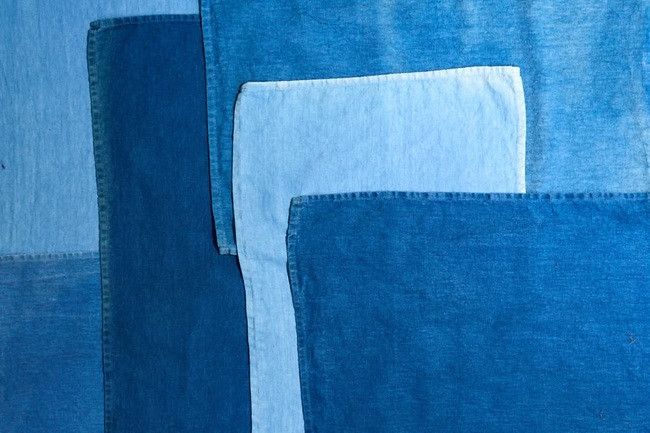
Chloris Colors, a biotechnology company based in Utah, is working to expand the use of its bio-based dye, Claessen Blue, in commercial denim production. The company is leveraging third-party certifications to encourage adoption by textile mills and global brands.
Claessen Blue has achieved ISCC PLUS certification, marking it as the first bio-based dye in the world to receive this recognition. This certification confirms the use of bio-based, bio-circular, and recycled feedstocks through independent auditing and a mass balance chain-of-custody system.
The dye is engineered to be compatible with existing indigo dyeing lines, offering a denim appearance similar to that of conventional indigo. It presents an alternative to synthetic indigo by employing a gentler dyeing process that eliminates the need for harsh reducing agents like sodium hydrosulfite. Chloris Colors claims that the process also involves lower alkalinity and can decrease water and energy consumption, resulting in cleaner wastewater. These attributes could help denim manufacturers lessen the environmental impact associated with traditional indigo dyeing.
In addition to ISCC PLUS, Claessen Blue has received USDA BioPreferred and TÜV Austria OK biobased certifications, which confirm its bio-based carbon content. The dye is produced through fermentation using 100% renewable, plant-based feedstock and has attained the highest four-star rating under TÜV Austria's OK biobased scheme.
Claessen Blue has also secured OEKO-TEX Eco Passport certification and ZDHC Manufacturing Restricted Substances List (MRSL) v3.1 Level 3 conformance, addressing chemical safety and management requirements. Furthermore, it is approved as a chemical input under Global Organic Textile Standard (GOTS) 7.0 for processing that complies with the standard's requirements.
"Our certifications cover several requirements that matter when introducing a new dye into textile production," stated Dr. Lei Sun, Founder of Chloris Colors.
For denim manufacturers, these certifications offer independent verification of the dye's material composition, traceability, and chemical management performance. They also assist mills and brands in evaluating the suitability of bio-based alternatives for commercial production.
Source: Biomass & Recycled Carbons Feed