Clean-water project at Hartley Nature Center shows success
St. Louis County, the city of Duluth, and other partners have implemented a green-infrastructure project at Hartley Nature Center to divert and filter stormwater runoff from 117 acres, using biochar among other materials to remediate contaminants. This initiative is significant for advanced carbon materials as it utilizes biochar, a form of carbon, to improve water quality by removing pollutants, benefiting ecosystems connected to Lake Superior.
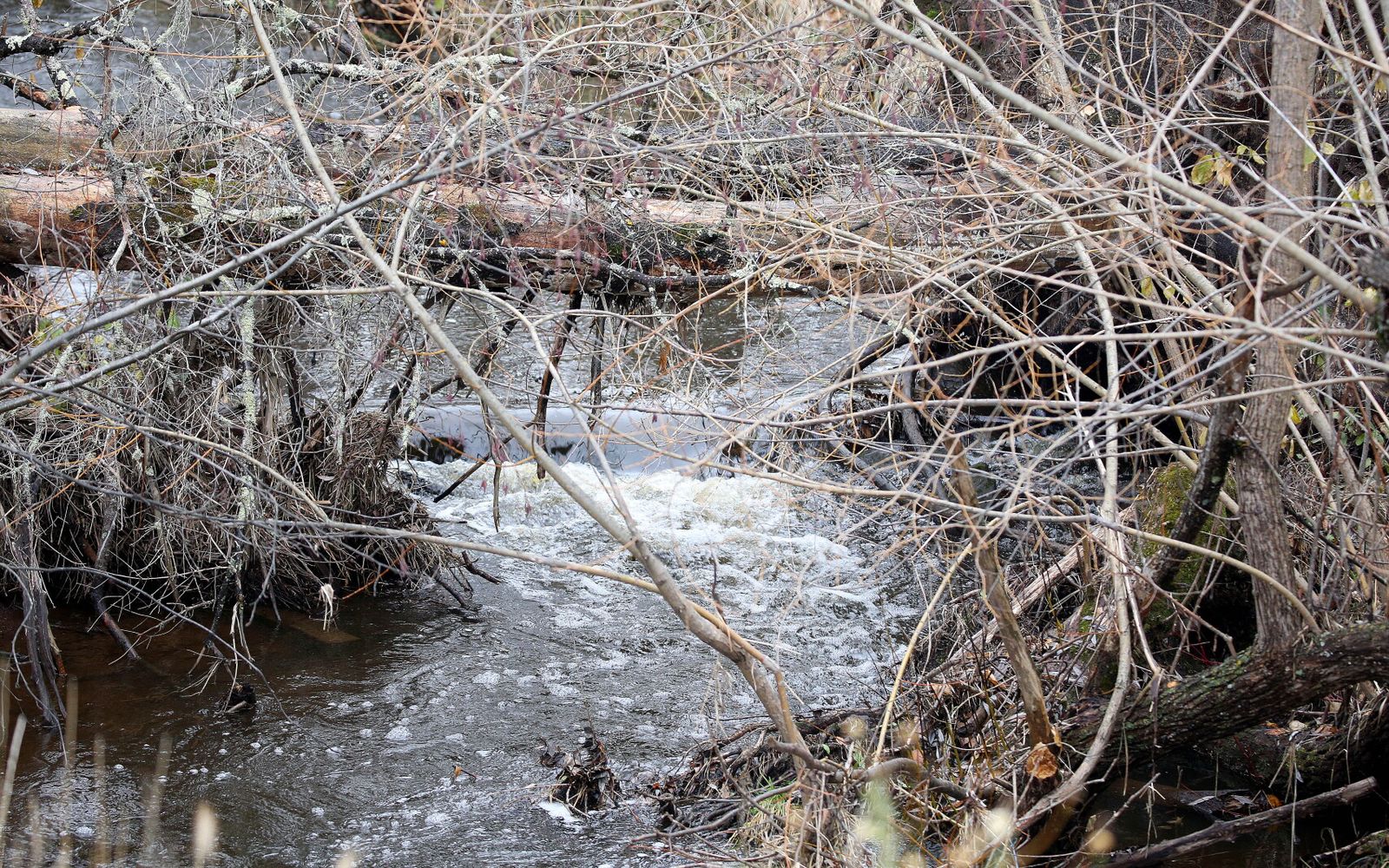
Hartley Nature Center, located between Woodland Avenue and Tischer Creek, is at the forefront of a clean-water initiative aimed at reducing pollution in the creek. Tischer Creek, a designated trout stream, suffers from stormwater runoff that carries sediment, bacteria like E.Coli, and other pollutants. This runoff affects both aquatic life and human health.
Tischer Creek flows into Lake Superior, the largest freshwater lake by surface area globally. Maintaining its cleanliness is vital for the region and for the health of the lower Great Lakes. The Great Lakes Restoration Initiative aims to restore and protect these ecosystems, which contain 21% of the world's surface freshwater.
In 2022, a collaborative project involving St. Louis County, the city of Duluth, the Minnesota Department of Natural Resources, and the Minnesota Pollution Control Agency began to address this issue. The project diverts 117 acres of untreated suburban drainage to be filtered through Hartley Park. Steve Krasaway, an engineer from St. Louis County, explained that a large storm sewer on Woodland Avenue now directs most of its flow into constructed ponds.
The filtration process begins with capturing stormwater in a pre-treatment vault, which leads to a series of basins. These basins filter the water through layers of sand, rock, and drain tile. The final basin includes biochar, a carbon-rich material that helps remediate contaminants and excess salts from road treatments.
Kun Zhang, a civil and environmental engineering professor, along with colleague Gustavo Merten, monitors the project's effectiveness. They have set up stations to test water quality after major storms, checking for total suspended solids, nutrients, chloride, and E.Coli.
The project, funded primarily by the Great Lakes Restoration Initiative and supported by the state's Clean Water Fund and St. Louis County, demonstrates the power of collaboration. The initiative's federal funding covered most of the $2.5 million cost. The result is a cleaner Tischer Creek, benefiting both the local ecosystem and community.
Katelynn Rolfes, a conservation advocate for Environment Minnesota, contributed this report to the News Tribune.
Source: Biochar Feed