Cnano to restructure US CNT business in response to new ownership rules
Cnano will sell 51% of C-Nano Technology to Aether Materials for USD25.5 million as part of a phased restructuring of its US CNT business. The move aims to meet US Non-PFE ownership rules and preserve customers’ eligibility for clean-energy manufacturing tax credits.
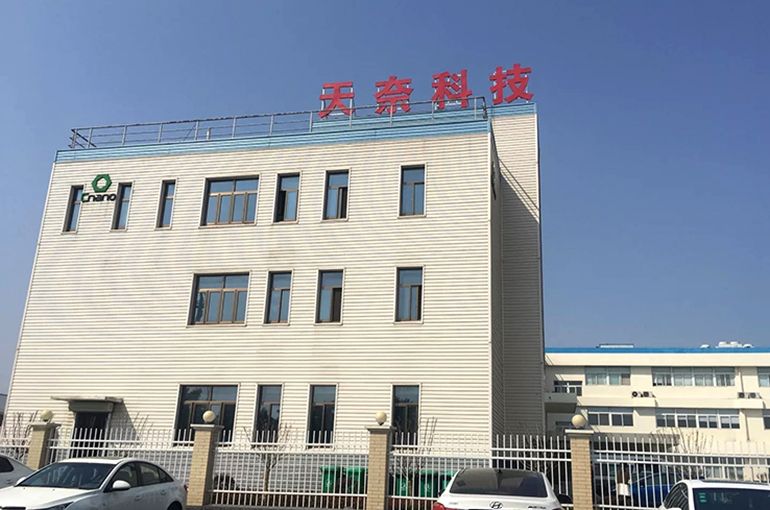
Cnano Technology is restructuring the ownership of its US operations in response to new US rules that could affect access to clean-energy manufacturing tax credits for customers sourcing materials from Chinese-controlled suppliers. The Chinese carbon nanotube producer plans to sell a 51% stake in C-Nano Technology Limited to Aether Materials Limited for USD25.5 million. C-Nano Technology owns Cnano Technology USA, which operates the company’s North American business.
The transaction is the first stage of a broader restructuring intended to bring Cnano USA within the criteria for a Non-Prohibited Foreign Entity, or Non-PFE, under provisions introduced by the One Big Beautiful Bill Act.
Cnano currently holds 100% of Cnano USA indirectly through C-Nano Technology, resulting in the US business being classified as a Prohibited Foreign Entity under the new framework.
The ownership rules include thresholds under which a company can be considered foreign-influenced where a single specified foreign entity holds at least 25% of the business, or where specified foreign entities collectively hold at least 40%.
Cnano said the restructuring is intended to ensure that no single Chinese entity ultimately holds 25% or more of Cnano USA, directly or indirectly, and that relevant Chinese ownership remains below the 40% aggregate threshold.
The initial 51% sale will not by itself reduce Cnano’s indirect interest below the 25% threshold, and the company has said the ownership adjustment will therefore be completed in phases. It has not disclosed the structure of the subsequent steps.
Aether Materials is controlled by Zheng Tao, one of the controlling shareholders and actual controllers of Cnano Technology. Following completion of the first transaction, C-Nano Technology will no longer be included in Cnano’s consolidated financial statements.
The restructuring reflects the growing impact of US industrial policy on suppliers of battery materials and other advanced materials.
Under the new rules, downstream manufacturers may face restrictions on access to certain US manufacturing tax credits where materials are sourced from businesses classified as prohibited foreign entities. For Cnano, this creates a direct commercial issue for its North American CNT operations. The company said maintaining the existing ownership structure could weaken the competitiveness of its US business, potentially resulting in the loss of key customers and underutilisation of its local production capacity.
Shifting supply back to China would not provide a straightforward alternative. Cnano said Chinese-produced materials would face higher import tariffs in North America, while Chinese entities would also remain subject to the relevant foreign-entity restrictions. Customers purchasing those materials could therefore still face limitations on tax-credit eligibility.
The company also said operating costs at its US production facility are too high for the site to serve other export markets economically, increasing the importance of maintaining access to North American customers. Cnano produces CNT powders, CNT conductive pastes, graphene composite conductive pastes and CNT conductive masterbatches. Its materials are used in conductive-additive applications, including battery manufacturing.
The transaction is therefore notable beyond the ownership change itself. It shows how US clean-energy policy is beginning to influence not only where advanced carbon materials are sourced and manufactured, but also how international suppliers structure their North American operations.
Cnano reported revenue of CNY728 million, approximately USD110 million, in the first half of 2026, up 11% year-on-year. Net profit increased 15% to CNY135 million, approximately USD20.1 million.