EU-funded robot uses magnets to steer graphene implants into the brain
Researchers in the EU-funded MINIGRAPH project developed a magnetic robot to implant graphene electrodes in the brain along curved paths.
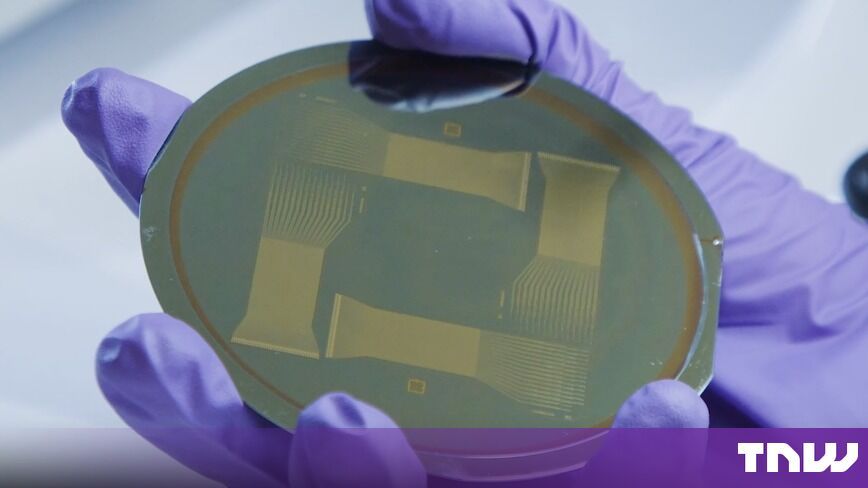
A European research consortium has developed a robotic system that uses magnets to guide ultra-thin graphene electrodes into the brain. The clinical work, led by Barcelona-based INBRAIN Neuroelectronics, concluded under the EU-funded MINIGRAPH project.
The initial focus of the project is on Parkinson’s disease, which is currently treated with deep brain stimulation using implanted electrodes. The consortium aims to create implants that can record brain activity, interpret the signals, and provide responsive stimulation, offering a personalized therapeutic approach.
Nanoflex Robotics and ETH Zurich designed the implantation system, which employs remote magnetic navigation. A magnetic carrier transports the thin probes, and the robot directs them using X-ray imaging. This allows the probes to navigate both straight and curved paths to reach various brain regions.
INBRAIN reported successful laboratory and large animal model tests of the procedure, suggesting that it could make the implantation of brain-computer interfaces more efficient and consistent.
Matt Curran, co-founder and CEO of Nanoflex Robotics, stated, “The MINIGRAPH project demonstrated the feasibility and potential to use electromagnetic robotics to control the delivery of next-generation BCI not only through straight but also curved trajectories deep into the brain with sub-millimeter accuracy.”
Most current brain electrodes are metal-based, whereas INBRAIN’s electrodes are made from graphene, a carbon sheet one atom thick. Accelerated aging tests indicate a projected stability of over 10 years. The consortium also conducted toxicity and biocompatibility studies on the material.
The group developed compact electronics capable of decoding signals from hundreds of brain points, integrating the probes, electronics, and software into a single implant prototype tested in a translational animal model.
Jose A. Garrido, co-founder and chief scientific officer of INBRAIN, emphasized the importance of precise and reproducible implantation methods as BCI technologies advance toward patient use.
The European Innovation Council funded the MINIGRAPH project through Horizon Europe, contributing €3.93 million over 45 months starting October 2022. Switzerland supported ETH Zurich’s involvement.
The Catalan Institute of Nanoscience and Nanotechnology (ICN2) coordinated the consortium, with participation from Imec, Fraunhofer-Gesellschaft, Leiden University Medical Center, and Palacký University Olomouc.
While tests have been conducted in labs and animals, INBRAIN announced in April the completion of patient enrollment for a separate first-in-human study of its graphene interfaces for brain decoding and mapping.
In related developments, Paradromics in the US implanted a brain chip in its first patient in June, China approved its first commercial brain implant this summer, and Science Corp is introducing a retina implant to Europe.
Source: Graphene Feed