FIU researcher turns agricultural waste into cleaner water solution
FIU researcher Islam Ibrahim Hussein developed a reusable filter from rice husk biochar to remove industrial dyes from water. The material was effective in tests and can be reused multiple times.
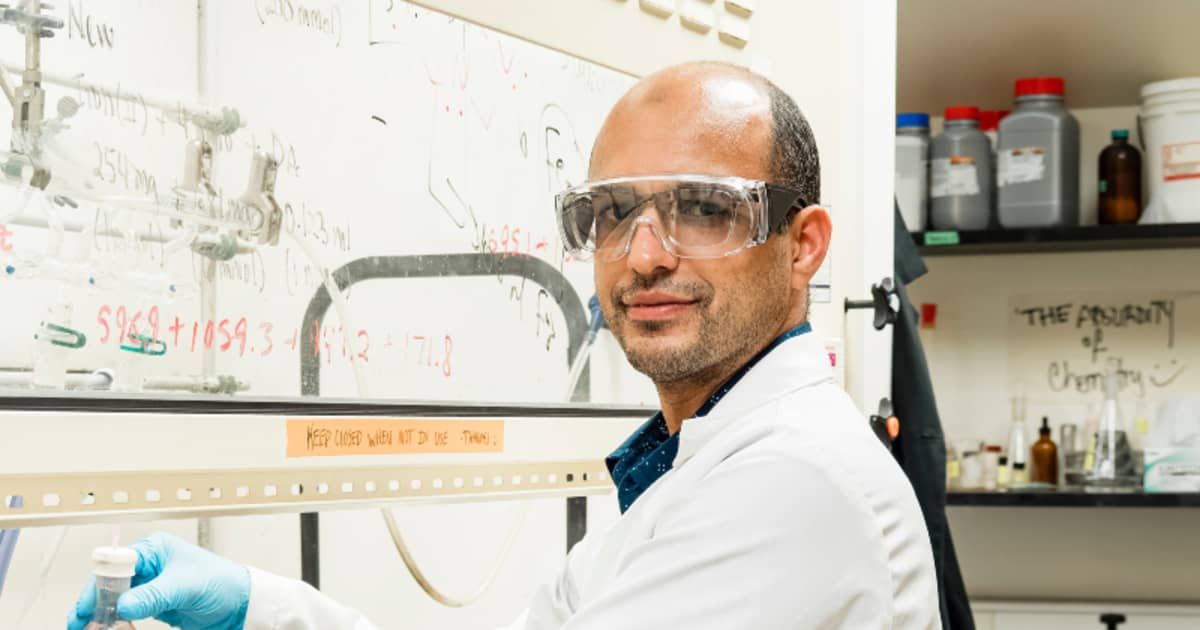
Researchers at Florida International University (FIU) are exploring the potential of rice husks, an agricultural byproduct, to improve water purification processes. Led by chemistry researcher Islam Ibrahim Hussein, the team is developing a method to convert discarded rice husks into a biochar-based filter capable of capturing industrial synthetic dyes from water. This approach not only addresses water contamination but also reduces agricultural waste.
The research team, working internationally, has successfully transformed rice husks into a sponge-like material that captures dyes such as brilliant green and malachite green, commonly used in evaluating water treatment technologies. The findings indicate that this material could offer a sustainable solution for removing water contaminants while minimizing environmental impact.
The developed material is both effective and reusable, maintaining its efficacy through at least five cycles of use. The environmental cost of producing the material is also considered, as improper disposal or burning of rice husks can lead to pollution. By repurposing this byproduct, the researchers aim to lower the environmental footprint of the filtration process.
The conversion process involves heating rice husks in a low-oxygen environment to produce biochar, which is then combined with magnesium and aluminum to form a composite material. This composite is designed to enhance the capture of pollutants, leveraging the high surface area of biochar to trap contaminants effectively.
The research primarily targets dyes used in industries such as textiles, leather, paper, and aquaculture, which are known to be toxic and persistent in the environment. The textile industry alone contributes significantly to industrial water pollution, with dye contamination being a major concern in regions with large textile sectors.
While laboratory results are promising, further research is necessary to determine the material's effectiveness on a larger scale and its ability to remove a broader range of contaminants, including heavy metals. Hussein and his collaborators aspire to develop this technology further to provide communities worldwide with access to cleaner water.
The study was conducted in collaboration with Nazrul Haq from King Saud University in Saudi Arabia and George V. Belessiotis from the National Technical University of Athens in Greece.
Source: Biochar Feed