Graphene Holds Multiple Superconducting States Simultaneously
Researchers at MIT have discovered that rhombohedral graphene can host multiple superconducting states simultaneously, with some states becoming stronger under magnetic fields. This finding is significant for advanced carbon materials as it reveals new possibilities for manipulating graphene's superconducting properties, which could impact quantum computing and other technologies relying on superconductivity.
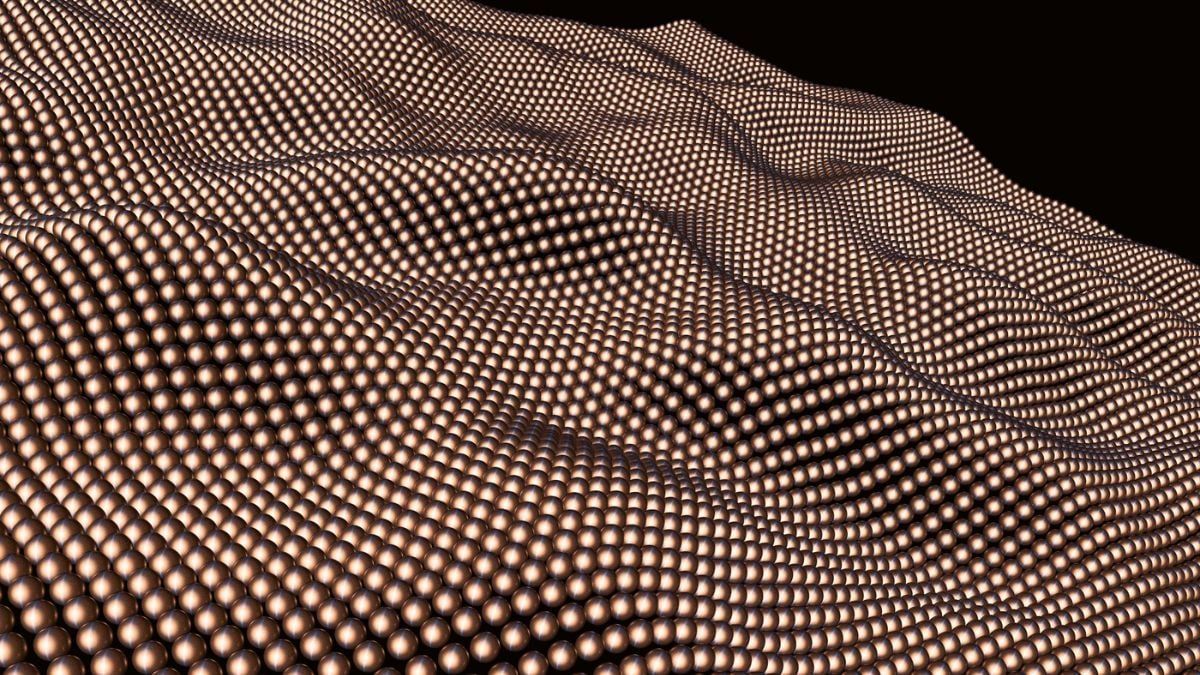
Rhombohedral graphene, a naturally occurring form of graphene composed of ultra-thin layers arranged at specific angles, has been found to host multiple superconducting states simultaneously. Researchers, led by a team from the Massachusetts Institute of Technology (MIT), conducted experiments on graphene stacked in four and five layers, manipulating electron densities to explore different forms of superconductivity. Published in Nature, the study revealed that some superconducting states in graphene are enhanced by magnetic fields, a rare phenomenon.
Superconductivity, characterized by zero electrical resistance, typically diminishes under magnetic fields. However, in this study, certain states in rhombohedral graphene not only persisted but strengthened when exposed to magnetic fields. Physicist Long Ju from MIT noted the unusual nature of this finding, highlighting the potential for further exploration into the fundamental physics involved.
The research team has previously identified unconventional superconductivity states in rhombohedral graphene, with this study adding three more to their discoveries. Superconductors generally rely on electron pairs with opposite magnetic spins, known as Cooper pairs, to glide through materials without interference. In typical scenarios, magnetic fields disrupt these pairings, but the graphene in this study exhibited unique behavior.
In some instances, superconductivity emerged only with an applied magnetic field, while in others, the field enhanced the superconductivity, increasing the transition temperature from 55 millikelvin to approximately 90 millikelvin. Additionally, the material could sustain 50 to 60 percent more current before losing superconductivity, a highly unusual trait.
The researchers are investigating why these superconducting states defy conventional expectations regarding magnetic fields. One hypothesis suggests that electrons align with the magnetic field, preserving their superconductivity. Future studies aim to examine each superconducting state individually, focusing on their generation and interaction with magnetic fields, which in this study were up to 180,000 times stronger than Earth's.
While the superconductivity observed requires ultra-cold conditions and specific laboratory setups, the findings have implications for quantum computing, particularly in stabilizing qubits. This research underscores the potential of naturally occurring materials like rhombohedral graphene to exhibit exotic states with slight property modifications.
Source: Graphene Feed