Graphene oxide boosts piezoelectric and triboelectric performance
Researchers incorporated thermally exfoliated graphene oxide into PVDF, enhancing both piezoelectric and triboelectric responses. This nanocomposite could advance self-powered wearables and flexible sensors.
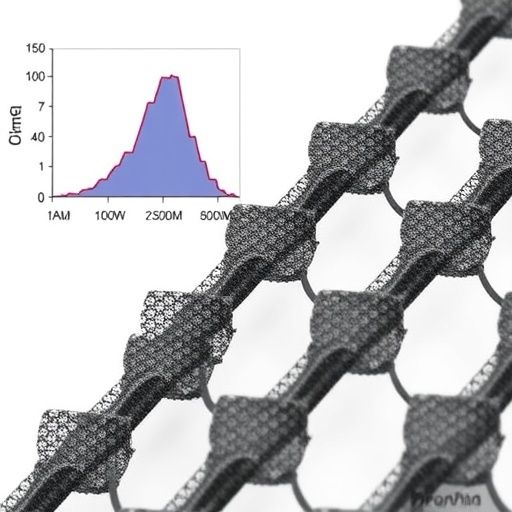
The incorporation of thermally exfoliated graphene oxide into poly(vinylidene fluoride) (PVDF) has shown to enhance both piezoelectric and triboelectric performance, according to a study published in npj Flexible Electronics. Researchers S. Mishra, H. Lakra, K. Hazarika, and colleagues have developed a nanocomposite that could convert everyday motion into electrical power, potentially advancing self-powered wearable devices and flexible sensors.
The study focuses on combining piezoelectric and triboelectric mechanisms for mechanical energy harvesting. Piezoelectric materials generate electricity when mechanically deformed, while triboelectric materials produce electricity through contact electrification. By integrating these effects in a single flexible material, the graphene oxide–PVDF nanocomposite can capture a broader range of movements.
PVDF is a well-studied polymer for energy harvesting due to its lightweight, chemically stable, and mechanically durable properties. It generates electrical charge when its molecular chains are arranged in the electroactive beta phase. The challenge has been to maintain this phase while ensuring flexibility and reliable electrical output.
The addition of thermally exfoliated graphene oxide addresses this challenge. Graphene oxide, composed of carbon sheets with oxygen-containing groups, influences the crystallization and mechanical response of PVDF. This interaction at the interface between graphene oxide and PVDF helps form electroactive structures and affects charge movement during mechanical stimulation.
The synergy between piezoelectric and triboelectric effects is crucial for real-world applications. The nanocomposite can respond to various motions such as pressing, bending, and stretching, making it suitable for multifunctional sensing systems. The piezoelectric response results from charge redistribution in PVDF, while the triboelectric response arises from charge exchange during contact and separation.
Potential applications include electronic skin, wearable health monitors, and smart textiles. These materials could reduce maintenance and improve autonomy in devices by harvesting energy from body movement or ambient mechanical activity. The study underscores the importance of engineering interfaces between different materials to enhance performance, suggesting a practical pathway for developing lightweight, adaptable energy harvesters.
Source: Graphene Feed