Himachal launches India's first indigenous pine needle biochar plant to tackle forest fires
Himachal Pradesh has launched India's first indigenous biochar plant, processing 1.5 tonnes of pine needles daily to combat forest fires and climate change.
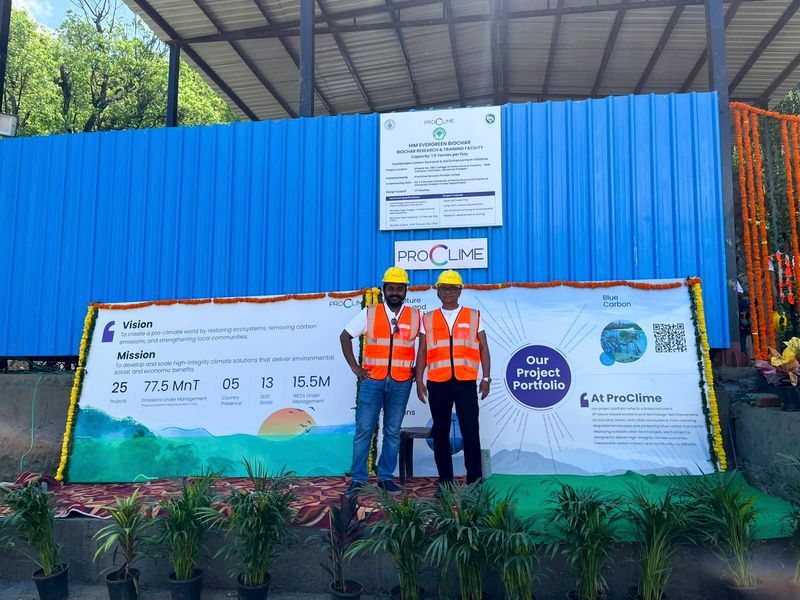
A new biochar plant capable of processing 1.5 tonnes of biomass daily has been commissioned at the Neri campus of Dr YS Parmar University of Horticulture and Forestry in Himachal Pradesh. This facility, developed to handle chir pine needles and other forest biomass, is India's first indigenously designed biochar plant for forest biomass. It represents a collaborative effort between the Himachal Pradesh Forest Department, IIT Roorkee, UHF, and ProClime.
The plant aims to convert the highly combustible chir pine needles, which contribute to annual wildfires in Himachal Pradesh, into biochar. This process not only mitigates the risk of forest fires but also transforms the biomass into a climate solution. The facility will produce approximately 450 kg of biochar daily, along with bio-oil and wood vinegar as by-products. Additionally, it will serve as a research, demonstration, and training center.
The plant employs pyrolysis, a method of heating biomass in a low-oxygen environment, to produce biochar. This stable, charcoal-like material can store carbon in soil for hundreds of years, offering a tool for long-term carbon sequestration and climate change mitigation. Beyond carbon storage, biochar enhances soil structure, water retention, and fertility, making it a valuable agricultural amendment.
The initiative also aims to generate rural livelihoods by involving local communities in biomass collection. Residents will be compensated for gathering dry pine needles and forest residues, providing an income source while reducing fire hazards. The program is expected to create employment opportunities, particularly for women and self-help groups, and encourage community participation in forest conservation.
Globally, biochar is gaining recognition as a carbon removal technology that addresses waste management, soil degradation, and climate change. If successful, the Hamirpur pilot could lead to similar facilities in other Himalayan states.
Source: Biochar Feed