INBRAIN Neuroelectronics Ends Enrollment in Study of Graphene Neural Interfaces
INBRAIN Neuroelectronics completed enrollment of ten patients (eight treated) in a first-in-human trial of its graphene cortical interface, conducted during brain tumor resection surgeries at Northern Care Alliance NHS Foundation Trust, with no device-related adverse events or perioperative failures observed. The results support graphene as a viable electrode material for neural interfaces, with implications for the graphene sector as the technology advances toward clinical commercialization in brain-computer interface applications.
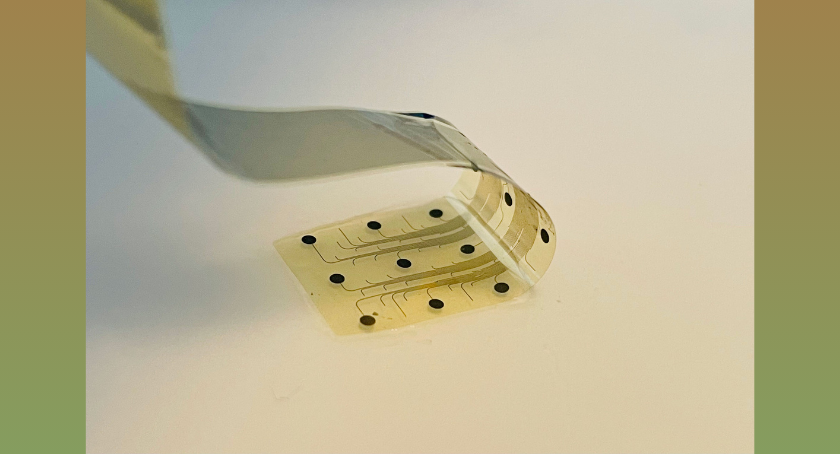
INBRAIN Neuroelectronics has concluded patient recruitment for its first-in-human study of a graphene cortical interface. The trial, involving ten patients with eight undergoing surgical treatment, reported no perioperative device failures. Complete datasets were collected from these eight patients.
The study, sponsored by the University of Manchester and conducted with Northern Care Alliance NHS Foundation Trust, assessed INBRAIN's graphene-based cortical interface during neurosurgical procedures for brain tumor resection. The primary objective was safety, with secondary goals including signal quality, stability, stimulation capability, and compatibility with standard surgical tools and equipment.
Graphene electrodes from INBRAIN were integrated with standard monitoring systems during tumor resection. In some conscious surgeries, patients performed tasks like object naming, allowing researchers to evaluate the system's ability to decode speech representation in the brain with high resolution.
Dr. David Coope, chief clinical investigator, highlighted the potential of graphene electrodes to detect high-frequency neural activity with micrometer-scale precision, offering new insights into brain-tumor interactions and functional brain mapping. This level of resolution could enhance surgical precision and open new treatment avenues for neurological disorders.
Graphene electrodes are ultra-thin, flexible, and conform to the brain's contours, overcoming limitations of conventional electrodes such as rigidity and signal sensitivity. By using graphene, a highly sensitive carbon-based material, these devices achieve higher-resolution signal detection and precise stimulation, aiding in real-time brain decoding and mapping.
Dr. Kostas Kostarelos, the study’s chief scientific investigator, emphasized the study's demonstration of graphene's ability to safely interface with the human brain and capture neural signals with exceptional fidelity. This marks a pivotal step towards translating neural signals into meaningful clinical applications.
INBRAIN Neuroelectronics, a clinical-stage neurotechnology company, is developing graphene-based brain-computer interface therapeutics. The company's platform uses graphene's unique properties to create high-resolution, minimally invasive neural interfaces for treating neurological disorders, leveraging artificial intelligence for central and peripheral nervous system applications.
Source: Graphene Feed