Industrial Water Treatment with Graphene and Antifouling
Researchers and engineers are evaluating graphene oxide and reduced graphene oxide as adsorbents, antifouling coatings, catalytic supports, and modified membrane layers within industrial water treatment systems targeting COD removal, biofouling control, and reverse osmosis feed protection. The graphene sector faces a clear scaling challenge, as industrial adoption of these carbon nanomaterials depends on demonstrating mechanical stability, resistance to chemical cleaning cycles, controlled delamination, and validated cost-per-cubic-meter performance in pilot tests using real effluent matrices.
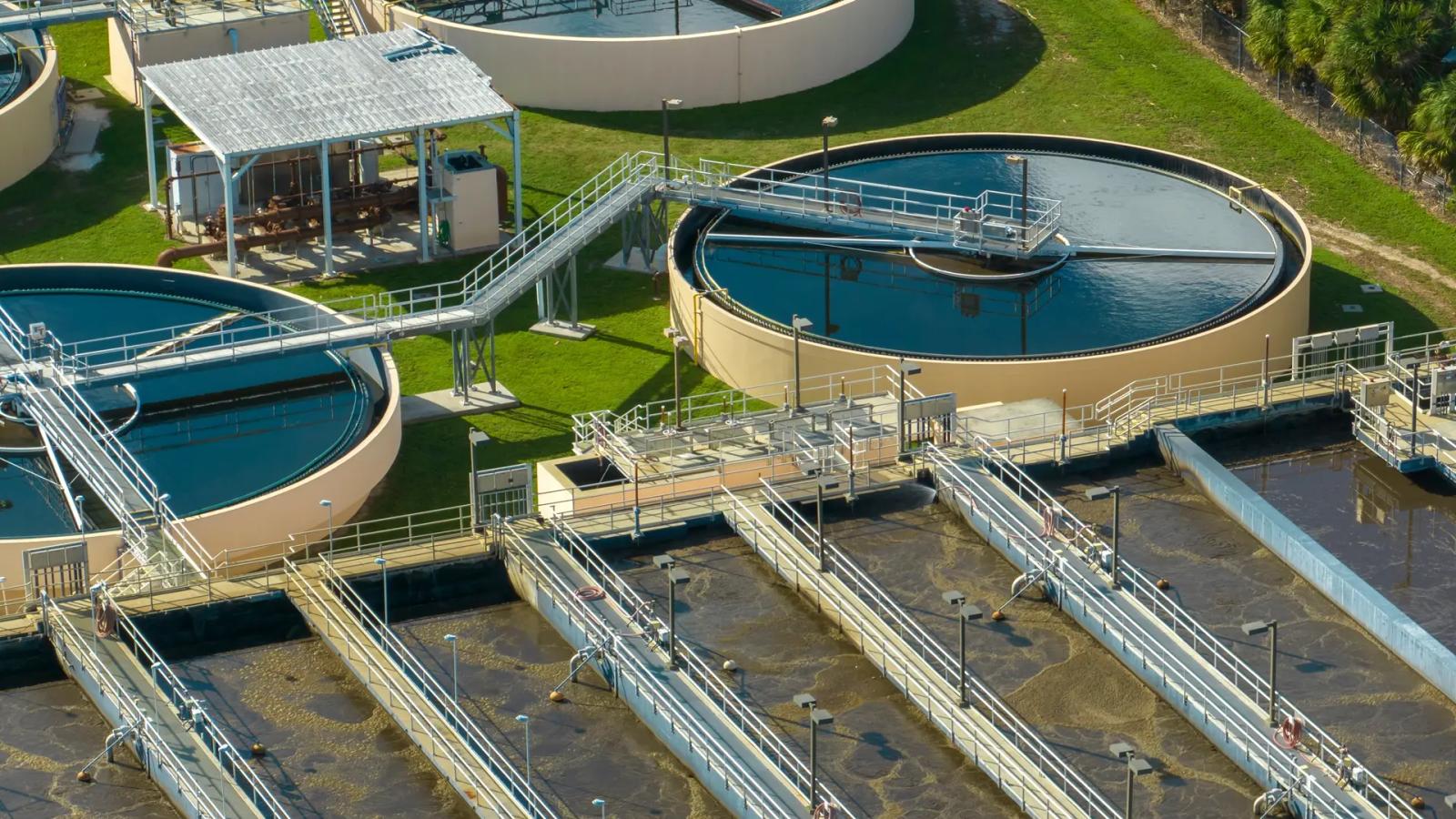
The integration of carbon nanomaterials, such as graphene, into advanced separation systems is enhancing industrial water treatment processes. These materials are being evaluated for their roles as selective adsorbents, modified active layers, catalytic supports, and antifouling surfaces. Their use aims to reduce organic loads, limit microbial adhesion, and protect membrane filtration units through early microbiological control and operational validation.
In industrial water treatment, the selection of process trains depends on a comprehensive physicochemical and microbiological characterization of the effluent. Factors such as flow rate, temperature, pH, conductivity, suspended solids, oils, metals, Chemical Oxygen Demand (COD), total organic carbon (TOC), nutrients, and bio load determine the suitability of each stage. Without this data, technologies risk being overdesigned, underperforming, or failing prematurely.
Laminar carbon materials, including graphene, can be incorporated into adsorbents, antifouling coatings, catalytic nanocomposites, or membranes. Their value lies in their surface area, tunable chemistry, nanoscale channels, and antimicrobial potential. However, their incorporation must be validated in real-world water systems using continuous operational data.
Carbon-based active layers operate through interlaminar nanoscale channels, controlled d-spacing, surface charge, and engineered defects. Under laboratory conditions, they can exhibit high permeability and selective rejection of multivalent ions, colloids, and organic compounds. Industrial scaling requires controlling water swelling, delamination under pressure, large-area uniformity, and resistance to acidic, alkaline, or oxidizing cleaning agents.
In filtration systems, biofilm formation begins with the adhesion of planktonic bacterial cells to wet surfaces. GO-modified surfaces can reduce microbial adhesion due to increased hydrophilicity, reduced roughness, and potential oxidative stress mechanisms. This performance must be verified against real matrices, cleaning cycles, and pH variations.
Carbon nanomaterials can serve as selective upstream adsorbents, antifouling coatings, or low-roughness hybrid active layers. The operational goal is to reduce interactions that promote mineral scaling, organic fouling, and biofouling before the flow reaches the main module. The most viable approach at present is not to immediately replace conventional ultrafiltration or thin-film composite reverse osmosis modules but to use mixed-matrix membranes, modified active layers, and antifouling surfaces validated at the pilot scale.
Nanotechnology-based industrial water treatment solutions must be evaluated for reproducibility, mechanical stability, total cost, commercial availability, toxicological assessment, and compatibility with existing equipment. The recommended approach is to select a critical stream, implement a pilot module, and compare its performance against activated carbon, resins, advanced oxidation, or polymeric membranes.
The treatment of industrial wastewater using nanostructured carbon materials is feasible and technically relevant when integrated into validated process trains. Its greatest contribution lies in reinforcing critical stages of water purification, protecting reverse osmosis units, reducing organic loads, and improving microbiological control against biological fouling.
Source: Graphene Feed