Invasive plant waste turned into high-performance fluoride water
Researchers at Northeast Normal University developed a nano-magnesium oxide modified pyro-hydrochar from Rhus typhina biomass, achieving a fluoride adsorption capacity of 469.64 mg/g, outperforming other magnesium oxide adsorbents.
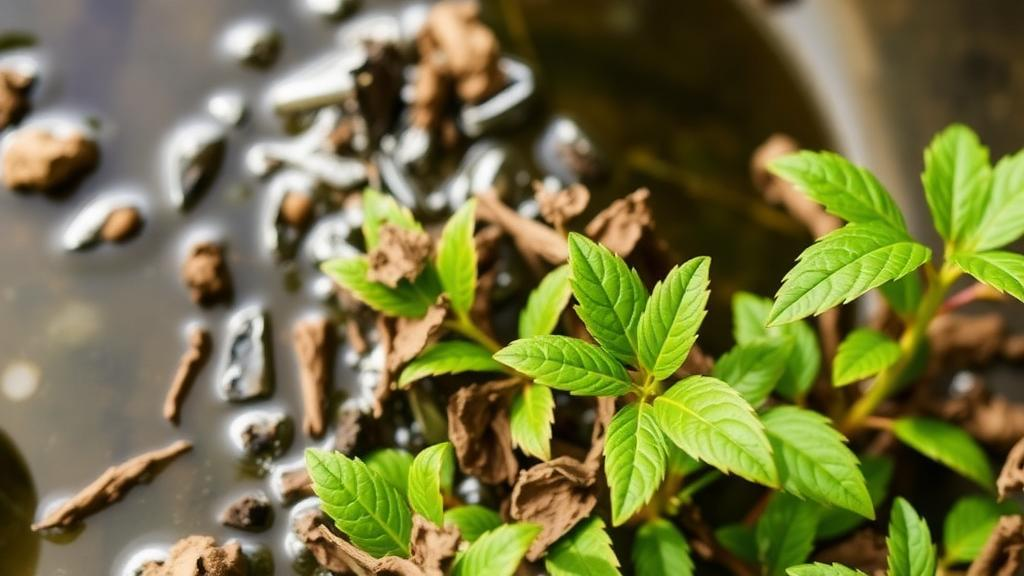
Researchers at Northeast Normal University, led by Jiunian Guan, have developed a novel material that addresses fluoride contamination in drinking water using residues from the invasive plant Rhus typhina. This nano-magnesium oxide modified pyro-hydrochar (nMgO/Py-HyC) demonstrates an impressive fluoride adsorption capacity of 469.64 milligrams per gram. The study, published in Biochar X, highlights the dual benefit of this material: effective fluoride removal and utilization of invasive plant biomass.
The synthesis process involves converting Rhus typhina biomass into hydrochar through hydrothermal carbonization, followed by pyrolysis with magnesium. This results in a porous carbon structure that stabilizes nano-MgO particles and provides extensive surface area for fluoride adsorption. The material's performance surpasses conventional magnesium oxide adsorbents, attributed to the synergy between the carbon scaffold and magnesium oxide.
The nMgO/Py-HyC composite maintains stable fluoride adsorption across a wide pH range from 5.0 to 11.0, demonstrating robustness in chemically diverse waters. This broad pH tolerance is valuable as it reduces the need for preconditioning water. While common ions like nitrate and sulfate have minimal impact, high bicarbonate levels can reduce adsorption efficiency, a factor to consider in certain groundwater conditions.
The study reveals multiple mechanisms for fluoride capture, including electrostatic attraction, surface complexation, and precipitation. The formation of stable compounds such as magnesium fluoride indicates that captured fluoride is securely retained. The carbon support enhances the exposure of active magnesium sites, facilitating efficient fluoride removal.
This research not only offers a promising fluoride treatment solution but also proposes a sustainable approach to managing invasive plant species. By converting Rhus typhina biomass into a valuable resource, the study suggests a potential partnership between invasive plant management and water utilities. Further research is needed to evaluate the material's performance in real-world conditions and at a larger scale, but the findings lay a foundation for developing effective, low-carbon fluoride treatment technologies.
Source: Biochar Feed