Lanthanum-doped flower-like iron molybdate powers a new breed of battery
Researchers developed a carbon nanotube anode achieving approximately 45 Wh/kg with strong cycling stability.
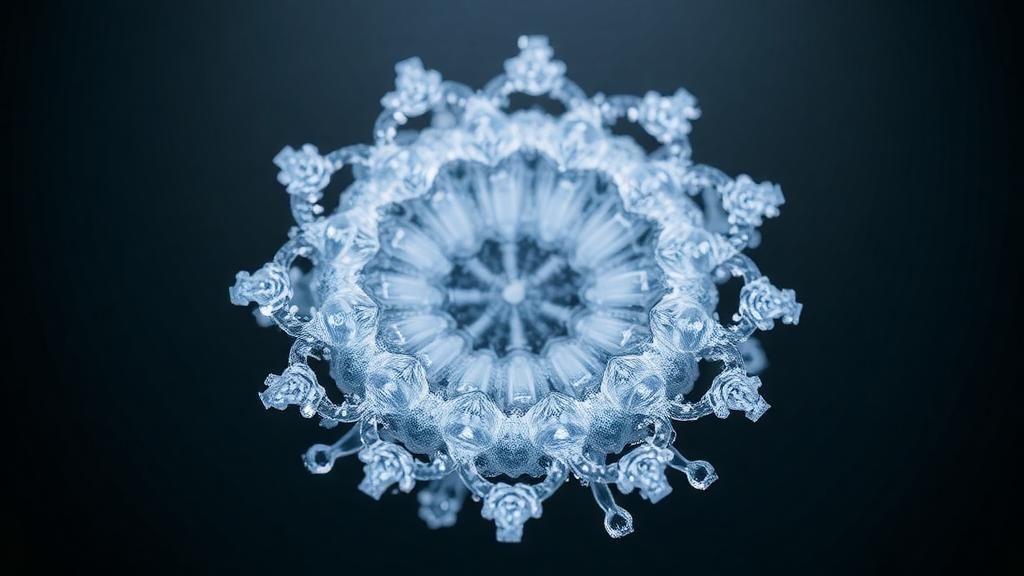
A research team in China has developed an advanced asymmetric supercapacitor using a lanthanum-doped iron molybdate cathode and a tin oxide-carbon nanotube anode. This device combines high energy density with the rapid charge-discharge capabilities typical of supercapacitors. The cathode, made from iron molybdate (Fe2(MoO4)3), benefits from lanthanum doping, which enhances electrical conductivity and structural stability through defect engineering and a flower-like morphology. This design increases the surface area and ion transport pathways, crucial for efficient energy storage.
The study, published in the journal Ionics by researchers from Harbin University of Commerce, Harbin Institute of Technology, and Ningxia University, reports that the supercapacitor achieves an energy density of approximately 45 watt-hours per kilogram at a current density of 3 amperes per gram. The power density reaches about 800 watts per kilogram, and even at higher currents, the device maintains significant energy storage capacity. This performance is a substantial improvement over traditional carbon-based supercapacitors, which typically offer only 5 to 10 watt-hours per kilogram.
The innovative cathode design employs lanthanum to create oxygen vacancies in the crystal lattice, enhancing electron mobility and charge transfer. The flower-like structure, with its extensive surface area, supports efficient ion adsorption and reaction, contributing to the device's high capacitance and durability. The cathode retains over 98.2% of its capacitance after 5000 cycles at 5 amperes per gram, demonstrating its robustness.
The anode, composed of tin oxide nanoparticles on carbon nanotubes, complements the cathode by providing additional pseudocapacitance and a conductive network for rapid electron and ion transport. This combination results in a lower charge-transfer resistance compared to standalone carbon nanotubes, optimizing the overall performance of the supercapacitor.
This asymmetric design allows the device to operate over a wider voltage range of 0 to 1.6 volts, significantly increasing the energy stored. The flexible PVA-KOH gel electrolyte further enhances the device's potential for applications in wearable electronics and other flexible energy storage solutions. Supported by the National Natural Science Foundation of China, this research highlights the importance of defect engineering and morphology optimization in developing high-performance energy storage materials.
Source: Carbon Nanotubes Feed