News9 October 2026· Carbon Nanotubes Feed
Curved carbon from cobalt framework enhances fast-charging battery anodes
Carbon Nanotubes (CNTs)BatteriesResearch & InnovationSustainabilityMarket Intelligence
14 articles on Carbon Nanotubes (CNTs) in Batteries.
Researchers at the North University of China have optimized nitrogen-doped carbon nanotubes for lithium-ion battery anodes by pyrolyzing ZIF-67 at 700 degrees Celsius, enhancing fast-charging capabilities.
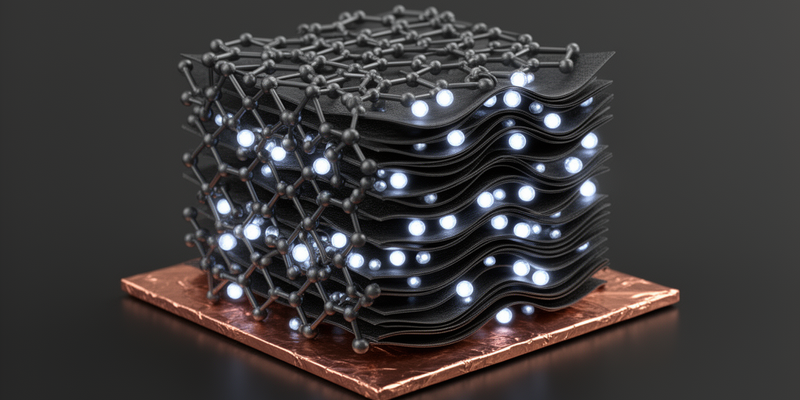
Researchers developed a carbon nanotube anode achieving approximately 45 Wh/kg with strong cycling stability.

Researchers developed a ternary composite using bismuth oxide, precipitated calcium carbonate, and carbon nanotubes that achieved a record specific capacitance.

The Advanced Carbons Council calls for a U.S. carbon materials innovation platform focused on standards, testing and buyer qualification. The paper links engineered-carbon supply chains to manufacturing, energy, defense and AI infrastructure. Serves as a model for governments world-wide.
Bergen Carbon Solutions has secured a patent for its carbon purification technology, reinforcing its intellectual property in carbon material processing and supporting its strategy for high-quality carbon products.
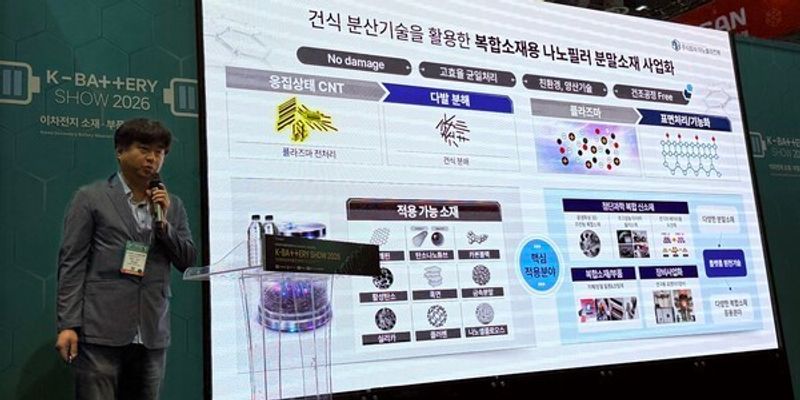
Inoplaztech plans to increase its carbon nanotube conductive additive production to 100 tons annually using proprietary plasma technology, targeting the dry electrode market for batteries.
Himadri Specialty Chemicals will establish India's first carbon nanotube production facility at its West Bengal complex, with an initial capacity of 200 tons per year, starting commercial production by FY2027.

Researchers at QUT developed a molecular strategy to prevent carbon nanotube clumping, enhancing thermal power efficiency for wearable devices that convert body heat into electricity.

Himadri Speciality Chemical is focusing on carbon nanotubes as a potential growth area to complement its existing battery materials business.
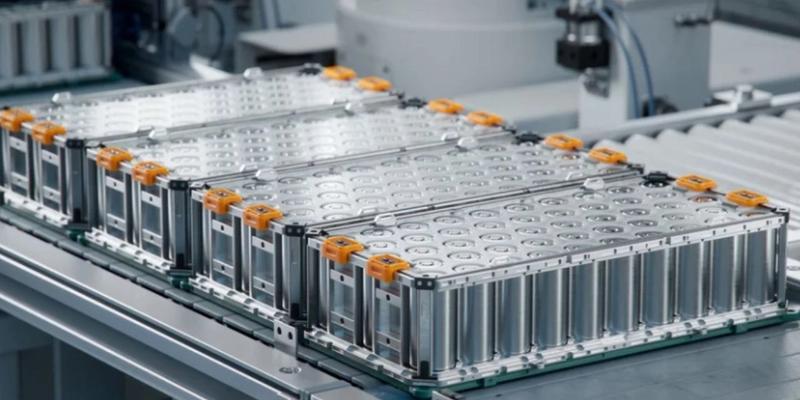
Kumho plans to increase production of multi-walled carbon nanotubes (MWCNT) to enhance electric vehicle battery performance.
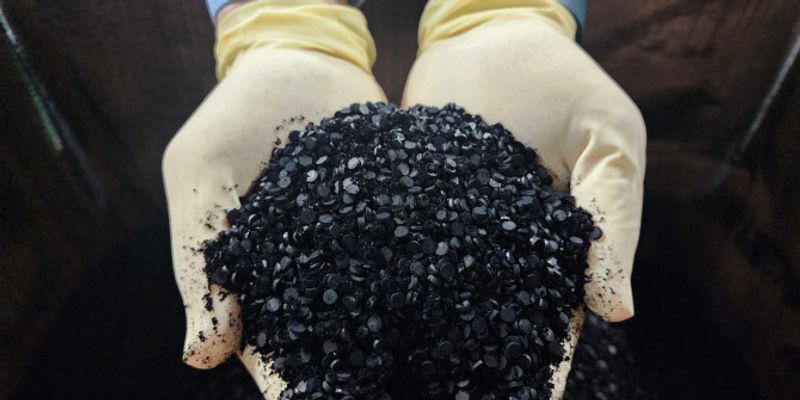
Researchers at the Vietnam Academy of Science and Technology have developed a sensor electrode using a composite material of graphene, carbon nanotubes (CNTs), and gold nanoparticles that can detect pesticide residues at concentrations as low as parts per billion (ppb). This advancement is significant for the field of advanced carbon materials as it enhances the sensitivity and functionality of sensors, contributing to improved agricultural product monitoring and food safety.
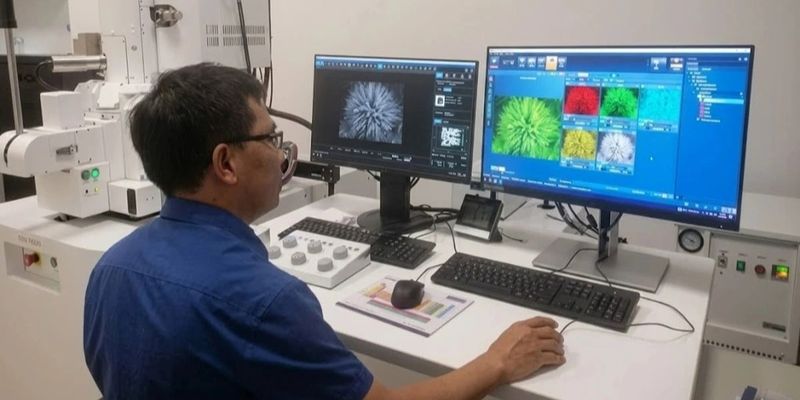
Researchers have built binder-free carbon nanotube cathodes for lithium-oxygen batteries, removing the polymer binder that limits cycle life and extending the working lifespan of the cell.
OCSiAl has been named a single-wall carbon nanotube supplier to Volkswagen Group's battery subsidiary PowerCo for its Unified Cell platform, with supply coming from OCSiAl's audited production facility in Serbia. The deal extends single-wall carbon nanotube use into a major European automaker's standardized battery platform, where the material serves as a conductive additive in graphite anodes to improve conductivity, heat dissipation, and fast-charging performance.
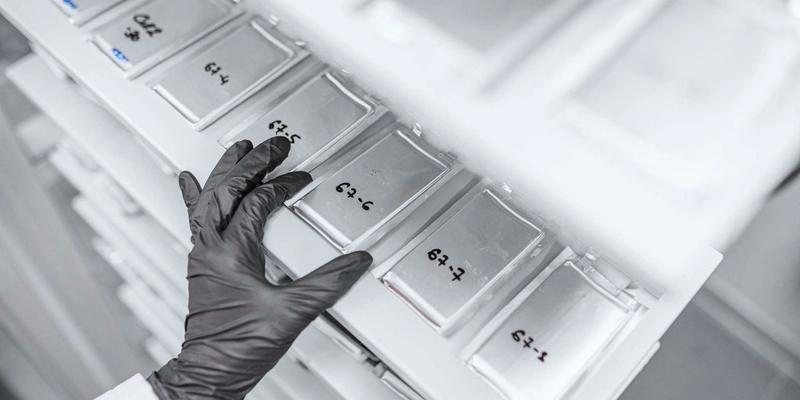
PowerCo, Volkswagen Group's battery subsidiary, selected OCSiAl to supply TUBALL single-wall carbon nanotube additives for the graphite anodes of its Unified Cell platform, manufactured at OCSiAl's Serbia facility. The deal expands the role of single-wall carbon nanotubes in large-scale EV battery production, with OCSiAl now supplying the majority of European EV battery manufacturers and planning a $300 million graphene nanotube facility in Luxembourg.