OCSiAl named supplier of carbon nanotubes for PowerCo's Unified Cell batteries
OCSiAl has been named a single-wall carbon nanotube supplier to Volkswagen Group's battery subsidiary PowerCo for its Unified Cell platform, with supply coming from OCSiAl's audited production facility in Serbia. The deal extends single-wall carbon nanotube use into a major European automaker's standardized battery platform, where the material serves as a conductive additive in graphite anodes to improve conductivity, heat dissipation, and fast-charging performance.
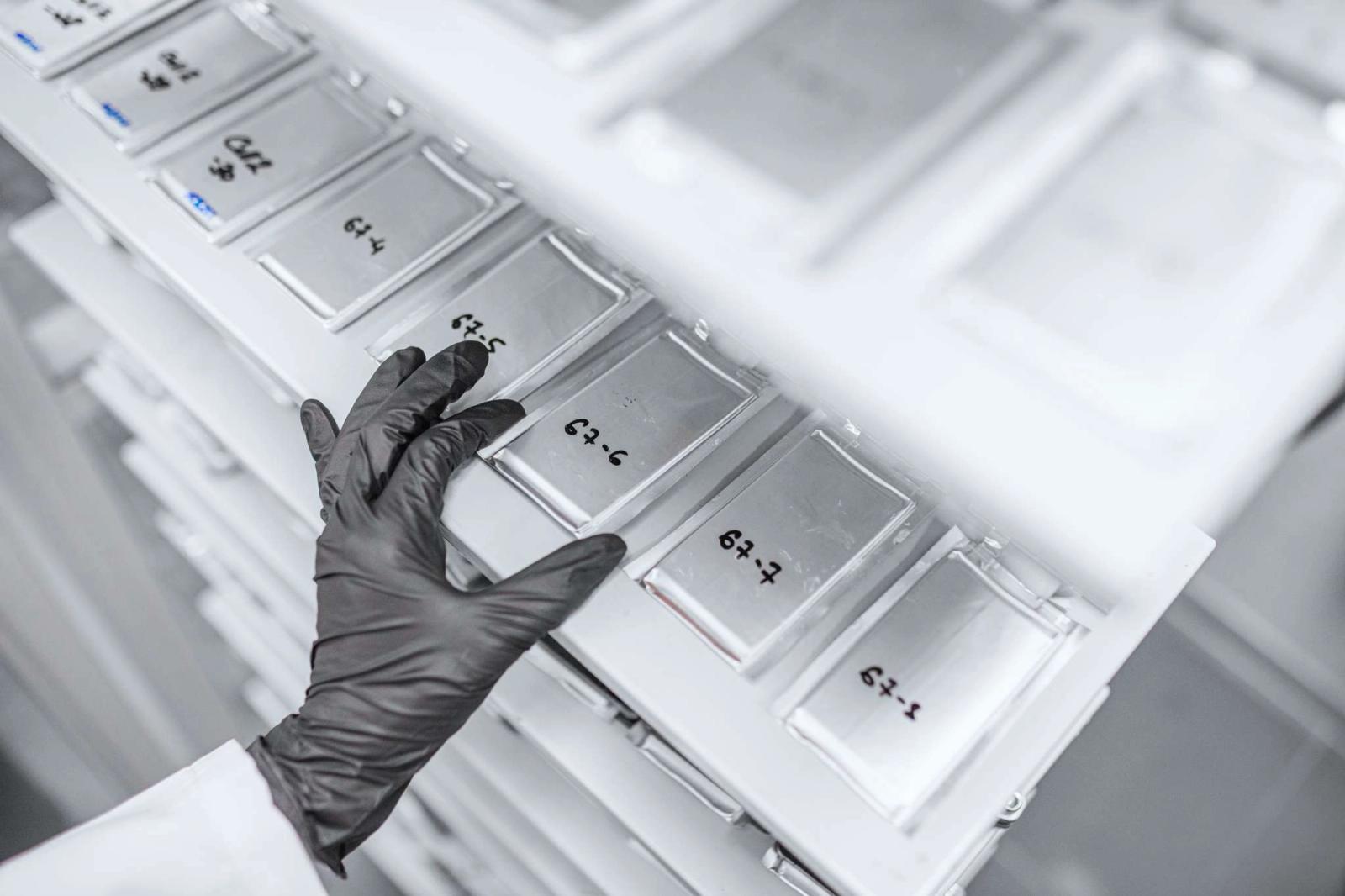
OCSiAl has been selected as a supplier for PowerCo, the battery manufacturing arm of Volkswagen Group, to provide single-wall carbon nanotubes for its Unified Cell battery platform. These nanotubes will be supplied to PowerCo’s facility in Salzgitter, Germany.
Marketed under the TUBALL brand, OCSiAl's nanotubes are added to graphite anodes as a conductive additive. They enhance the anode’s electrical conductivity and improve heat dissipation, allowing cells to function at higher charge and discharge currents without overheating. OCSiAl supplies these additives to most European electric vehicle battery manufacturers, claiming improvements in energy density, fast-charging performance, and cycle life for both cathode and anode systems.
The nanotubes destined for PowerCo will be produced at OCSiAl’s facility in Serbia, which contributes to the local sourcing of critical battery materials within Europe. The site has successfully passed audits by PowerCo and other European and Asian battery manufacturers. OCSiAl anticipates increased demand from next-generation EV battery platforms and is considering expanding its European production capacity to meet this demand.
According to OCSiAl, batteries incorporating its nanotubes are already powering approximately one million electric vehicles globally. In November 2025, the company announced a $300-million investment in a graphene nanotube facility in Luxembourg, where it is headquartered.
“Single-wall carbon nanotubes significantly enhance the electrical conductivity of graphite anodes and improve heat dissipation, enabling battery cells to operate at higher charging and discharging currents without overheating,” stated Gregory Gurevich, Senior Vice President at OCSiAl. “These advanced conductive additives are essential for high-performance battery platforms produced at industrial scale.”
Source: Carbon Nanotubes Feed