Papaya leaves produce nanomaterial that purifies water and fights cancer cells
Researchers have developed carbon dots from papaya leaves that can purify water and combat cancer cells without needing external dopants.
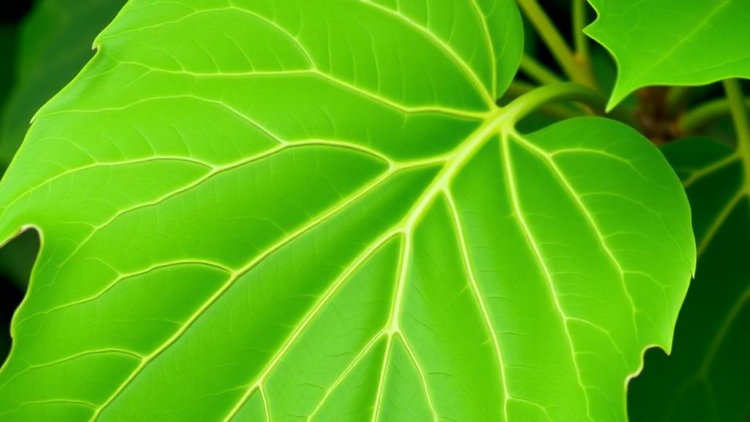
Researchers have developed a cerium oxide–carbon dot nanohybrid, CeO₂@CD, from Carica papaya leaf extract. This material can degrade textile dyes in polluted water, kill bacteria, neutralize free radicals, and selectively target breast and prostate cancer cells in lab tests. The synthesis process, reported in Results in Chemistry by Sivarama Krishna Lakkaboyana and Sulaiman Umar Adam, uses a low-temperature, calcination-free method, leveraging the papaya leaves as both the reducing agent and carbon source.
The selection of papaya leaves was strategic due to their high nitrogen content from alkaloids like carpaine, which enables in-situ nitrogen doping of the carbon dots. Additionally, the polyphenol and ascorbate content facilitates the conversion of cerium(III) to cerium oxide at 65 degrees Celsius, eliminating the need for high-temperature calcination. Papaya leaves, available year-round and not competing with food resources, were shade-dried to preserve essential polyphenols and ascorbate.
The synthesis involved two parallel processes. Carbon dots were created by heating a papaya leaf extract in a Teflon-lined autoclave, while cerium oxide was formed by treating cerium(III) nitrate with papaya extract and sodium hydroxide. The components were combined via ultrasonication, resulting in a nanohybrid with intimate interaction between oxide surfaces and carbon dots.
Characterization showed phase-pure cerium oxide with a mean crystallite size of 3.47 nanometers, smaller than the pristine oxide. Energy-dispersive X-ray spectroscopy confirmed a uniform distribution of carbon, oxygen, and cerium. The nanohybrid's optical properties include a direct optical band gap of 3.26 electron volts and a sub-edge absorption tail, enhancing its visible-light activity.
Under sunlight, the nanohybrid decolorized 95% of methylene blue within 90 minutes, with superoxide radicals as the primary oxidants. The material demonstrated significant antibacterial and antioxidant activity, outperforming reference standards in some cases. In cancer cell studies, the nanohybrid showed high selectivity against cancer cells while sparing healthy cells, attributed to the pro-oxidant surface chemistry of ceria.
The study acknowledges limitations, such as incomplete reference spectra and the need for further colloidal stability tests in physiological media. Despite these, the dual functionality of the CeO₂@CD nanohybrid in environmental and biomedical applications is noteworthy, offering potential for future development.
Source: Emerging Nano Carbons