News14 September 2026· Emerging Nano Carbons
Carbon dots emerge as a powerful weapon against superbugs and biofilms
Emerging Nano CarbonsHealthcareResearch & InnovationSafety & Toxicology
15 articles on Emerging Nano Carbons.
Researchers have developed carbon dots that effectively kill bacteria and break down biofilms, offering a promising tool against superbugs.

Researchers developed dual-emission carbon dot films that allow smartphones to detect nitrite and Fe3+ ions in water.
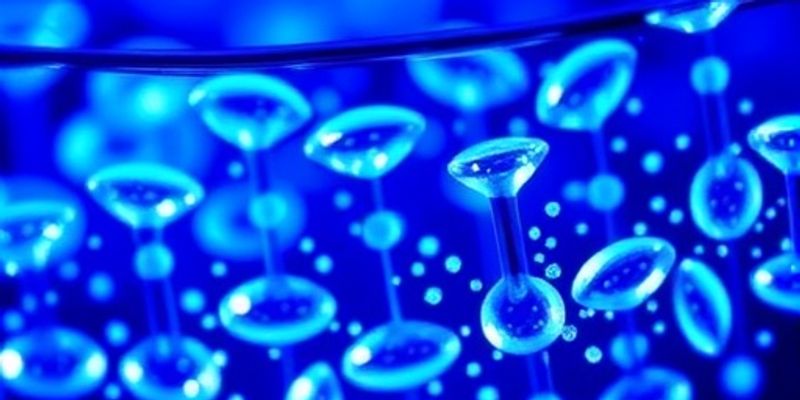
Researchers in Houston found that C60-ser, a modified fullerene, reduced brain inflammation and improved spatial memory in mice after cranial radiation therapy.
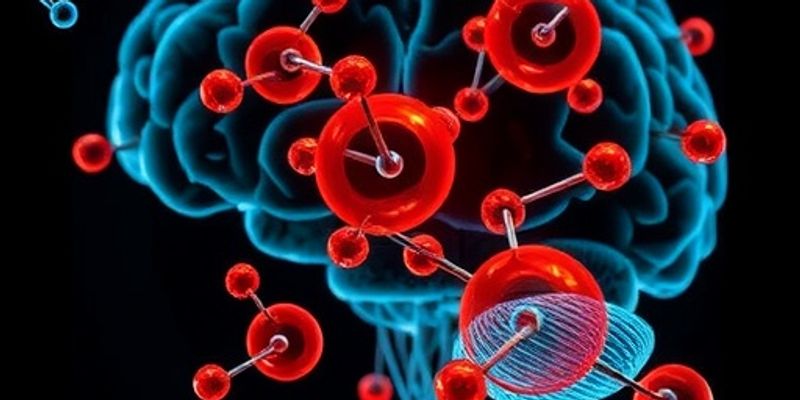
Researchers tested carbon dots for removing methylene blue dye from textile wastewater.

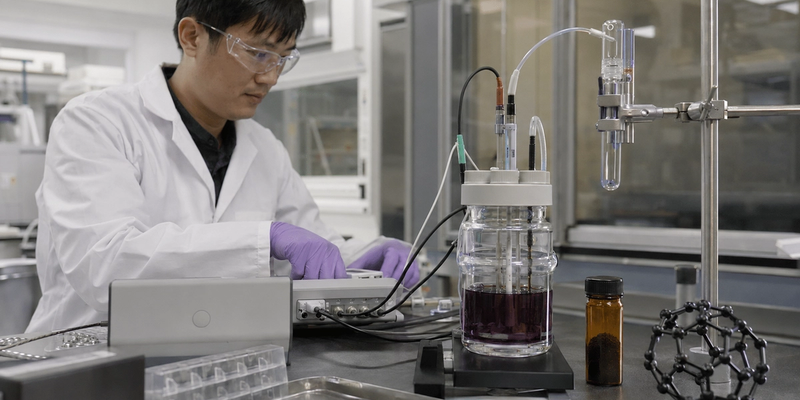
Researchers at XCT have highlighted the importance of experimental conditions in C60 cyclic voltammetry. Solvent, electrolyte, and electrode variables significantly affect the observed reduction potentials and peak shapes.
Smoltek has joined the MAXBATT consortium, which includes Scania and Volvo, to enhance sustainable battery production using carbon nanofiber technology.
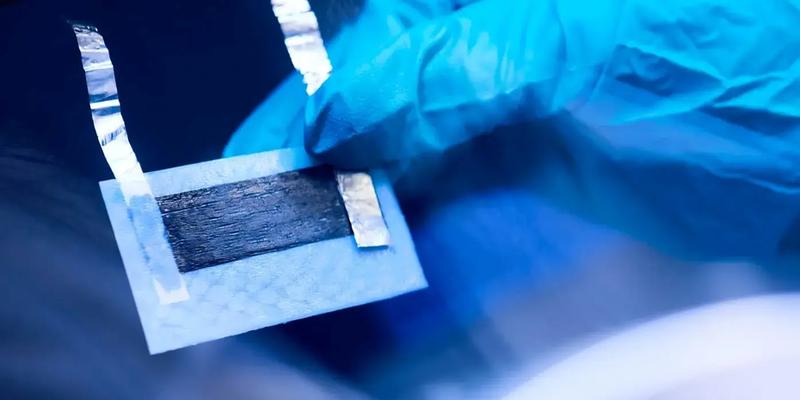
Researchers examined how proteins bind to charged graphene quantum dots, assessing the impact on toxicity, cellular uptake, and light emission.
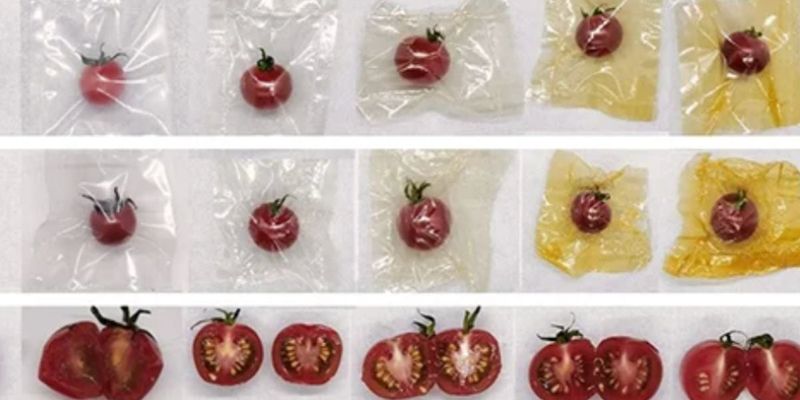
Researchers at Kyushu University developed a pumpkin peel-based nanomaterial that surpasses plastic in blocking UV light, reducing microbial growth, and preserving antioxidants, offering a sustainable packaging alternative.
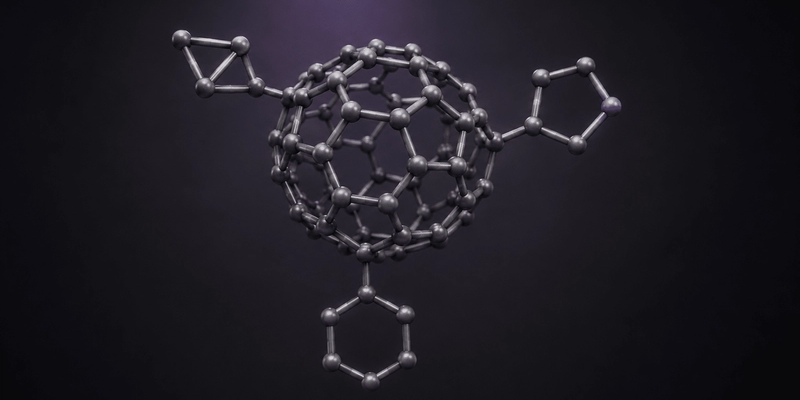
Bingel, Prato and Diels-Alder reactions each attach different groups to the C60 cage, changing solubility, electronic behaviour and how the fullerene organises with neighbouring molecules.
Researchers at City University of Hong Kong reached 20.5% power conversion efficiency in an organic solar cell by recovering normally non-emissive triplet excitons as extractable charge carriers.
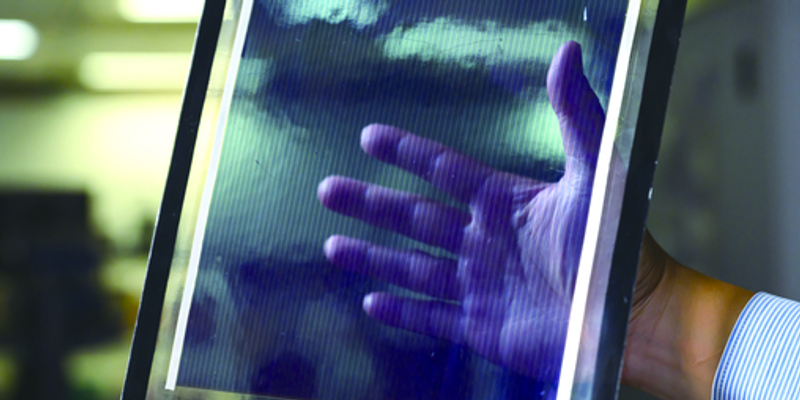
Researchers at Chulalongkorn University used graphene quantum dots as nanoadditives in cement, tailoring interfacial processes during hydration to improve the mechanical performance of the set material.
Researchers have identified several uses for Fullerene C70 in organic photovoltaics, organic electronics, and advanced nanomaterials, noting its unique elongated carbon cage structure and electron-accepting behavior. This matters because C70's distinct optical and electronic properties, compared to C60, make it a valuable material for studying and optimizing charge transport and light absorption in these advanced carbon-based applications.
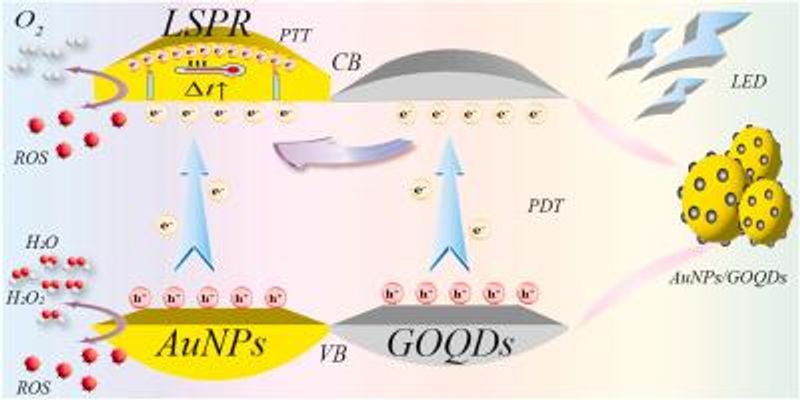
Researchers at Gannan Medical University and Shanghai University developed a gold nanoparticle–graphene oxide quantum dot (AuNPs/GOQDs) Schottky junction nanocomposite that achieved over 97% bacterial eradication in vitro and approximately 99% wound closure in mice within 9 days under 460 nm LED irradiation. The work advances graphene quantum dot applications by demonstrating that pairing GOQDs with AuNPs suppresses charge recombination to boost reactive oxygen species output while simultaneously enhancing photothermal conversion, offering a drug-free pathway to address multidrug-resistant infections.
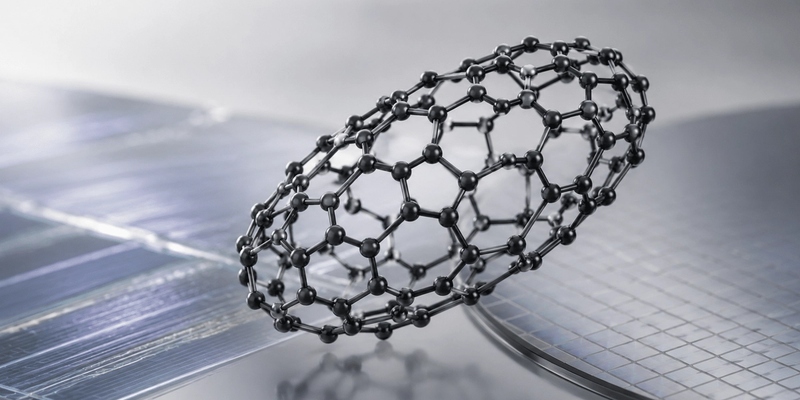
Fullerene C60, a cage-like carbon nanomaterial discovered in 1985, is under active research for applications in organic electronics, photovoltaics, lubricants, coatings, biomedical systems, and perovskite/silicon tandem solar cells. Within the advanced carbon materials sector, C60 occupies a distinct niche from fiber- or graphene-based materials, with its electron-accepting properties and molecular tunability driving continued interest in energy and specialty coating applications.