Park City tests biochar method for fuels work on Thaynes Canyon open space
Park City is piloting biochar production in Thaynes Canyon to reduce wildfire risks and improve soil health. The project covers 200 acres and aims to enhance water retention.
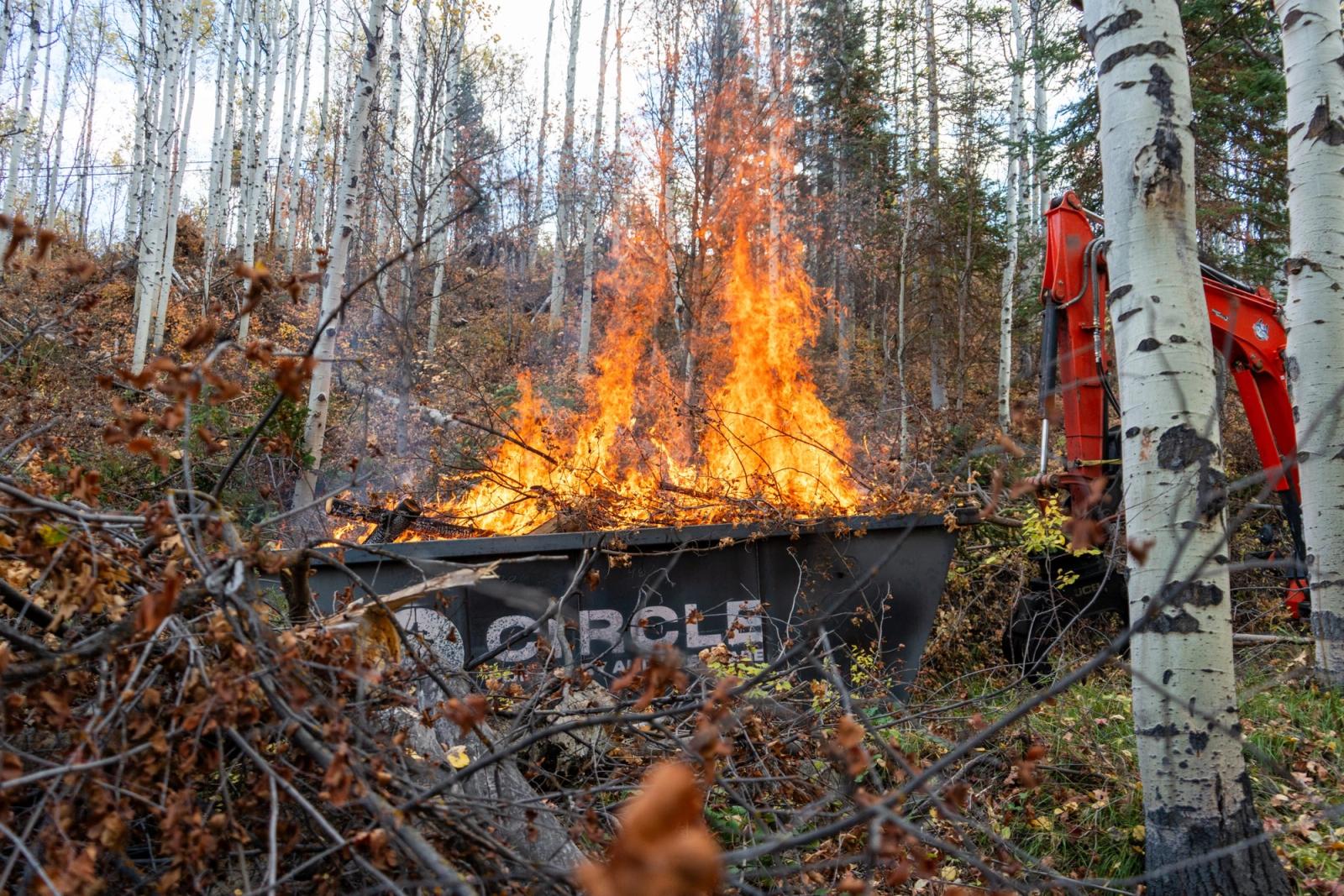
Park City is exploring the use of biochar as a sustainable method for fuels management in Thaynes Canyon. Biochar, a carbon-rich material derived from burning waste products like wood and crop residues, offers a promising solution for carbon retention and soil enhancement. Unlike traditional pile burning, biochar production retains 40-60% of carbon, significantly more than the 1-2% retention from pile burning.
On Wednesday, Park City officials conducted a biochar demonstration on the Armstrong Trail, utilizing portable kilns to convert biomass into biochar. These kilns, such as the 'Ring of Fire' and box kilns, create a flame cap that limits oxygen, allowing biomass to 'cook' rather than burn, thus producing biochar. This method not only retains carbon but also improves air quality by minimizing smoke and harmful emissions.
The initiative, driven by Park City's environmental sustainability project manager Celia Peterson, aims to utilize biochar for multiple applications, including soil amendment, ecological restoration, and watershed protection. The project is part of a broader effort to manage forest overgrowth and reduce wildfire risks in wildland-urban interface areas.
The Thaynes Canyon project, identified as a high-priority watershed, seeks to leverage biochar's water retention capabilities to protect drinking water supplies. This approach is informed by past incidents where wildfires severely impacted water quality, prompting costly infrastructure upgrades.
Supported by a grant from the Climate Smart Communities Initiative, the project involves collaboration with experts like Korina Stark from Circular Spring. The team is exploring the ecological and economic benefits of biochar, aiming to develop a scalable model for other regions. The project will be showcased at the Mountain Towns 2030 climate summit, highlighting its potential for broader application in similar communities.
Source: Biochar Feed