Penn State researchers develop battery-free solar computing chip
Researchers at Penn State have developed a battery-free solar computing chip that integrates silicon photovoltaics, MoS₂/WSe₂ complementary logic, and graphene chemical sensors. This innovation highlights the potential of graphene in enhancing the efficiency and functionality of solar-powered computing devices.
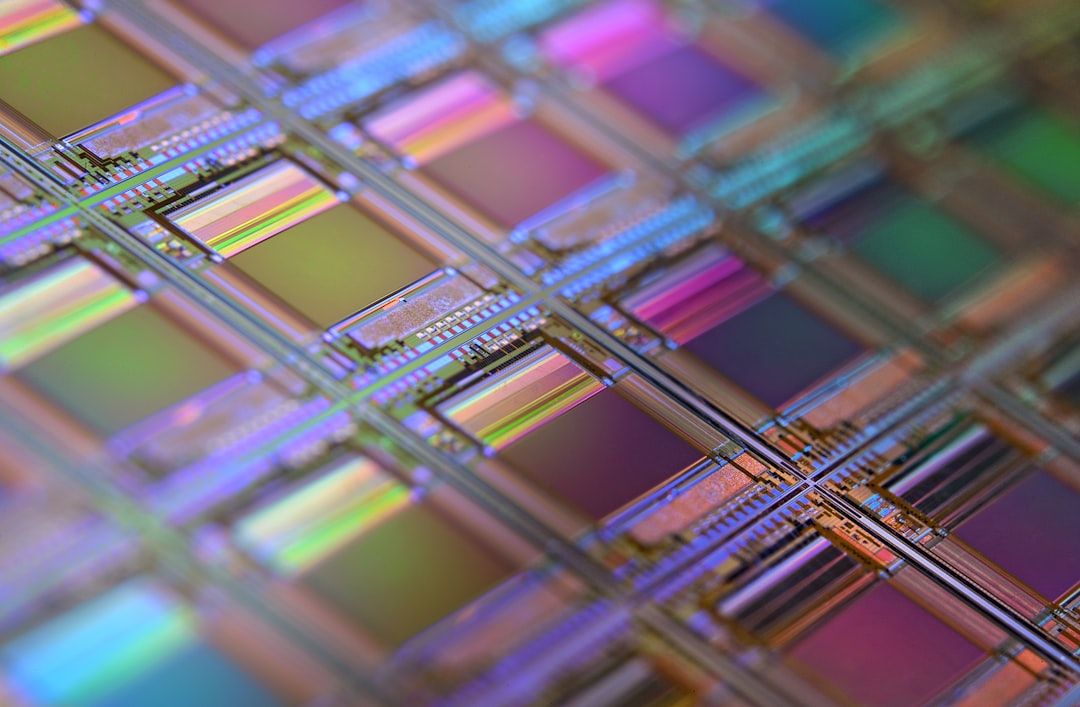
Researchers at Pennsylvania State University have developed a monolithic 3D chip that operates solely on ambient light, eliminating the need for a battery. This integrated circuit performs calculations and chemical sensing by harnessing solar power, reducing the frequency of battery replacements in remote applications.
The chip's design integrates silicon photovoltaics, MoS₂/WSe₂ complementary logic, and graphene chemical sensors within a compact 50-nanometer space. This configuration minimizes board area, wiring losses, and latency compared to traditional battery-powered systems.
The pursuit of battery-free electronics using renewable energy is growing among engineers, particularly for long-lasting Internet of Things (IoT) and edge computing systems. Saptarshi Das, a co-author of the study, explained that the integration of silicon, graphene, MoS₂, and WSe₂ into a monolithic 3D structure enables a self-powered sensing and computing system.
Graphene sensors in the chip detect liquids and transmit electrical signals to the logic layer for data processing. The silicon photovoltaic module at the base converts ambient light into electricity, powering the device and bypassing conventional device architecture.
This development showcases the potential of compact, battery-free chips and suggests the possibility of larger 2D circuits using similar design principles. Future applications could focus on powering IoT systems in areas where battery maintenance is difficult.
Source: Graphene Feed