Pumpkin peel outperforms plastic packaging in lab tests
Researchers at Kyushu University developed a pumpkin peel-based nanomaterial that surpasses plastic in blocking UV light, reducing microbial growth, and preserving antioxidants, offering a sustainable packaging alternative.
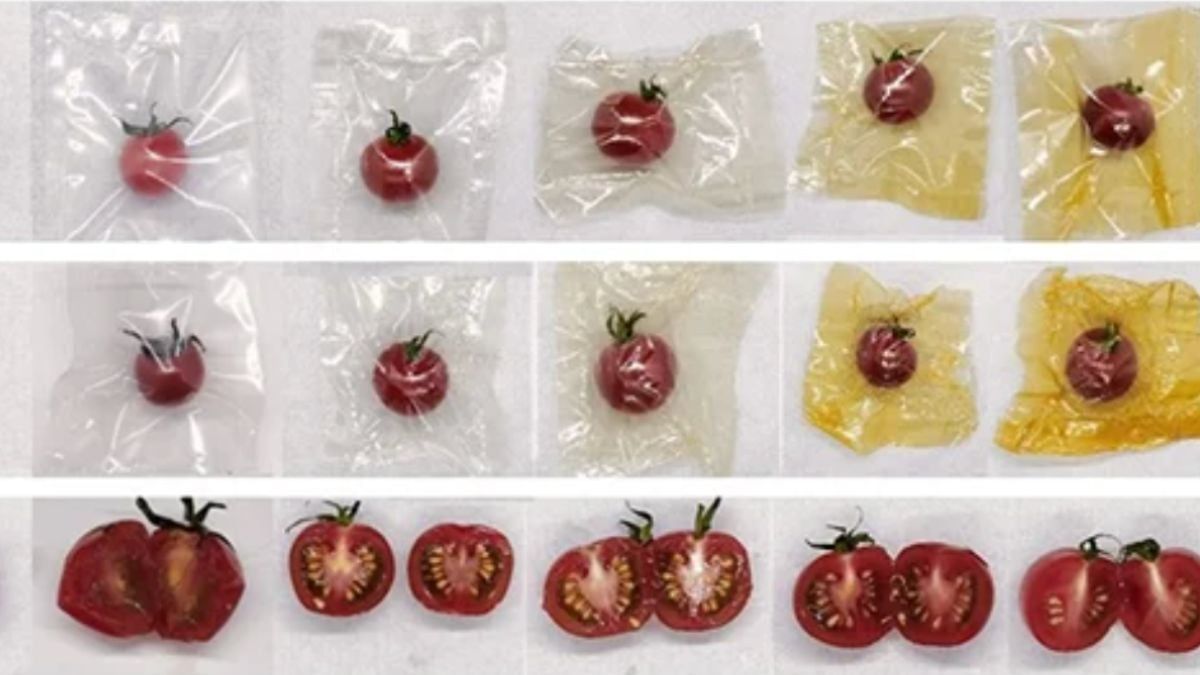
Researchers from Kyushu University in Japan have developed a new food packaging material derived from leftover pumpkin peel, which has shown superior performance compared to conventional plastic in laboratory tests. The study, published in Food Research International, highlights the potential of this natural, nanomaterial-based approach to reduce both packaging and food waste.
The innovative material utilizes carbon quantum dots (CQDs) created from pumpkin peel. These CQDs are formed by heating the peel under high pressure and then freeze-drying it into a fine black powder. When combined with plant fibers and gelatin, the resulting material demonstrated enhanced capabilities in blocking ultraviolet light, inhibiting microbial growth, and preserving antioxidant activity compared to traditional plastic packaging.
Food scientist Fumihiko Tanaka from Kyushu University emphasized the lab's focus on extending the shelf life of agricultural produce while minimizing reliance on petroleum-based plastics. The peel-based material was tested using cherry tomatoes and outperformed both plastic packaging and no packaging in several key areas, although plastic was more effective in limiting moisture loss.
Safety is a critical consideration for the researchers. M.A. Reshaka Kavindi from Kyushu University noted that cell viability tests confirmed the material's non-toxicity at concentrations below 2 mg/mL, with the coating itself being much thinner. The material can also be applied as a spray, offering versatility in protecting specific areas of fruits and vegetables.
The use of CQDs, which are derived from organic matter, presents a more environmentally friendly alternative to conventional antimicrobial packaging that typically relies on metal nanoparticles. Fumina Tanaka from Kyushu University highlighted the good biocompatibility of CQDs at effective concentrations, which is crucial for food contact materials.
While the peel-based packaging is not yet ready for commercial use, the research team is optimistic about its potential. Future developments may include incorporating additional natural agents to enhance protection against mold and scaling up production. Additionally, the CQDs' ability to fluoresce under UV light presents opportunities for innovative applications in food packaging design.
Source: Emerging Nano Carbons