6 articles on Packaging.
An industrial study evaluates graphene masterbatch reinforcement in polyethylene blown film. At a 1% let-down ratio, the study reports mechanical-property gains and demonstrates 10% gauge reduction with retained tensile and puncture performance.

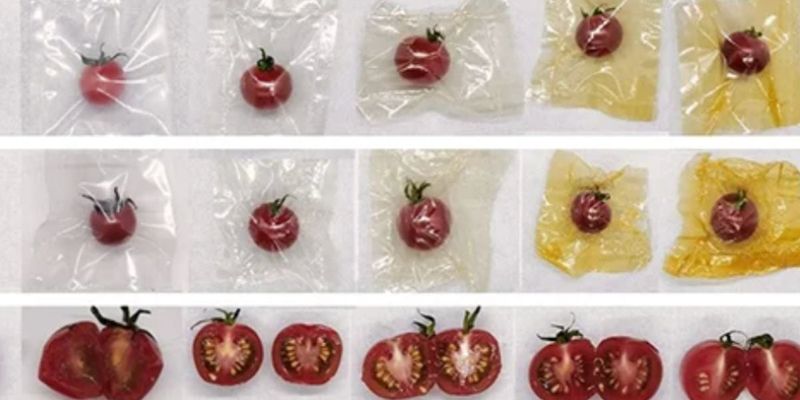
Researchers at Kyushu University developed a pumpkin peel-based nanomaterial that surpasses plastic in blocking UV light, reducing microbial growth, and preserving antioxidants, offering a sustainable packaging alternative.

Coffee!Up in the Czech Republic is transforming used coffee grounds into products like natural soap, coffee oil, biomass, and biochar, as highlighted by the European Commission. This initiative is significant for the advanced carbon materials sector because it demonstrates the potential for waste coffee grounds to be converted into valuable materials such as biochar, which can improve soil health and contribute to carbon sequestration efforts.

Researchers at Concordia University have developed nanocomposites using graphene oxide and reduced graphene oxide embedded in a nanocellulose matrix, achieving high accuracy in predictive modeling with R² > 0.99. This advancement is significant for the field of advanced carbon materials as it demonstrates the potential of these composites in applications such as wearable electronics and biosensors, leveraging the unique properties of graphene oxide and reduced graphene oxide.
Canada's graphene sector has developed across production, construction, filtration, printed electronics, and energy storage, with companies such as NanoXplore operating a 4,000-metric-ton-per-year facility in Montréal and firms like Zentek and Graphene Leaders Canada advancing application-specific products toward commercial deployment. The ecosystem signals a shift from materials science demonstration toward repeatable industrial use cases in carbon-based composites, conductive additives, and separation technologies, though commercial viability still depends on product qualification, standardization, and cost competitiveness against incumbent materials.

Premier Graphene Inc and Mitsubishi Pencil Company signed a joint development agreement to co-develop graphene-based conductive inks for printed electronics, targeting two co-branded product launches in late 2026 with a combined first-year revenue target of 12 million USD. The deal advances commercial adoption of single-layer graphene dispersions in printed electronics applications such as RFID tags, smart packaging, and biosensor electrodes.