Quantum materials discovery may advance electronics for extreme environments
Researchers have shown that graphene nanoribbons may enhance semiconductor technologies, benefiting applications in fusion energy and space environments.
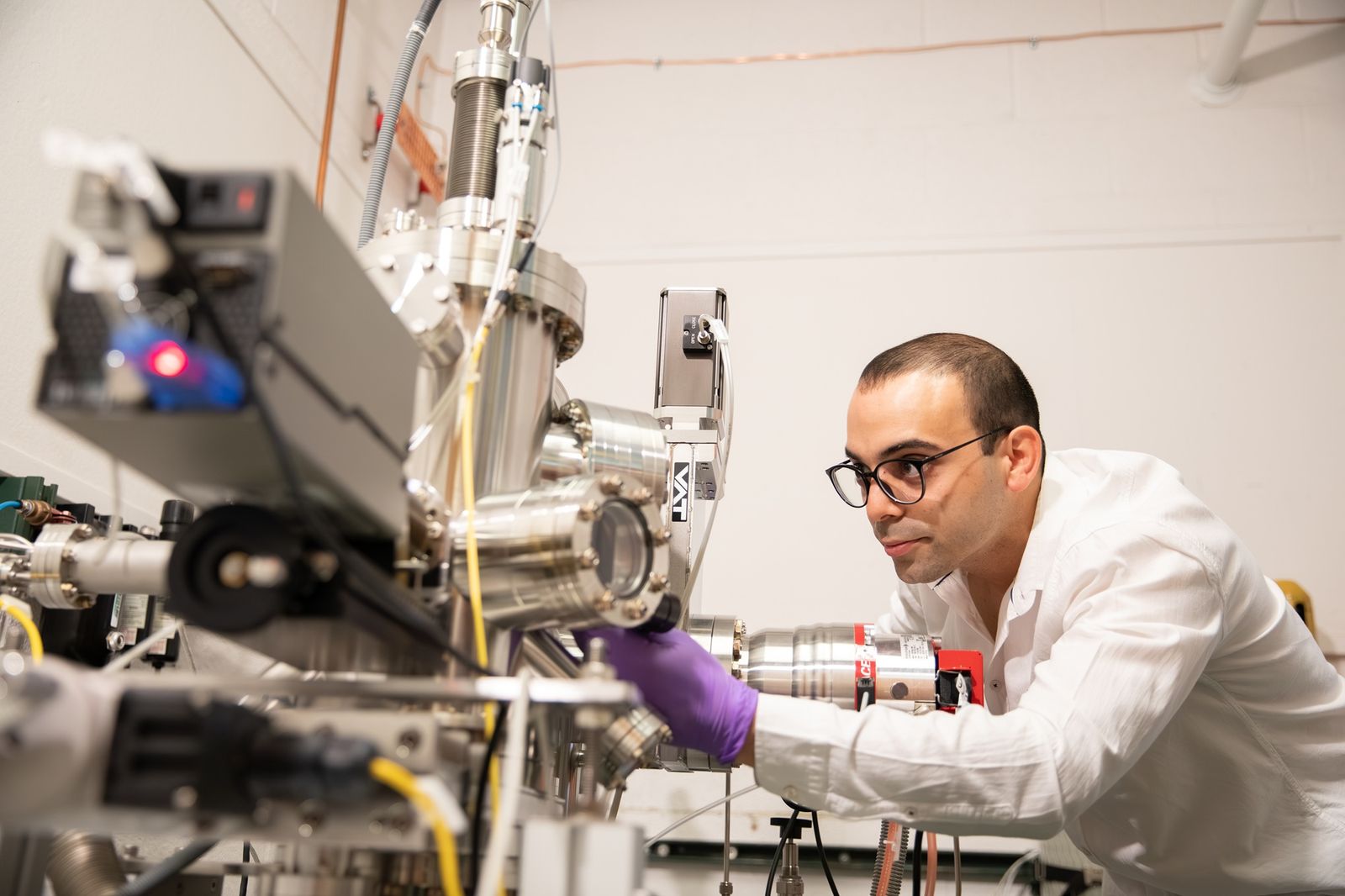
Researchers at the University of Arizona have demonstrated a new application for graphene nanoribbons (GNRs), a nanoscale semiconductor material, in radiation-sensing devices and electronics designed for extreme environments. The study, published in ACS Applied Materials & Interfaces, shows that GNRs could be integrated into semiconductor devices to withstand gamma radiation, potentially serving as radiation sensors in fusion reactors and deep space applications.
The research team, led by Assistant Professor Zafer Mutlu, exposed GNR-based semiconductor devices to gamma radiation. Their findings indicate that while the devices' electrical performance changes significantly, they remain functional, which is desirable for sensor applications. This suggests that GNR-based sensors could be positioned closer to the reactor core than current silicon-based sensors, reducing the need for costly shutdowns and maintenance.
GNRs, known for their microscopic size and durability, are also being explored for their potential to advance chip technology beyond silicon's limits. The University of Arizona team synthesized the ribbons at the molecular level, creating structures nine atoms wide, one atom thick, and about 45 nanometers long. These dimensions allow GNRs to exhibit quantum behaviors, which are crucial for their function as radiation sensors.
The study's results suggest that gamma radiation induces a quantum effect known as Anderson localization in GNRs, trapping electrons and reducing current flow. This response could provide precise data for reactor maintenance. The research, supported by the Semiconductor Research Corporation and the National Science Foundation, is a step towards overcoming engineering challenges in fusion energy and enhancing space systems' resilience to radiation.
Future research by Mutlu and his collaborators will involve testing GNR devices under varying radiation doses and exploring different ribbon sizes. The ability to design materials at the atomic level could lead to customized GNRs for specific applications, such as radiation-resistant semiconductor chips and long-term monitoring devices in space systems.
Source: Graphene Feed