Recovered carbon black process, uses, and India focus
Recovered carbon black from truck tyres has a higher fixed carbon content and lower ash percentage compared to that from car tyres.
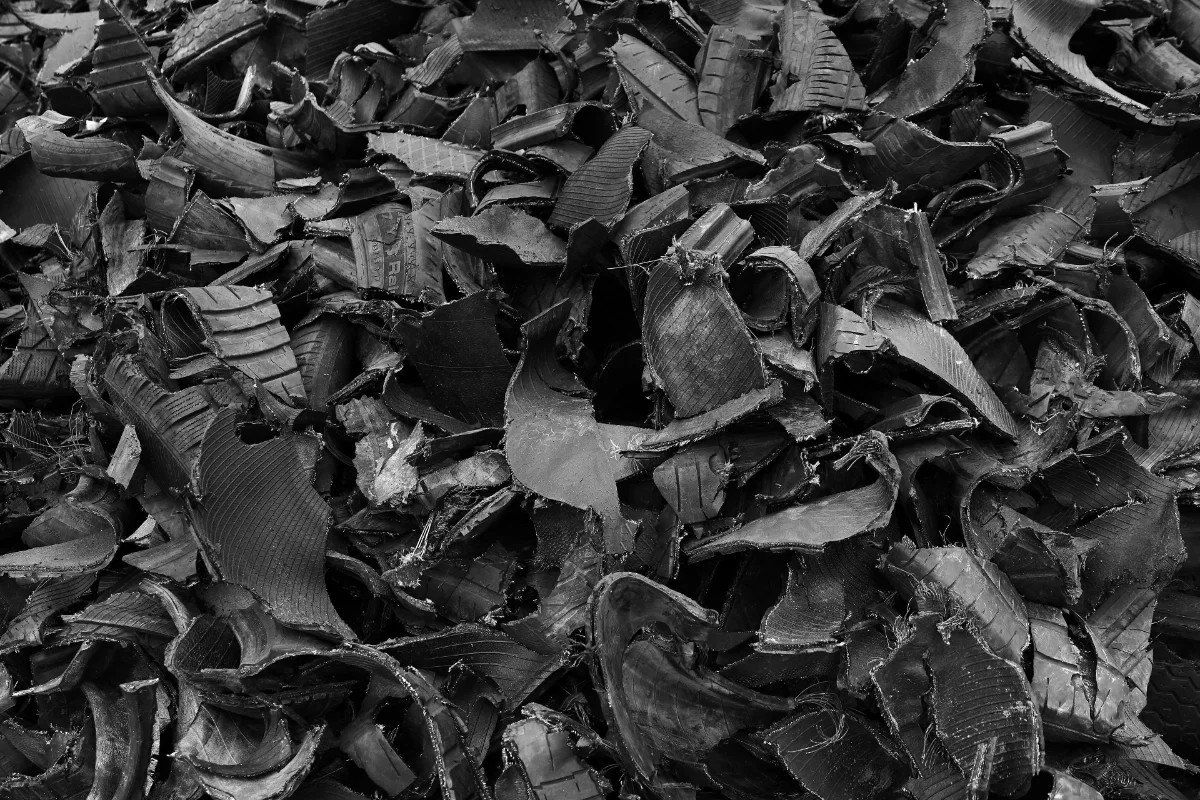
Recovered carbon black (rCB) is derived from end-of-life tyres through a process of pyrolysis, where the rubber is heated without oxygen, leaving behind solid char. This char is then milled, pelletised, and sometimes demineralised to produce rCB, which can be used in rubber, plastics, and inks. Despite containing up to 20% ash, rCB can perform comparably to N550 and N660 grades of virgin carbon black, while offering an approximately 80% reduction in CO₂ emissions.
Carbon black constitutes about 15–20% of a car tyre. However, less than 1% of the carbon black in new tyres is sourced from recycled tyres, as highlighted by Bridgestone and Michelin in their 2023 white paper. rCB is defined by ASTM International in ASTM D8178, a standard maintained by Committee D36, which was established in 2017 specifically for rCB.
A 2025 study indicates that rCB from truck tyres contains 79.0% fixed carbon and 18.9% ash, compared to 67.6% fixed carbon and 30.8% ash from car tyres. To achieve ash content below 20%, a feedstock of at least 91% truck tyres is necessary. The oil produced during this process is discussed in our guide to tyre pyrolysis oil.
ASTM now classifies rCB used in rubber products under ASTM D8632, with lab tests showing that high-quality rCB falls between the N550 and N770 furnace grades. Many compounders begin with blends, replacing 10–20% of virgin carbon black in most rubber applications, and up to 30% or more in some cases. Samsuri reports full replacement is feasible in pre-cured treads and NBR hose liners, and nearly complete in O-rings. Prior to this classification, the 2023 white paper had suggested letter grades for rCB.
A 2019 life-cycle assessment by IVL, the Swedish Environmental Research Institute, and rCB producer Enviro, conducted to ISO 14040/44 standards, found that rCB's carbon footprint is 79–84% lower than that of virgin carbon black, saving 1.43–2.00 kg of CO₂e per kg of rCB. Bridgestone and Michelin's white paper suggests savings of up to 85%, with the rCB market potentially reaching 1 million tonnes by 2030. For tyre manufacturers aiming to meet recycled-content targets, rCB also offers reductions in Scope 3 emissions.
India's Extended Producer Responsibility (EPR) regulations favor rCB over pyrolysis fuel. According to Schedule IX, processing 100 tonnes of tyres into rCB earns 125 tonnes of EPR certificates, compared to 80 tonnes for pyrolysis oil and char from a continuous plant and 50 tonnes from a batch plant. Pyrolysis oil and char are restricted to use as fuel, while rCB can be sold only to manufacturers.
In India, pyrolysis processes about 2.68 million tonnes of the estimated 3 million tonnes of tyres recycled annually. NITI Aayog has proposed quality standards for both pyrolysis oil and rCB. Challenges include maintaining consistent feedstock, controlling ash content, standardizing test methods, and managing PAHs and heavy metals.
For insights into how other regions address tyre waste, consider examining the approaches of Europe, India, and the USA. Those considering investments in this sector can refer to our guide on starting a tyre recycling business in India.
We are establishing a tyre pyrolysis plant in Soniyana, Bhilwara, Rajasthan, complementing our crumb rubber facility in Alwar. We invite rubber, plastics, and ink manufacturers to trial rCB and seek investors interested in a pyrolysis partnership. For inquiries about rCB supply or partnerships, contact us at [email protected] or call +91 90575 99924.
Source: Biomass & Recycled Carbons Feed