Research collaborations help Goodwill divert waste
Researchers at Western University have partnered with Goodwill to reduce textile waste by using biochar and AI-powered sorting technologies. This collaboration is significant for the advanced carbon materials sector as it demonstrates a novel application of biochar in waste management, potentially increasing demand for biochar production.
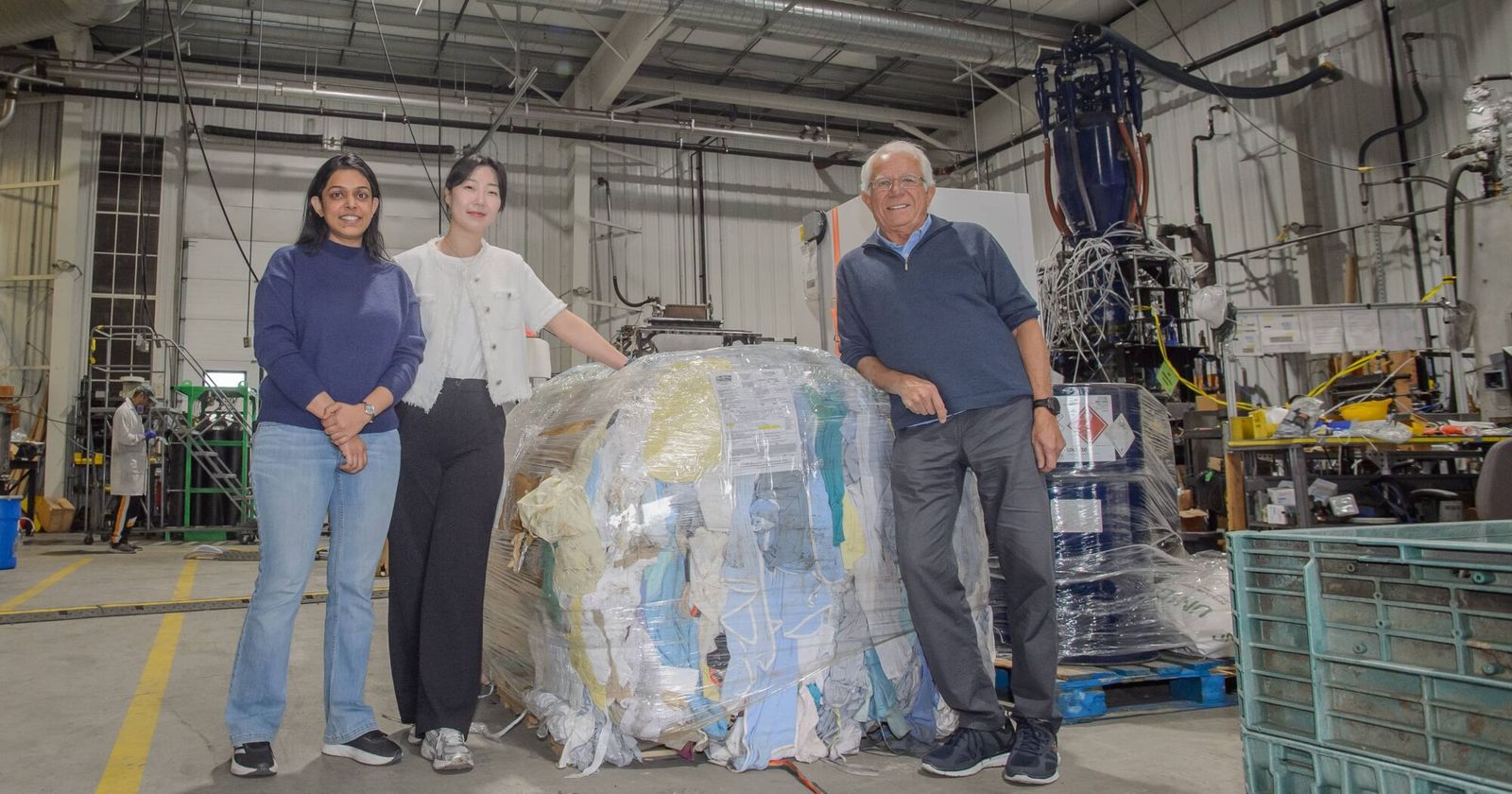
Goodwill Industries of Ontario Great Lakes is addressing the challenge of waste management by collaborating with Western University and Fanshawe College to develop innovative recycling solutions. A key focus is on transforming textile waste into biochar, a carbon-rich material that enhances soil quality. This initiative is part of Goodwill's broader effort to recycle and divert waste from landfills.
The Ontario Great Lakes region received over 43 million pounds of donations last year, a significant portion of which cannot be resold or reused. To manage this volume, Goodwill has partnered with Western’s Institute for Chemicals and Fuels from Alternative Resources (ICFAR) and Fanshawe College researchers. Franco Berruti, ICFAR's founding director, highlights the use of pyrolysis to convert textile waste into biochar, which can improve plant growth by retaining nutrients in the soil.
Heejin Lee, a postdoctoral research associate at Fanshawe, explains that textile waste is challenging to recycle due to its mixed fiber content. Pyrolysis offers a solution by breaking down these materials into biochar, which can trap carbon in the soil, providing both environmental and economic benefits. Neha Batta, a postdoctoral fellow at ICFAR, is exploring enzyme-based methods to break down natural fabrics into sugars for further applications.
These projects, still in early stages, have diverted 5,000 pounds of clothing waste from landfills. Goodwill aims to scale these efforts to address the remaining 25% of textiles that cannot be resold. Additionally, Western engineering professor Min Xia is developing an AI system to enhance Goodwill's sorting process. This system uses smart cameras to categorize donations, aiming to improve efficiency and reduce landfill waste.
Xia's AI initiative aligns with Goodwill's mission to support underemployed individuals by enhancing, not replacing, their work. The AI system is expected to be fully operational within a year, contributing to a more sustainable and circular economy.
Source: Biochar Feed