Sugar-coated carbon nanotubes release chemotherapy in tumor-like acidity
Researchers developed pH-responsive carbon nanotube-based nanocarriers that release chemotherapy drugs in acidic tumor-like environments.
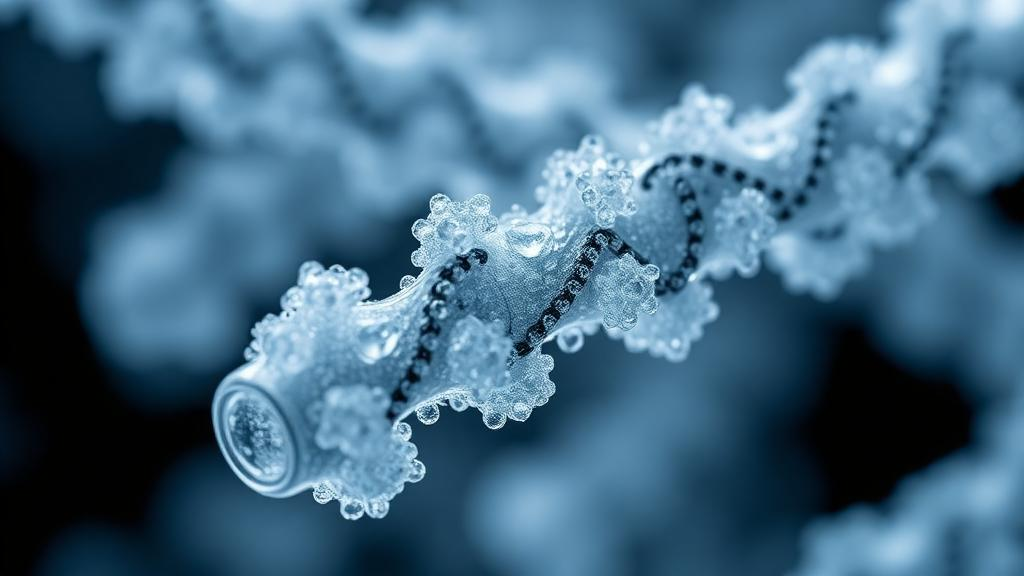
Researchers have developed a novel nanocarrier using single-walled carbon nanotubes for targeted chemotherapy drug delivery. Detailed in the Journal of Saudi Chemical Society, the platform, named OXSWCNT–PEI–GlcA, utilizes carbon nanotubes wrapped in a cationic polymer and capped with a sugar-derived ligand to efficiently load and release the anticancer drug 5-fluorouracil under acidic conditions typical of tumor tissues. This design achieved a drug loading efficiency of 88% and demonstrated a significant release differential, with 88% of the drug released at pH 5.6 compared to 52% at pH 7.4, potentially minimizing damage to healthy cells.
The nanocarrier's construction involved a three-step chemical process starting with the oxidation of carbon nanotubes to introduce carboxyl and hydroxyl groups. These sites facilitated the grafting of branched polyethyleneimine (PEI) using epichlorohydrin. Finally, glucuronic acid was conjugated to the scaffold, creating a nanotube with a biologically targeted, pH-responsive outer layer.
The targeting mechanism exploits cancer cells' high glucose uptake, known as the Warburg effect, by using glucuronic acid as a ligand for glucose transporters like GLUT1. This approach aims to enhance drug delivery to tumor cells while the PEI layer responds to acidic environments, promoting drug release.
Characterization techniques confirmed the integrity of the nanotubes post-modification. Fourier-transform infrared spectroscopy and X-ray diffraction showed successful chemical modifications without damaging the carbon framework. Electron microscopy and energy-dispersive X-ray analysis further validated the presence of the polymeric coating and the altered chemical composition.
Adsorption experiments revealed optimal drug loading at pH 4, with a capacity of 17.6 mg/g and 88% efficiency. The process followed a pseudo-second-order kinetic model, indicating chemical bond formation as the rate-limiting step. The Freundlich isotherm described the adsorption equilibrium, consistent with the multilayer polymeric coating.
Thermodynamic analysis showed the process is exothermic and spontaneous, with a negative entropy change suggesting ordered drug arrangement on the modified surface. This molecular confinement may stabilize drug-carrier interactions, reducing premature release.
Release experiments demonstrated the carrier's pH-responsive behavior, with significantly higher drug release in acidic conditions. The mechanism involves protonation of PEI amine groups, leading to polymer expansion and enhanced drug release.
Biological testing on HT-29 colorectal cancer cells indicated the carrier's cytocompatibility and the drug-loaded formulation's efficacy, with a concentration-dependent reduction in cell viability. The study highlights the need for further research into cellular uptake and in vivo evaluation to confirm therapeutic potential.
This research underscores the potential of carbon nanotube-based nanocarriers in developing stimulus-responsive cancer therapies, offering a promising approach to targeted chemotherapy delivery.
Source: Carbon Nanotubes Feed