Turning ginger waste into biobriquettes
Researchers at the National Research and Innovation Agency have developed biobriquettes from ginger rhizome waste, offering an alternative energy source. This innovation not only reduces environmental pollution from ginger waste but also supports the clean energy transition by utilizing biochar derived from lignocellulose-rich materials.
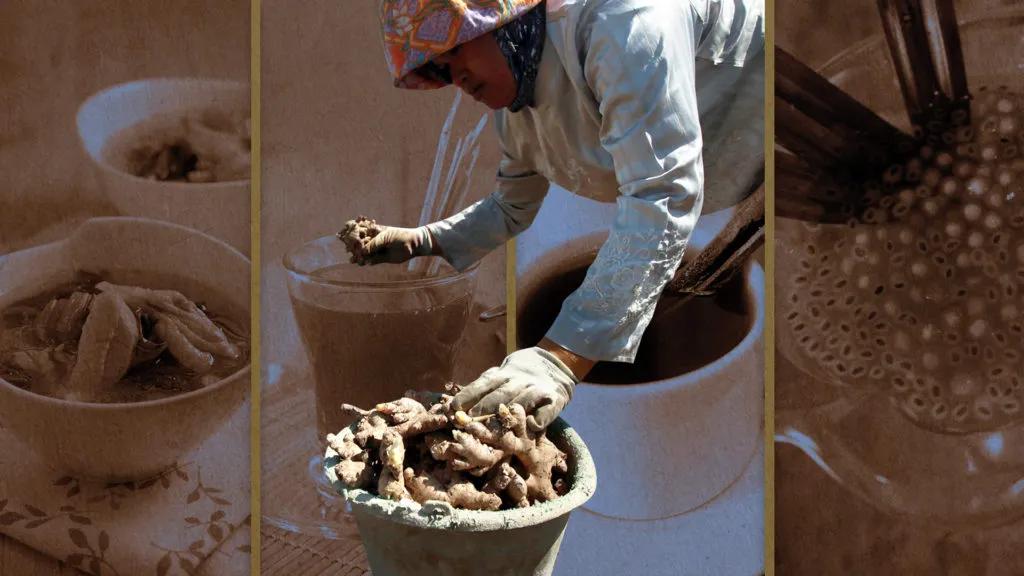
Researchers at the National Research and Innovation Agency (BRIN) have developed biobriquettes from ginger rhizome waste, offering a sustainable energy source. This initiative not only reduces waste but also supports the transition to clean energy and promotes a circular economy.
Ginger, widely used for essential oils and herbal products, often leaves behind substantial waste. Typically, only 2-3% of ginger is utilized in oil extraction, leaving the rest as waste. This waste, if not managed, can lead to environmental pollution.
Anny Sulaswatty and her team at BRIN's Molecular Chemistry Research Center have processed ginger rhizome waste into biobriquettes. These biobriquettes meet the required carbon value, as ginger waste contains 45.98% lignin, making it suitable for solid fuel production. The process involves drying, grinding, and pyrolyzing the waste to produce biochar, which is then mixed with tapioca adhesive and molded into briquettes.
The resulting biobriquettes have low moisture content and high calorific value, making them efficient as fuel. Comprehensive testing has been conducted, including analyses of moisture, ash, volatile matter, fixed carbon, and calorific value. The next step involves field testing to evaluate performance in real-world conditions.
This research aims to address waste issues in the essential oil industry and facilitate a transition to renewable energy. The development of biobriquettes from agricultural waste like ginger rhizomes could reduce reliance on fossil fuels and add value to the agricultural sector.
Anny highlighted the need for collaboration among government, industry, and academia to support the widespread adoption of this technology. BRIN's Director of Environmental Policy, Ratih Damayanti, emphasized the importance of research-backed policies to achieve a sustainable energy transition in Indonesia.
Source: Biochar Feed