Used coffee grounds charred at 350°C to create charcoal-like material
Researchers increased concrete's compressive strength by 29.3% by replacing 15% of sand with biochar from coffee grounds, charred at 350 degrees Celsius.
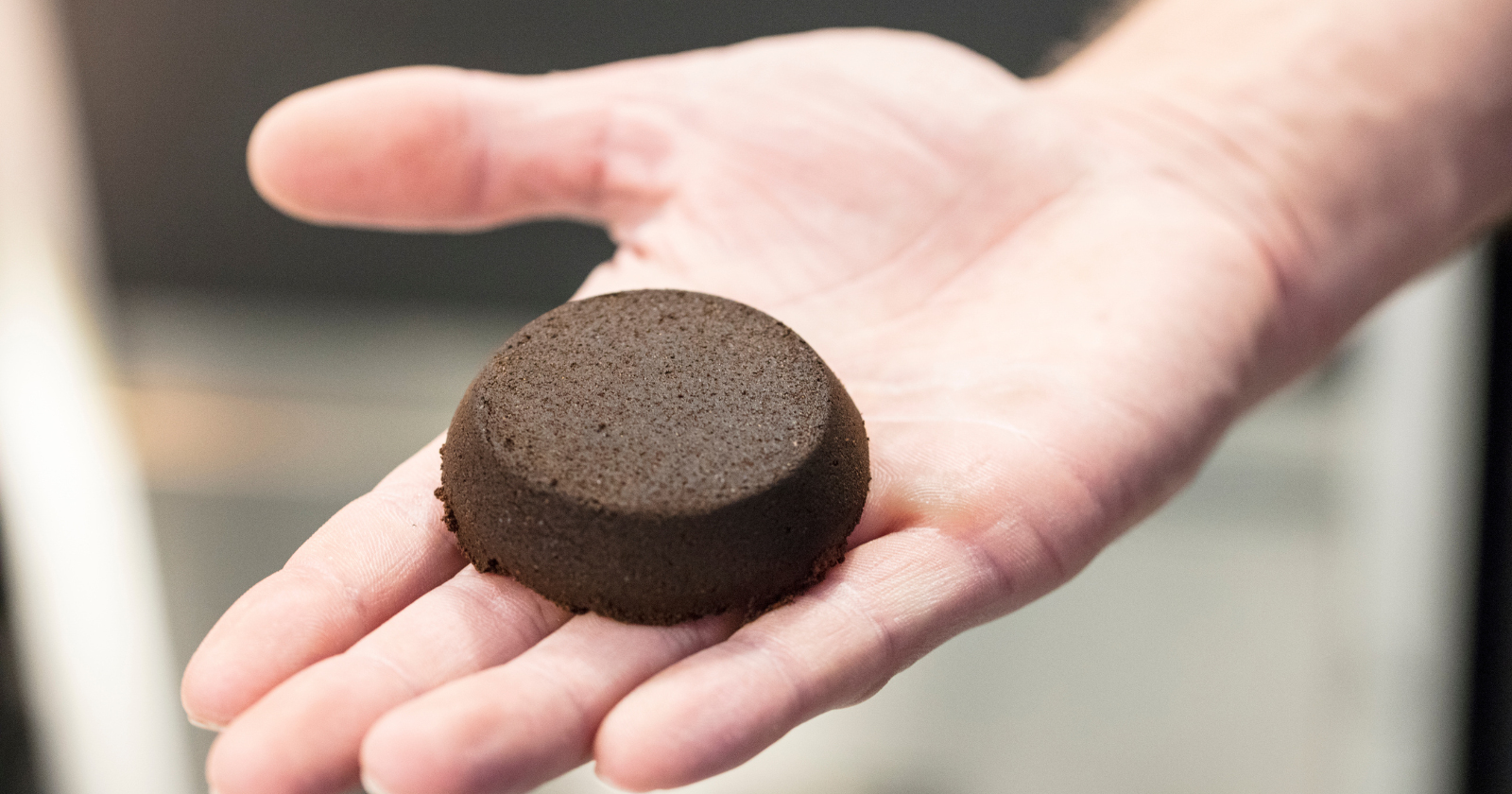
Researchers at RMIT University in Melbourne have discovered that biochar derived from used coffee grounds can significantly enhance the strength of concrete. The team charred the coffee grounds at 350 degrees Celsius in an oxygen-free environment, creating a carbon-rich biochar. This material was then used to replace 15 percent of the natural sand in a concrete mix, resulting in a 29.3 percent increase in compressive strength compared to a standard sand mix. These findings were published in the Journal of Cleaner Production in 2023.
The study addresses two environmental challenges: the disposal of organic waste and the scarcity of construction-grade sand. Raw coffee grounds cannot be directly added to concrete as they release organic compounds that weaken the mix. However, the charring process transforms the grounds into a suitable biochar that integrates well with cement. This approach not only diverts waste from landfills but also reduces greenhouse gas emissions, as noted by lead author Dr. Rajeev Roychand.
Biochar's effectiveness was influenced by the charring temperature. At 350 degrees Celsius, the biochar outperformed that produced at 500 degrees, which showed more porosity and micro-cracking due to thermal breakdown. This suggests that higher temperatures compromise the structural integrity of the biochar, reducing its ability to strengthen concrete.
The global construction industry consumes approximately 50 billion tonnes of natural sand annually, primarily sourced from riverbeds. This extraction poses significant environmental and supply challenges. Professor Jie Li highlights the potential of a circular-economy approach, where organic waste is repurposed to preserve natural resources like sand.
While the lab results are promising, the study's authors, including Dr. Shannon Kilmartin-Lynch, caution that further research is needed to assess the long-term durability of coffee biochar concrete. The team is conducting real-world trials, including a footpath made from the material, and a life-cycle study that reported carbon emission reductions when biochar replaced sand.
The research marks an initial step towards sustainable construction materials, but further durability testing and scalability assessments are necessary before widespread application. The concept of integrating coffee waste into concrete has shown potential, but the journey from lab to industry is ongoing.
Source: Biochar Feed