Why A Boeing 787 Or Airbus A350 Tail Strike Means Weeks In The Hangar While A 777 Does Not
The Boeing 787 and Airbus A350 use carbon-fiber-reinforced composite materials for roughly 50% of their airframe by weight, making tail strike damage harder to detect and repair than on metal-fuselage aircraft like the Boeing 777, as illustrated by an Air France A350 that required nearly ten months of repairs after a 2024 tail strike in Toronto. For the carbon fiber composites sector, the article highlights that barely visible impact damage, complex non-destructive inspection requirements, and process-sensitive repair procedures drive significant maintenance downtime and cost, underscoring the need for advanced damage detection and repair capabilities in aerospace composite applications.
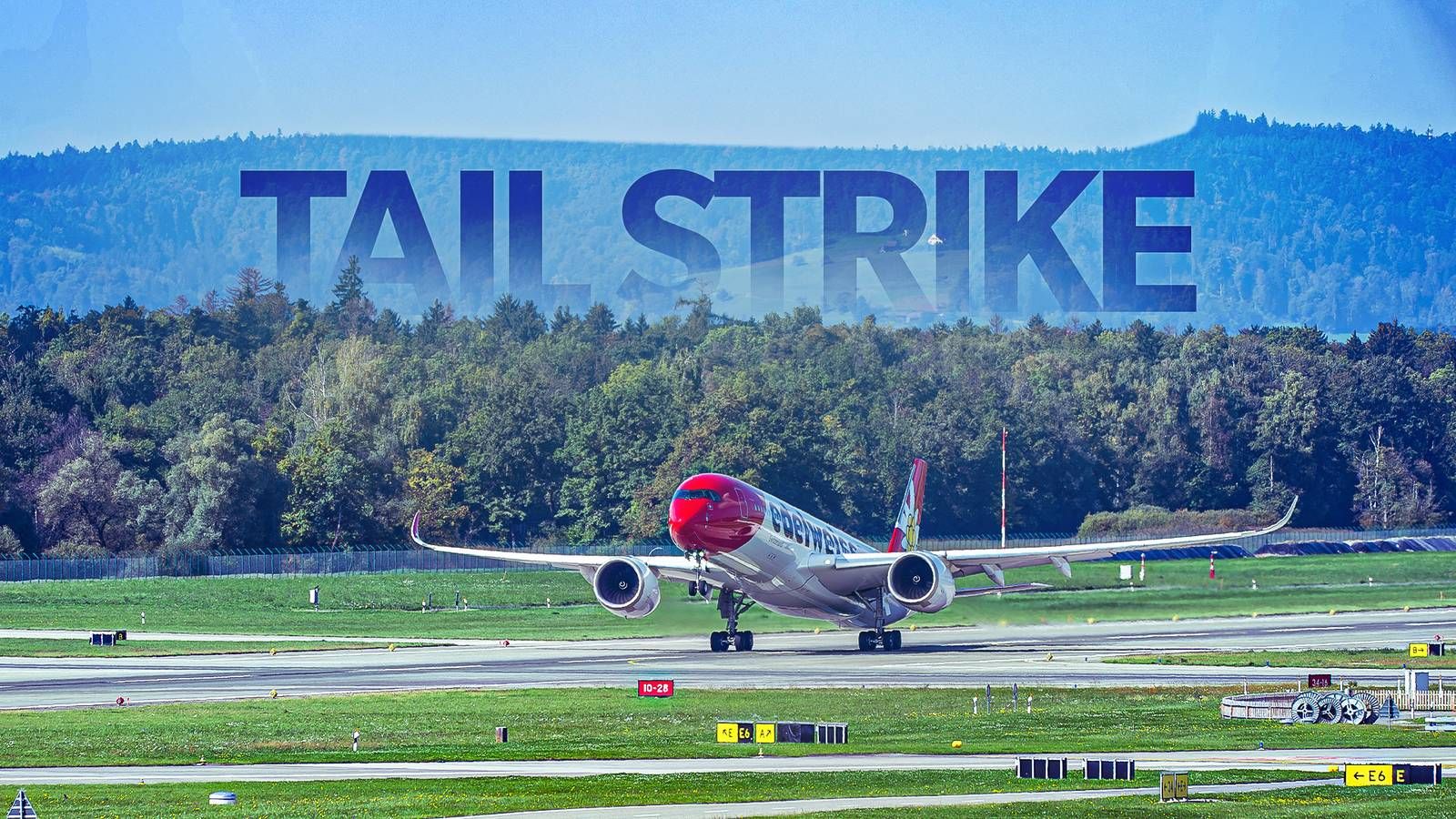
Modern widebody aircraft like the Boeing 787 and Airbus A350 incorporate significant amounts of carbon-fiber composite materials. These composites are essential for reducing aircraft weight compared to older models. However, they present challenges in detection and repair following incidents, unlike traditional metal airframes. For instance, a Boeing 777 tail strike may be repaired in days if damage is minor, while severe cases can ground the aircraft for months. This is more common with the Boeing 787 and Airbus A350, which are approximately 50% composite by weight.
The use of carbon-fiber-reinforced plastic in these aircraft reduces weight, lowers fuel consumption, and enhances corrosion resistance. This is a key factor in their popularity among long-haul operators. However, when the rear fuselage is damaged, such as in a tail strike, the inspection and repair process becomes more complex. Despite rigorous structural testing and certification, composite aircraft can be harder to assess and repair than older metal models like the Boeing 777.
A tail strike occurs when the rear fuselage contacts the runway during takeoff, landing, or a go-around. Minor damage may be limited to the tail skid, but severe cases can significantly damage the fuselage structure, affecting cabin pressurization. Boeing has warned that unrepaired tail-strike damage can become serious if the aircraft continues flying with damage to the pressurized fuselage. Engineers must ensure the aircraft can withstand repeated pressurization cycles and structural stresses after a tail strike.
The primary difference between metal and composite fuselages is how impact damage manifests. Metal aircraft damage is often visible, with dents or cracks providing a clear starting point for repairs. Composite structures, however, can hide damage beneath the surface, such as microscopic cracks or debonding. This necessitates extensive testing to determine the extent of damage and its impact on the load-carrying structure, resulting in additional downtime for airlines.
Non-destructive inspection methods like ultrasonic testing and radiography help engineers assess the structural integrity of composite aircraft. These tests determine if the damage is limited or extends into deeper layers of the fuselage. Consequently, repairing a composite aircraft after a tail strike can be a time-consuming process.
While the Boeing 777 is not simple to repair, its aluminum fuselage makes certain damage types easier to inspect and repair. Some variants, like the Boeing 777-300ER, have tail skid systems to reduce tail strike severity. However, a 777 tail strike is not automatically a quick repair if the damage is extensive.
Barely visible impact damage complicates repairs on composite aircraft like the A350 after rough landings. Once damage is identified, composite repairs can be more complex than metal ones. Technicians must remove damaged material, add new composite layers, and use specialized techniques. This process is sensitive to factors like material handling and technician training, often requiring specialist facilities and extended hangar time.
Examples include a LATAM Airlines Boeing 777-300ER tail strike at Milan Malpensa in July 2024, which required significant attention despite being a metal-fuselage aircraft. An Air France Airbus A350 tail strike at Toronto Pearson in January 2024 resulted in extensive repairs, with the aircraft returning to service ten months later. Such downtime is costly for airlines, as high-value assets like the A350 or 787 generate revenue only when operational.
Composite damage complexity extends beyond tail strikes to routine ground incidents, which can be more expensive and time-consuming than they appear. Minor ground impacts can go unreported, with damage only discovered after several rotations. Repairs to composite structures often require complex procedures, increasing operational impact. This necessitates a strong safety culture among airlines, ground handlers, and maintenance teams.
The Boeing 787 illustrates that composite-heavy aircraft require different maintenance considerations. A proposed FAA directive highlighted corrosion issues linked to aluminum and carbon fiber interaction in wet environments, unrelated to tail strikes but underscoring the need for early damage detection and understanding material interactions to ensure safe return to service.
Source: Carbon Fiber Feed