
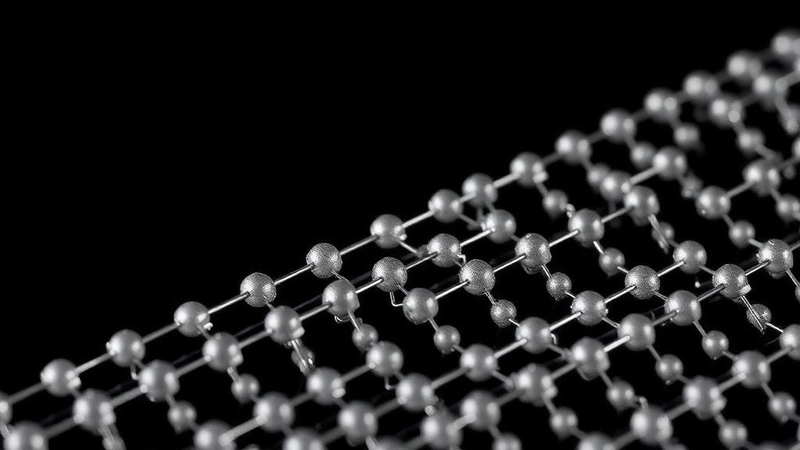
Palladium outperforms platinum for peroxide sensing in carbon nanotube hybrid
Researchers found that palladium black outperforms platinum in hydrogen peroxide sensing when used in carbon nanotube composite electrodes.
What We Offer
Carbon-based thermal interface and dissipation solutions for high-density AI hardware.
Shielding and conductivity solutions for dense electronic environments.
Material strategy for the physical build-out of hyperscale and edge facilities.
Carbon's role in the semiconductors and interconnects underpinning digital infrastructure.
AI and Digital Infrastructure focuses on the physical materials behind the digital economy: the batteries and thermal management that keep data centres running, the EMI shielding and high-frequency electronics that protect signal integrity, and the sensors and interconnects that advanced carbons are beginning to reshape. Graphene, carbon nanotubes and related materials are moving from the laboratory into components at exactly the point where compute demand is accelerating.
The ACC role is to make that adoption defensible. The ISO-based classification framework gives engineers a precise way to describe what they are specifying, the in-person verification programme checks that a producer can actually deliver it, and independent testing across validated methods confirms performance before it reaches a product. Reference work such as the graphene report programme and the Council vetted company profiles give buyers a grounded view of who the credible suppliers are.
The division follows the applications where advanced carbons and digital infrastructure meet, from battery electrodes and thermal interface materials to EMI shielding, electronics and sensing, and links them to the specialists and testing capacity across the more than forty verticals the ACC covers. For teams building the hardware layer of AI, it is a route to qualified materials and the evidence to stand behind them.
Latest coverage
Reporting, analysis and policy the ACC is tracking across the topics and applications most relevant to this division.
Researchers found that palladium black outperforms platinum in hydrogen peroxide sensing when used in carbon nanotube composite electrodes.
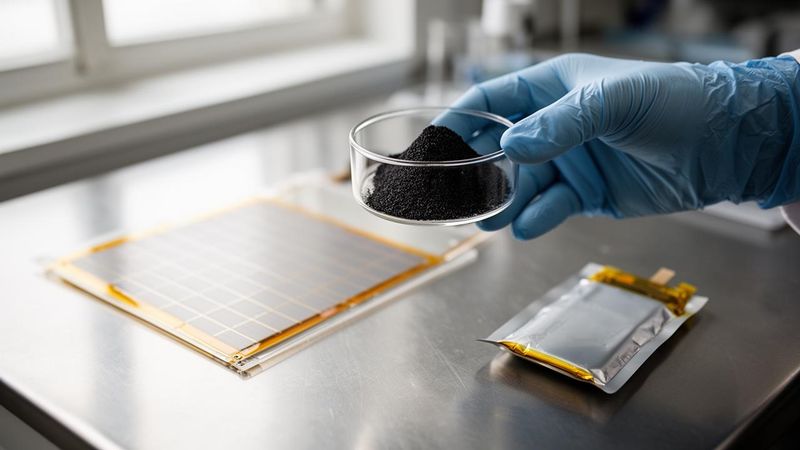
SK On has created a process to replace costly carbon nanotube paste with powder in LFP battery cathodes, reducing production costs.
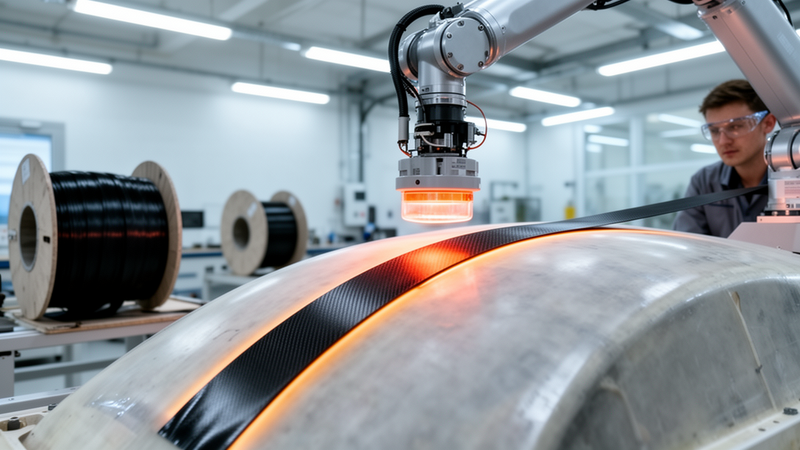
Researchers demonstrated improved mechanical properties in carbon fiber-polycarbonate composites using infrared-assisted automated fiber placement, highlighting its potential for semi-structural applications in aerospace and automotive industries.
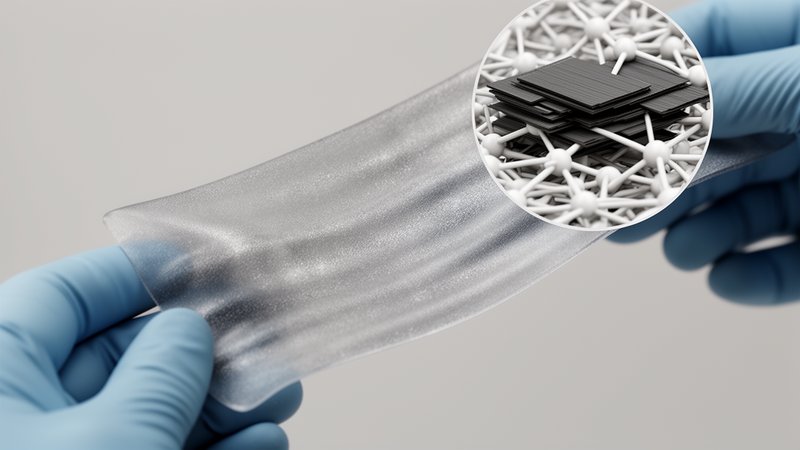
Researchers developed a biodegradable hydrogel combining Ti3C2Tx MXene and bacterial cellulose, potentially enhancing wound care and wearable technology applications.
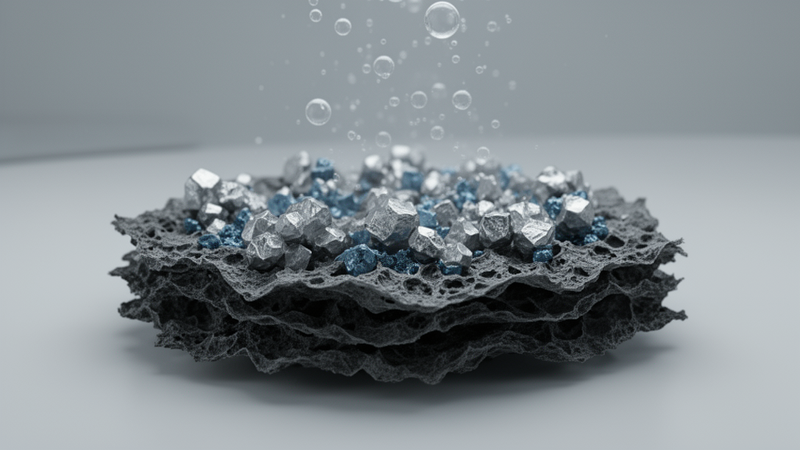
Researchers created a hybrid electrode with nickel cobalt oxide and cadmium oxide on reduced graphene oxide, achieving 2700 coulombs per gram in charge storage for supercapacitors.
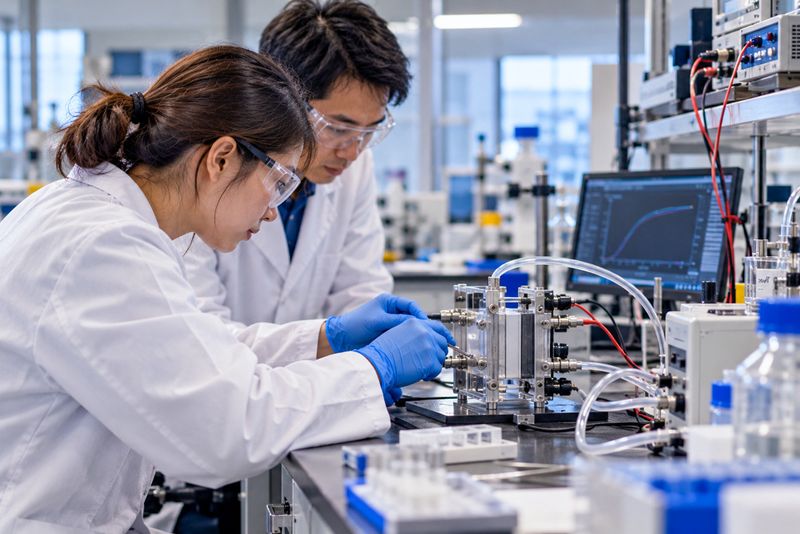
Chinese researchers achieved 98% energy recovery in a rechargeable zinc-air battery using a fluorine-engineered graphene catalyst.
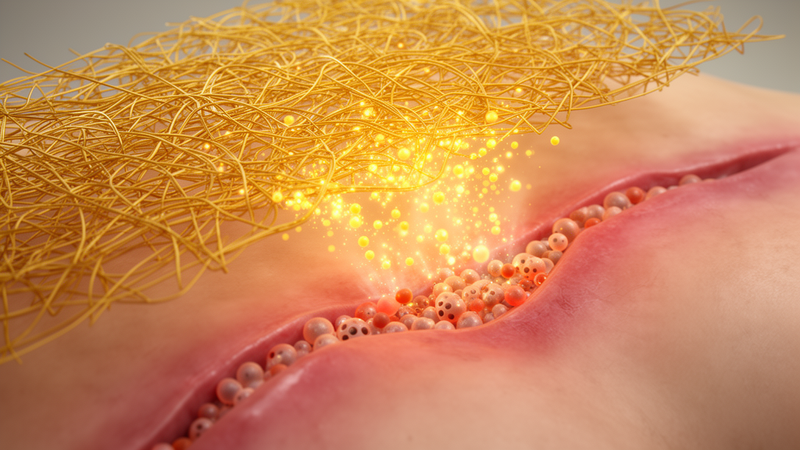
Researchers in China developed a nanofiber scaffold combining carbon nanotubes and curcumin, significantly accelerating infected wound healing in rats, with wounds nearly closing in two weeks.

Researchers at Gauhati University review advances in wearable sensors using 2D materials like graphene. These sensors detect VOCs and humidity, offering potential for non-invasive health diagnostics.
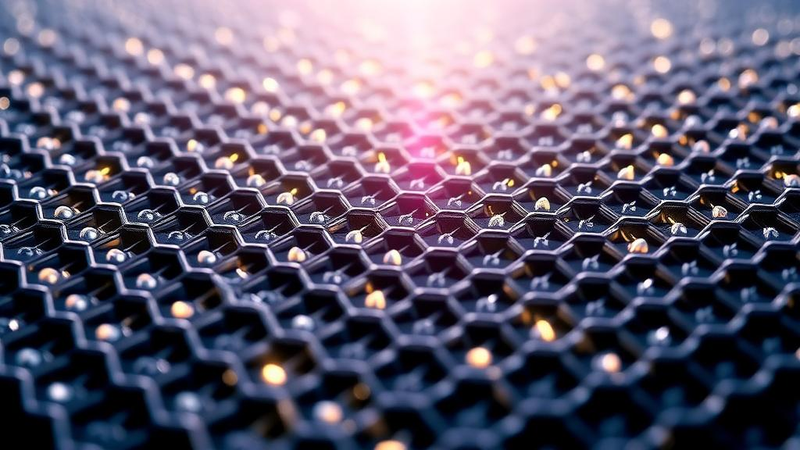
Researchers developed a one-step method to convert CO2 into 3D graphene with a tunable structure, achieving over 200 mAh/g at 150C in lithium-ion battery anodes.
Get updates on advanced carbon materials. Choose your interests in the preference centre.
Access market intelligence, standards, and the global carbon materials network.
Become a member