News & Intelligence

Original reporting and market intelligence on advanced carbon materials.

Full intelligence on every material

For in-depth production methods, pricing dynamics, applications by sector, and verified company profiles, explore the ACC market reports covering each advanced carbon material.

View market reports

Materials
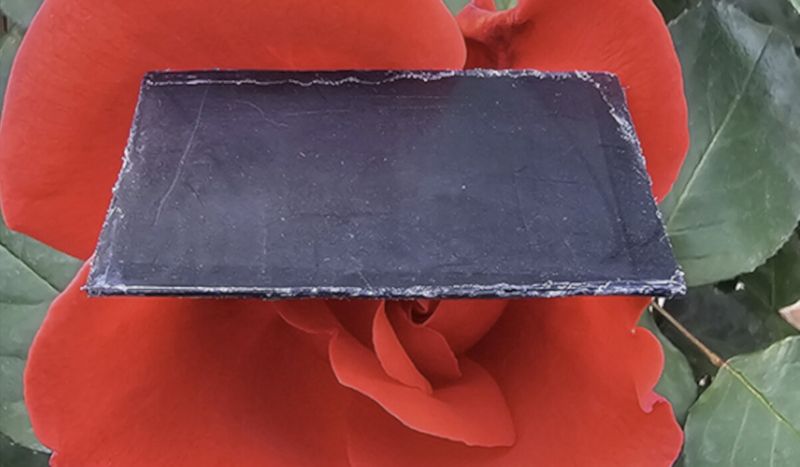
Coverage forAI and Digital InfrastructureClear ×
Composites narrow thermal gap between CFRP and CMC
News16 July 2026

Composites narrow thermal gap between CFRP and CMC

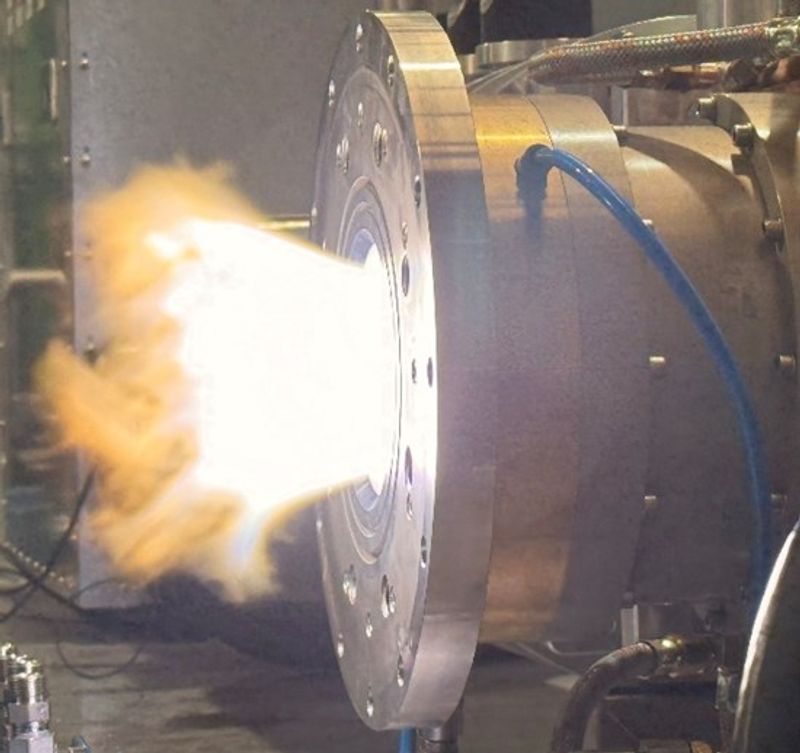
CompositesWorld reports that new composite materials marketed as PyroKarb, PyroSic, and PyroXide are narrowing the thermal performance gap between carbon fiber-reinforced polymers (CFRPs) and ceramic matrix composites (CMCs). This development is significant for applications requiring high thermal resistance, enhancing the utility of CFRPs in industries like aerospace and automotive.

Where do we stand with CO₂ removal technologies?
News15 July 2026

Where do we stand with CO₂ removal technologies?

Researchers at the World Resources Institute report that current global CO₂ removal capacity is insufficient to meet the 2030 target of one billion tonnes, with technologies like Direct Air Capture and biochar facing high costs and scalability challenges. This shortfall impacts the advanced carbon materials sector, as these technologies are crucial for achieving net-negative emissions and supporting the sustainable use of biochar and other carbon-based solutions.

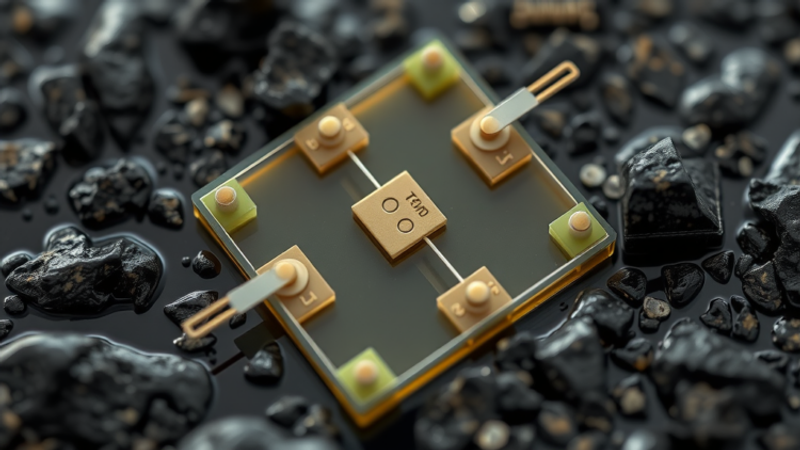
SWCNT pyroelectric phototransistors enhance IR detection
News15 July 2026

SWCNT pyroelectric phototransistors enhance IR detection

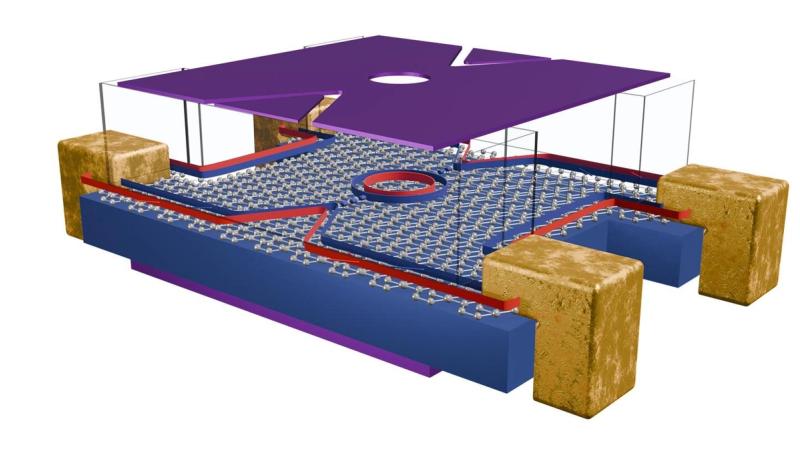
Researchers at the Skolkovo Institute of Science and Technology have developed a room-temperature infrared phototransistor using single-walled carbon nanotubes (SWCNTs) and lithium niobate (LiNbO3), achieving specific detectivities of up to 10^10 cm·Hz^1/2/W. This advancement in SWCNT-based pyroelectric phototransistors could lead to more affordable and portable IR sensing technologies, potentially transforming applications such as thermal imaging, environmental monitoring, and optical communications.

News15 July 2026

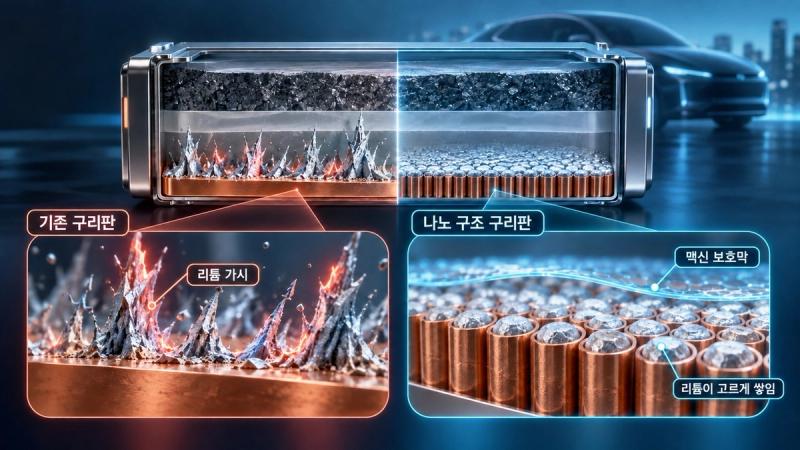
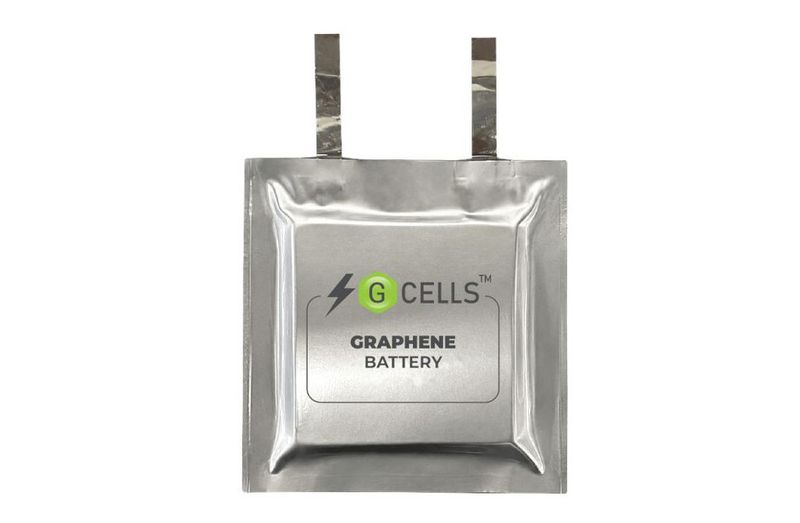
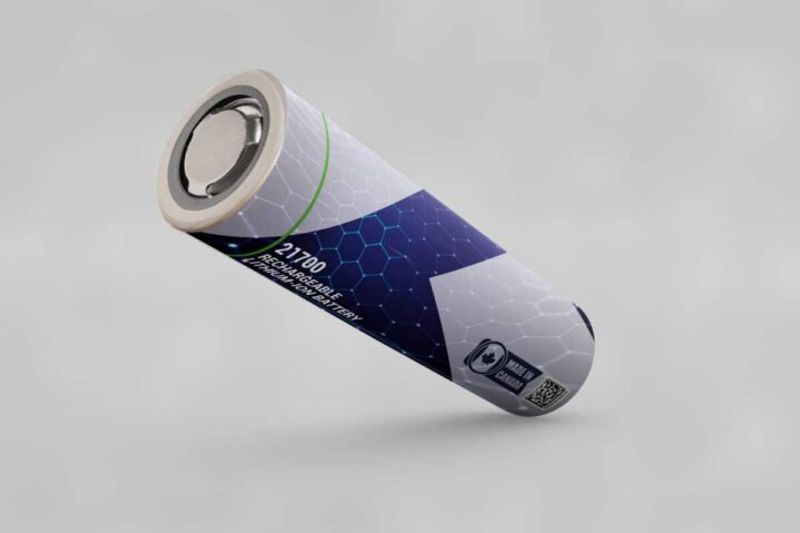
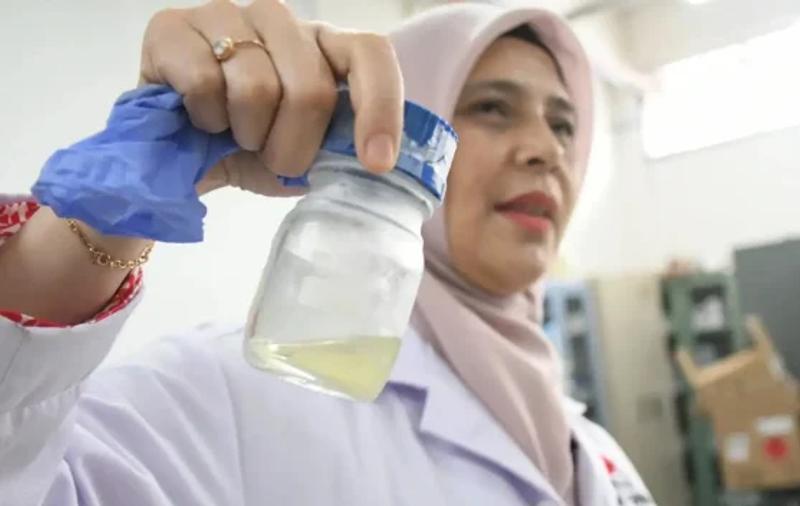
NanoMalaysia to start producing graphene-enhanced lithium-ion batteries for EVs

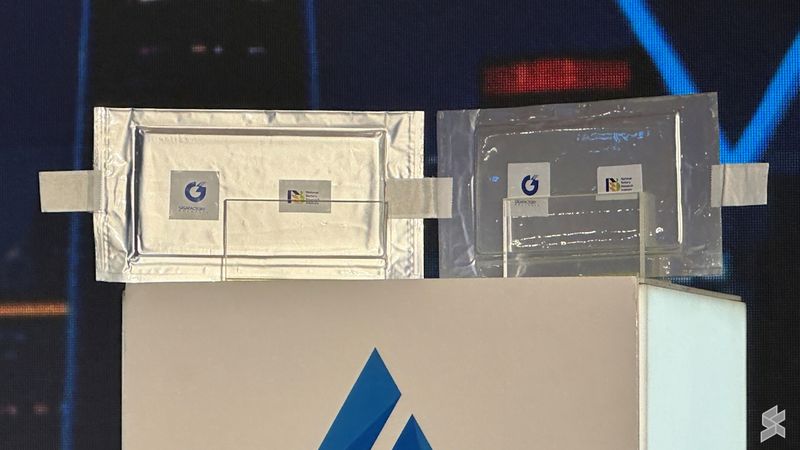
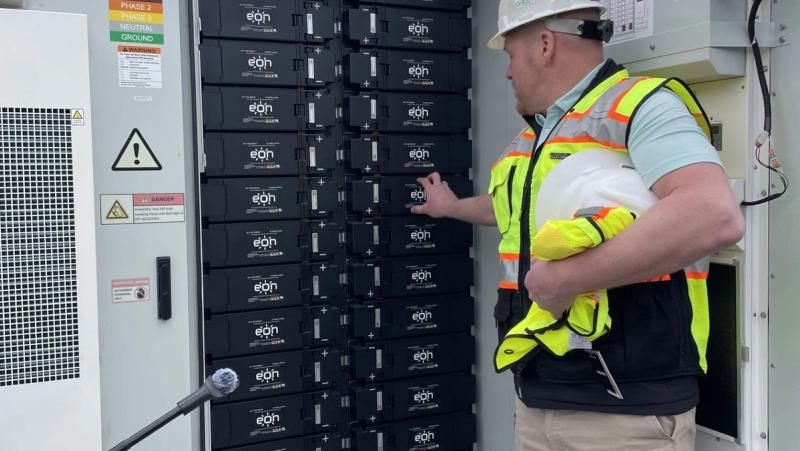
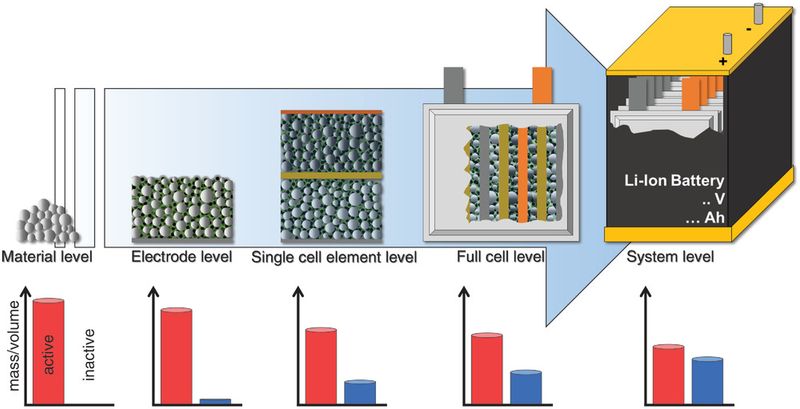
NanoMalaysia (NMB) is set to begin small-scale production of a graphene-enhanced lithium-ion battery for electric vehicles at its 15,000-square-foot facility in Sepang, Malaysia. By incorporating graphene instead of graphite, the battery aims to triple energy storage capacity, which could significantly enhance the performance of carbon-based materials in EV applications.

Perovskite solar cells to reduce solar power costs further
News15 July 2026

Perovskite solar cells to reduce solar power costs further

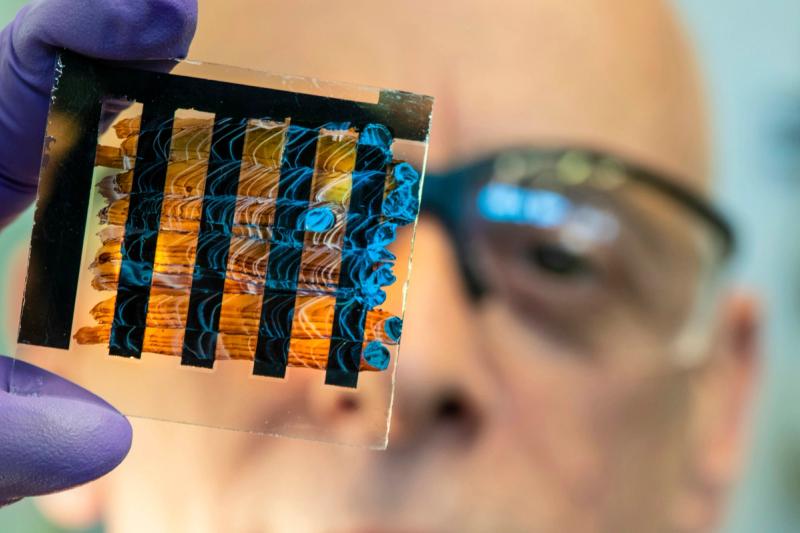
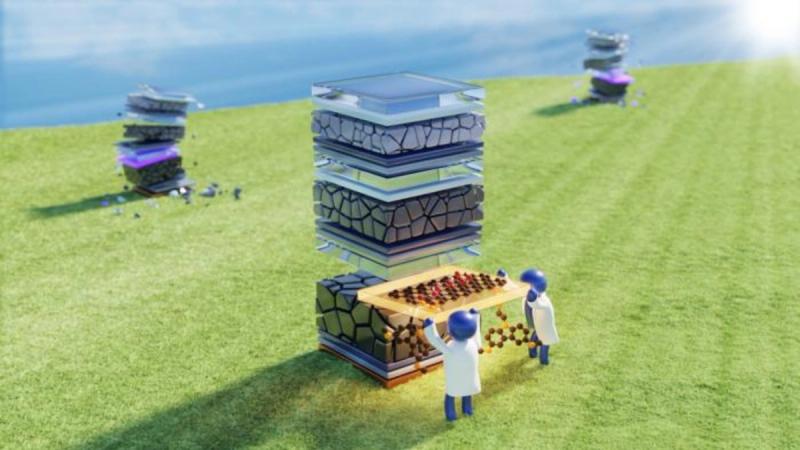
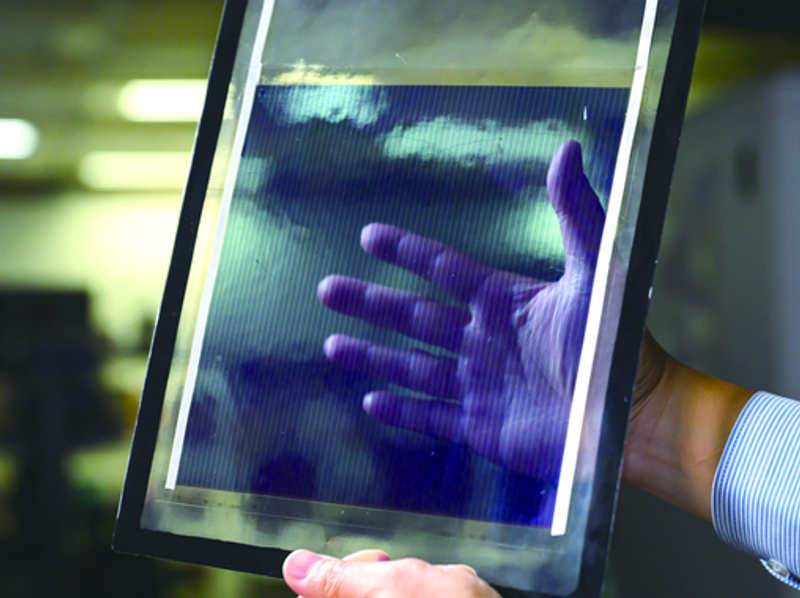
Researchers at Helmholtz-Zentrum Berlin have developed a new perovskite solar cell by incorporating graphene, enhancing its durability and efficiency. This advancement in perovskite technology could significantly reduce production costs and improve the performance of solar cells, potentially increasing the adoption of lightweight, flexible solar solutions over traditional silicon-based panels.

HydroGraph graphene paste aims for easier industrial blending
News15 July 2026

HydroGraph graphene paste aims for easier industrial blending

HydroGraph Clean Power has launched Fractal Graphene Paste, a pre-dispersed aqueous concentrate containing 20% graphene by weight, designed to simplify the incorporation of graphene into water-based industrial formulations. This development is significant for the advanced carbon materials sector as it addresses the dispersion challenges associated with graphene, potentially accelerating its adoption in applications such as construction materials, coatings, and thermal management systems.

Binding and spontaneous condensation of excitons in narrow-gap carbon nanotubes
News15 July 2026

Binding and spontaneous condensation of excitons in narrow-gap carbon nanotubes

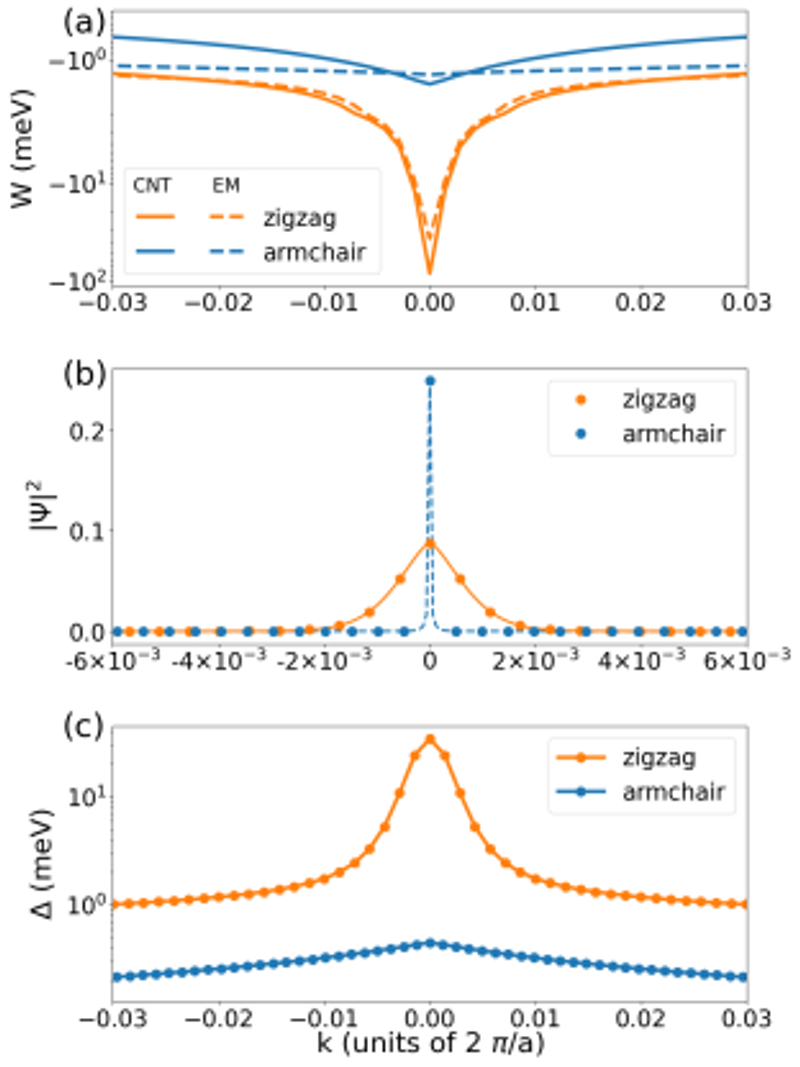
Researchers at the University of Modena and Reggio Emilia have demonstrated that narrow-gap carbon nanotubes function as excitonic insulators, with exciton binding energy scaling inversely with tube radius. This finding is significant for the study of carbon nanotubes, as it reveals the potential for spontaneous exciton condensation, which could influence the electronic properties and applications of these materials in advanced carbon technologies.

News14 July 2026

CHAR Tech welcomes Québec's $87 billion energy plan supporting biomass to renewable

The Government of Québec has announced its Plan de gestion intégrée des ressources énergétiques (PGIRE), committing $87 billion over 25 years to boost renewable energy, including forest bioenergy. This investment could significantly advance the production of renewable natural gas and biocarbon, both critical for decarbonizing industries reliant on carbon-based fuels.

News14 July 2026

Laser-induced graphene sensor enables dopamine detection in tears

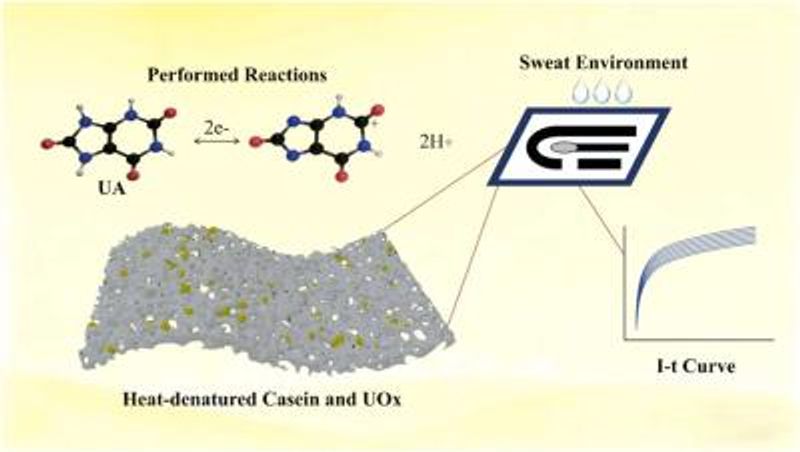
Researchers from Brazil's Federal University of Pelotas and Federal University of Rio Grande do Sul have developed a laser-induced graphene sensor capable of detecting dopamine in tear fluid with high sensitivity. This advancement could lead to noninvasive monitoring of neurological disorders, utilizing the electroactive properties of graphene to provide a compact and scalable alternative to traditional methods that often require blood or implanted devices.

Berlin lab solves perovskite solar's stability problem with graphene-oxide fix
News14 July 2026

Berlin lab solves perovskite solar's stability problem with graphene-oxide fix

Researchers at the Helmholtz-Zentrum Berlin, along with collaborators, have developed a perovskite solar cell with a graphene-oxide interface that achieves 27.3% power conversion efficiency and maintains over 90% of this efficiency after 770 hours of operation. This advancement addresses the stability issues in all-perovskite triple-junction cells, potentially paving the way for more durable and efficient solar technologies using carbon-based materials like graphene.

Turning ginger waste into biobriquettes
News14 July 2026

Turning ginger waste into biobriquettes

Researchers at the National Research and Innovation Agency have developed biobriquettes from ginger rhizome waste, offering an alternative energy source. This innovation not only reduces environmental pollution from ginger waste but also supports the clean energy transition by utilizing biochar derived from lignocellulose-rich materials.

What your tears could reveal about your brain
News13 July 2026

What your tears could reveal about your brain

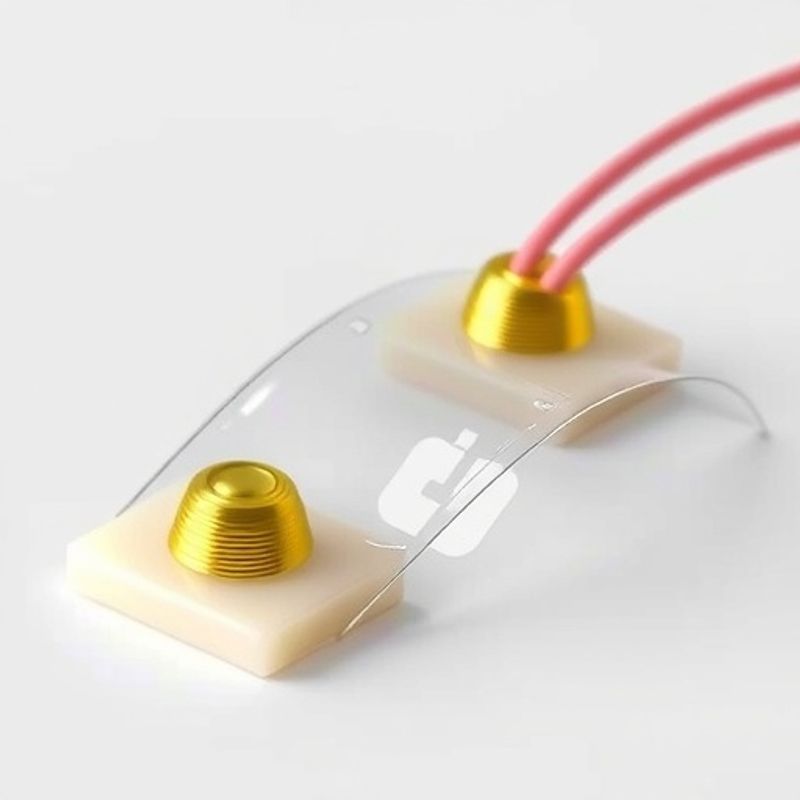
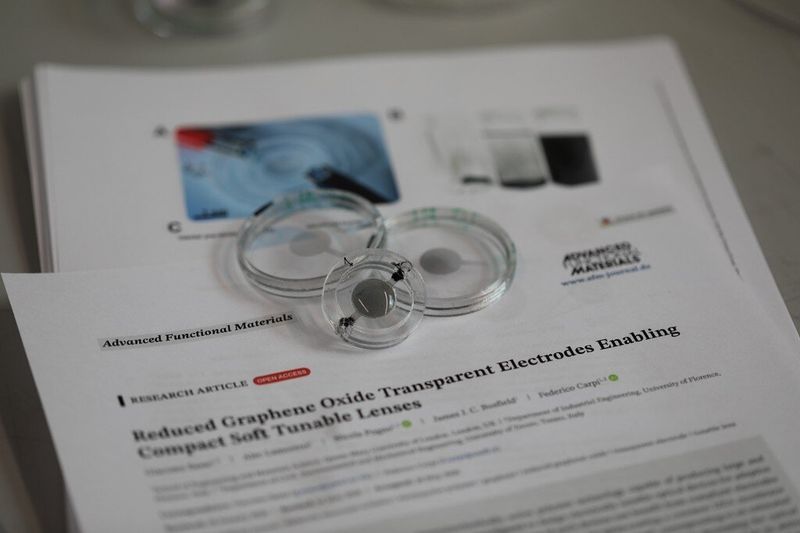
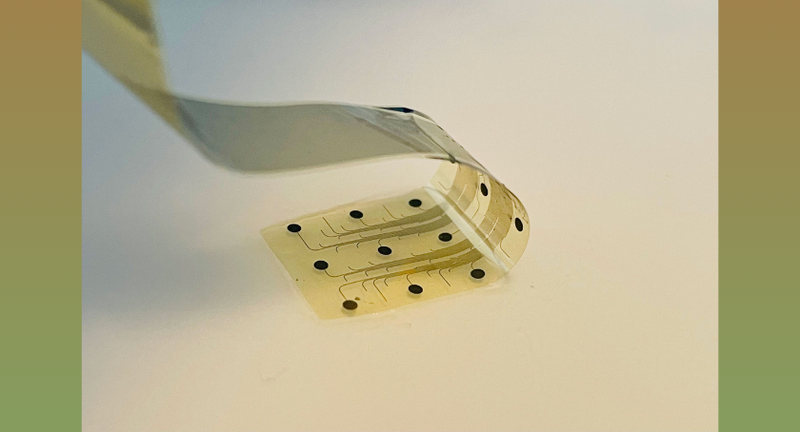
Researchers used a laser to convert portions of a thin plastic film into electrically conductive graphene to create a sensor. This development could lead to new applications for graphene in biomedical devices, particularly in analyzing biological fluids like tears.

Introducing LTDF-graphene and three target applications: critical minerals and more
News13 July 2026

Introducing LTDF-graphene and three target applications: critical minerals and more

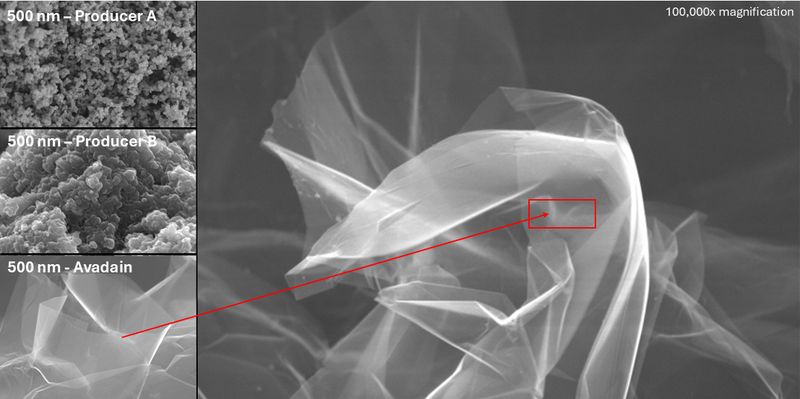
Avadain has developed a new graphene type called Large, Thin, Defect-Free (LTDF) graphene, which features flakes in the 25-100+ µm² range and averages under 5 atomic layers, aiming to enhance applications in critical minerals, rare-earth-free magnets, and high-power electronics. This advancement is significant because it addresses key limitations of commercial graphene, such as flake size, layer count, and defect density, potentially improving the performance of carbon-based materials in demanding applications.

Enhancing shape sensing of slender medical robots with carbon nanotubes
News10 July 2026

Enhancing shape sensing of slender medical robots with carbon nanotubes

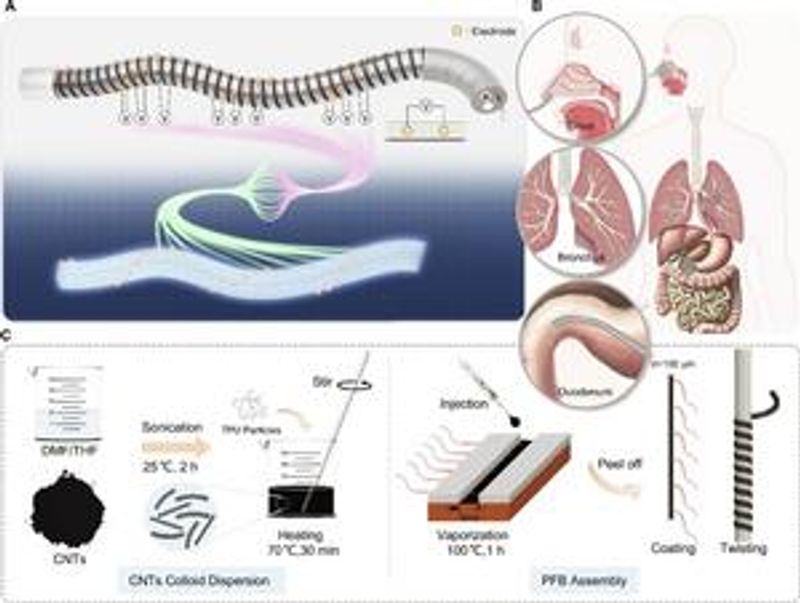
Researchers at Zhejiang University have developed a piezoresistive fiber bandage using multi-walled carbon nanotubes for shape sensing in slender medical continuum robots. This innovation provides a low-cost, highly stretchable alternative to fiber-optic systems, potentially expanding the use of carbon nanotube-based sensors in medical robotics for improved intraoperative guidance.

News10 July 2026

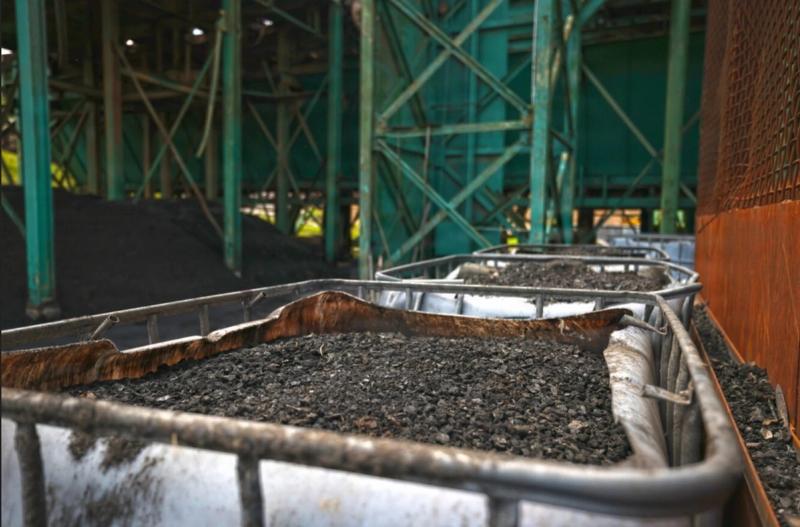
Chinese scientists convert farm waste into high-value biochar in green tech breakthrough

Researchers at the Institute of Environment under the Hefei Comprehensive National Science Center have developed a technology for large-scale biochar production from agricultural and forestry biomass, capable of producing over 50,000 tonnes annually. This advancement in biochar technology supports environmental sustainability by transforming agricultural waste into a high-value carbon-rich material, with applications in soil enhancement, energy storage, and more.

New carbon nanotube sensors could shrink thermal cameras, medical devices
News10 July 2026

New carbon nanotube sensors could shrink thermal cameras, medical devices

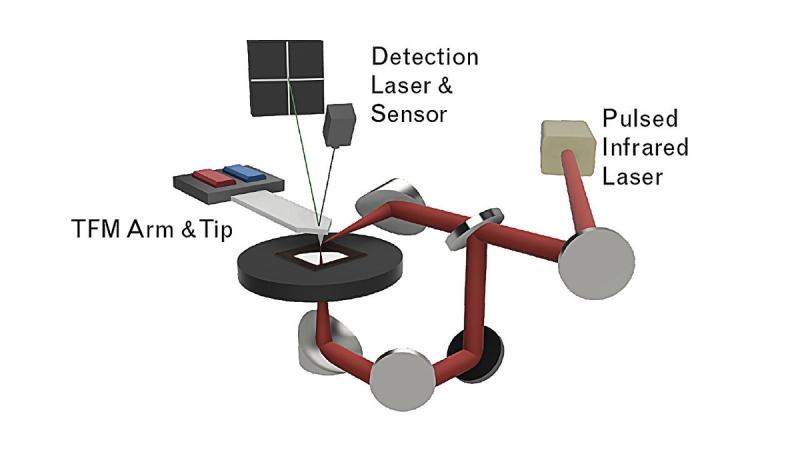
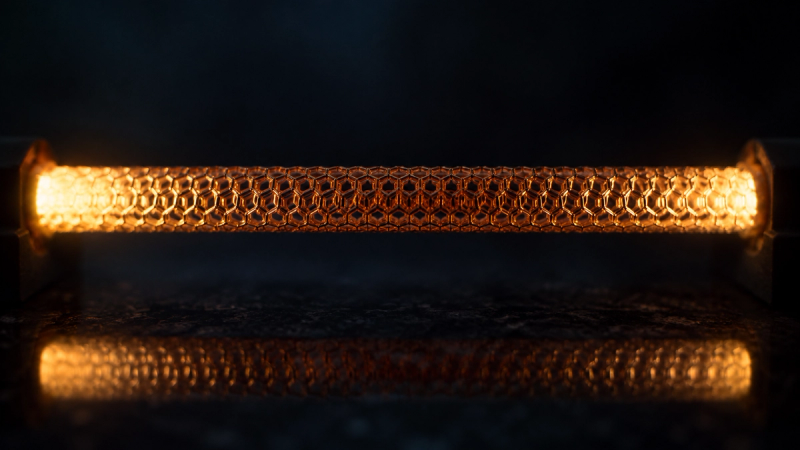
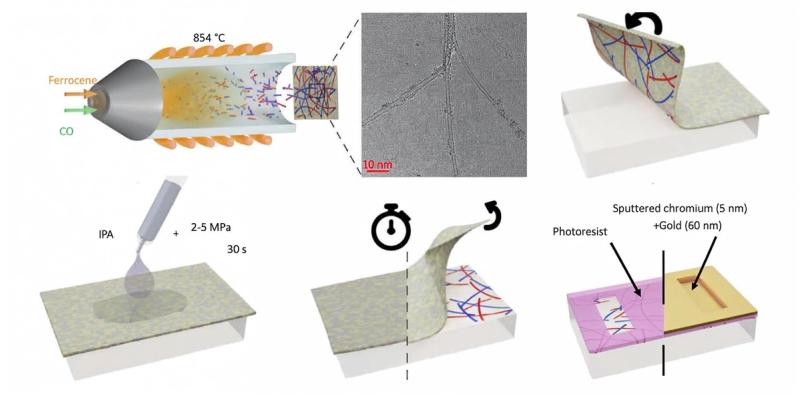
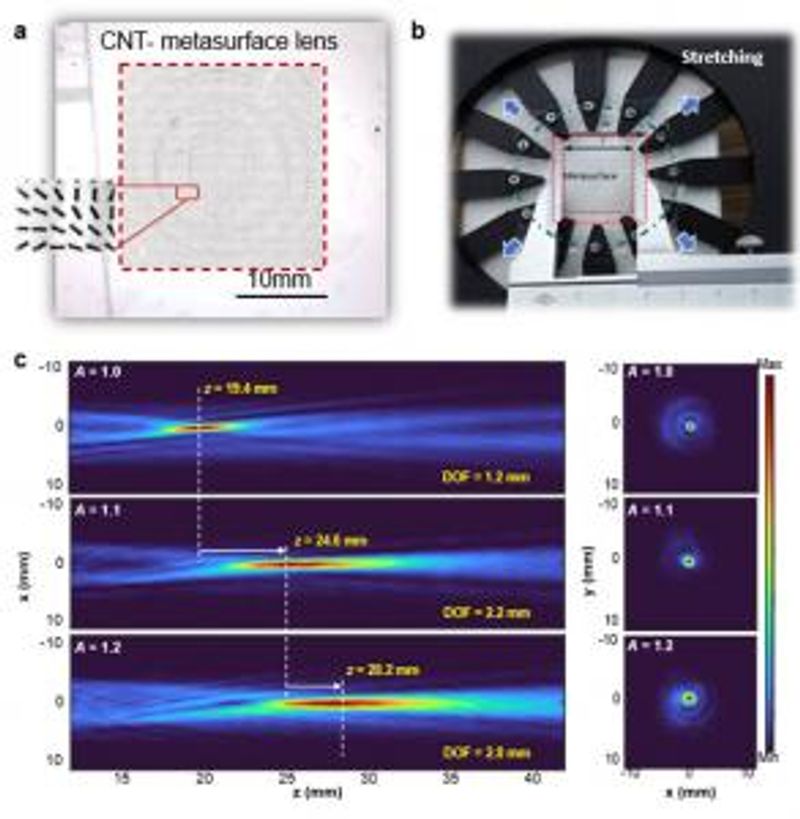
Researchers from the Skolkovo Institute of Science and Technology have developed a new infrared sensor using single-walled carbon nanotubes, which shows a conductivity change 10,000 to 100,000 times more pronounced than graphene. This advancement could lead to more sensitive and compact thermal cameras and medical sensors, leveraging the unique properties of carbon nanotubes for enhanced infrared detection without the need for cooling.

PR1's carbon nanotube fiber tech receives peer-reviewed validation
News10 July 2026

PR1's carbon nanotube fiber tech receives peer-reviewed validation

Pure Resources (ASX: PR1) and Rice University have announced peer-reviewed validation of their carbon nanotube fibre (CNTF) technology, highlighting its high thermal conductivity and potential to outperform traditional materials like copper and aluminum. This development is significant for advanced carbon materials as it demonstrates the potential of CNTF to enhance thermal management in applications such as AI data centers, drones, and defense systems.

Chinese team achieves major breakthrough in carbon nanotube CFET architecture
News10 July 2026

Chinese team achieves major breakthrough in carbon nanotube CFET architecture

Researchers at Peking University have developed the first all-carbon nanotube CFET digital logic circuits, achieving highly balanced electrical performance between p-type and n-type transistors. This advancement is significant for the future of carbon nanotube technology, as it introduces a new path for high-density computing architectures in artificial intelligence and edge computing applications.

Himachal's first biochar project targets fires, carbon, and rural livelihoods
News10 July 2026

Himachal's first biochar project targets fires, carbon, and rural livelihoods

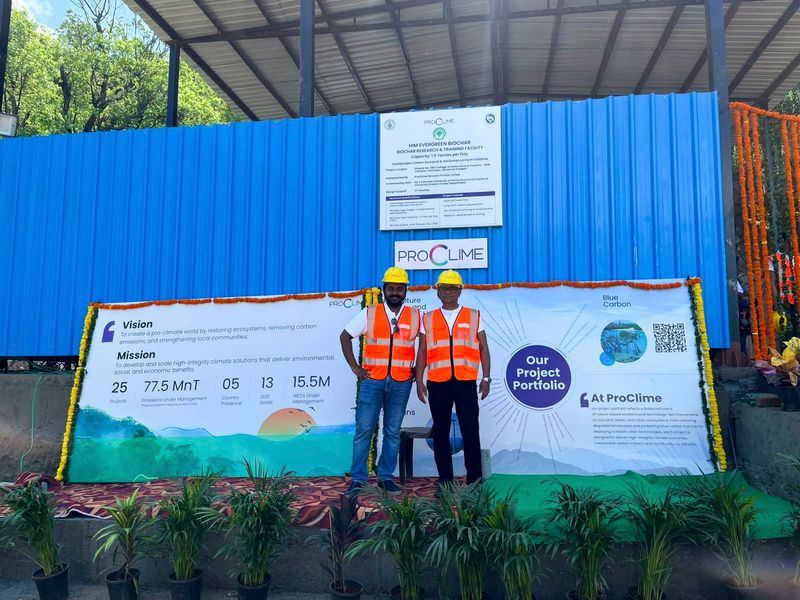
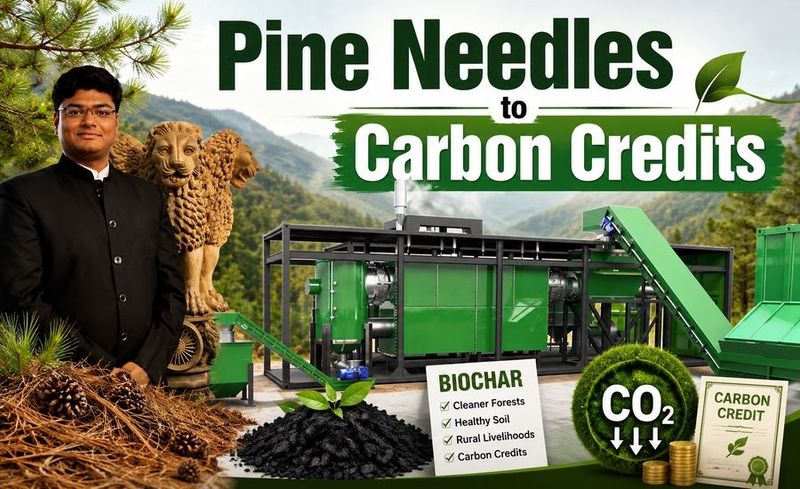
The Government of Himachal Pradesh, in collaboration with Dr Y.S. Parmar University of Horticulture and Forestry and ProClime Services Private Limited, has launched India's first indigenous biochar project in Hamirpur district, aiming to convert forest biomass into biochar to reduce fire risks and generate carbon credits. This initiative is significant for the advanced carbon materials sector as it transforms waste biomass into biochar, a stable carbon-rich material, thereby contributing to carbon sequestration and offering a sustainable model for forest management and rural livelihoods.

News10 July 2026

Artificial graphite vs natural graphite: differences and applications in lithium-ion batteries

The article discusses the differences between artificial graphite, made from carbon sources like petroleum coke, and natural graphite, focusing on their applications in the lithium-ion battery industry. Understanding these differences is crucial for battery manufacturers as they select materials that optimize performance, cost, and sustainability in battery production.

Carbon nanotori provide quantum computers a third control channel without crosstalk
News10 July 2026

Carbon nanotori provide quantum computers a third control channel without crosstalk

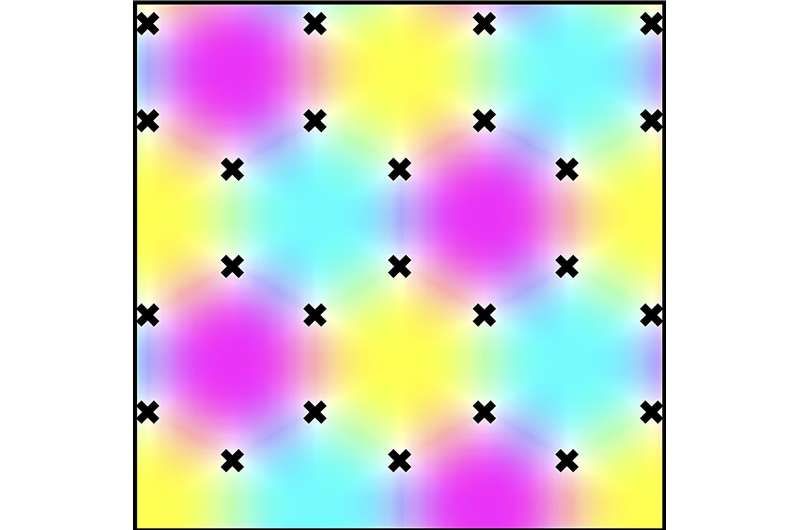
Physicists at Martin Luther University Halle-Wittenberg have demonstrated that carbon nanotori, specifically C₁₂₀, C₁₄₄, and C₁₆₈, can generate and control toroidal dipole moments, offering a third control channel for quantum computers with zero crosstalk. This discovery is significant for quantum computing as it introduces a new method for qubit control that is orthogonal to existing electric and magnetic control methods, potentially reducing errors caused by crosstalk in superconducting quantum processors.

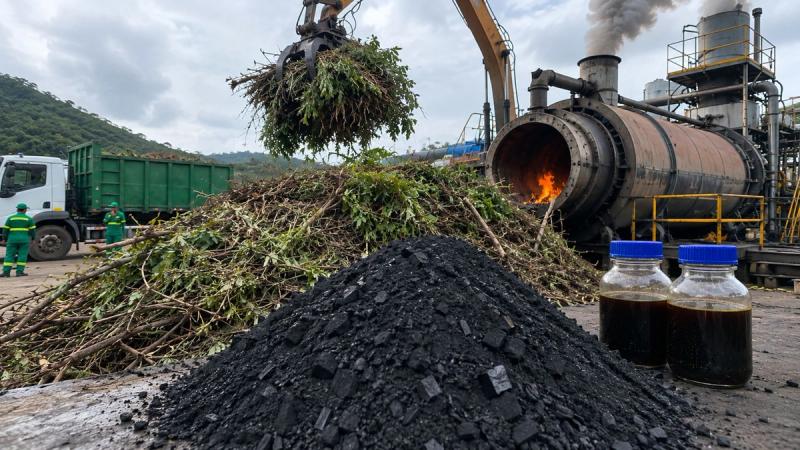
International Virtual Institute and COMLURB convert urban waste into energy
News10 July 2026

International Virtual Institute and COMLURB convert urban waste into energy

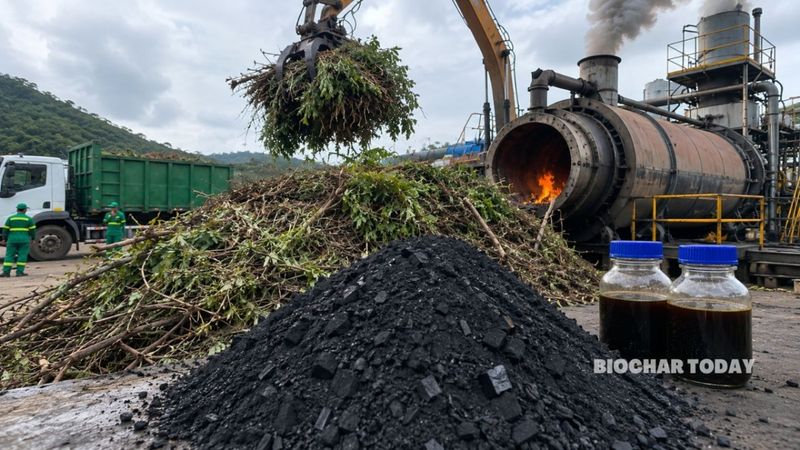
The International Virtual Institute of Global Changes and COMLURB have converted approximately one ton of urban tree trimmings in Rio de Janeiro into 300 kilograms of biochar and pyrolytic oil using pyrolysis. This initiative transforms municipal green waste into valuable resources for soil improvement and energy research, highlighting a sustainable approach to waste management in the carbon materials sector.

COF-graphene hybrid opens new horizons for lithium-sulfur batteries
News9 July 2026

COF-graphene hybrid opens new horizons for lithium-sulfur batteries

Researchers at Tohoku University have developed a covalent organic framework (COF)-graphene interlayer that significantly reduces polysulfide shuttling in lithium-sulfur batteries, achieving a high reversible capacity of 1455.7 mA h g⁻¹ at 0.2 A g⁻¹. This advancement is crucial for the practical deployment of lithium-sulfur batteries, as it addresses the long-standing challenge of polysulfide migration, potentially leading to more efficient and durable energy storage solutions.

New graphene layer extends lithium-sulfur battery lifespan to 1,000 cycles
News9 July 2026

New graphene layer extends lithium-sulfur battery lifespan to 1,000 cycles

Researchers at Tohoku University have developed a graphene-based interlayer for lithium-sulfur batteries that maintains capacity over 1,000 charge-discharge cycles. This advancement addresses the polysulfide shuttle effect, enhancing the lifespan and efficiency of lithium-sulfur batteries, which are seen as a promising alternative to lithium-ion technology due to their higher energy storage potential.

Unexpected discovery leads to new graphene oxide production method
News9 July 2026

Unexpected discovery leads to new graphene oxide production method

Researchers at Texas A&M University have developed a new method to produce graphene oxide from methane using a plasma-based reactor, which simultaneously generates hydrogen as a byproduct. This scalable approach could reduce reliance on graphite for graphene oxide production, offering a cost-effective alternative for applications in batteries, electronics, and advanced manufacturing.

Graphene Holds Multiple Superconducting States Simultaneously
News9 July 2026

Graphene Holds Multiple Superconducting States Simultaneously

Researchers at MIT have discovered that rhombohedral graphene can host multiple superconducting states simultaneously, with some states becoming stronger under magnetic fields. This finding is significant for advanced carbon materials as it reveals new possibilities for manipulating graphene's superconducting properties, which could impact quantum computing and other technologies relying on superconductivity.

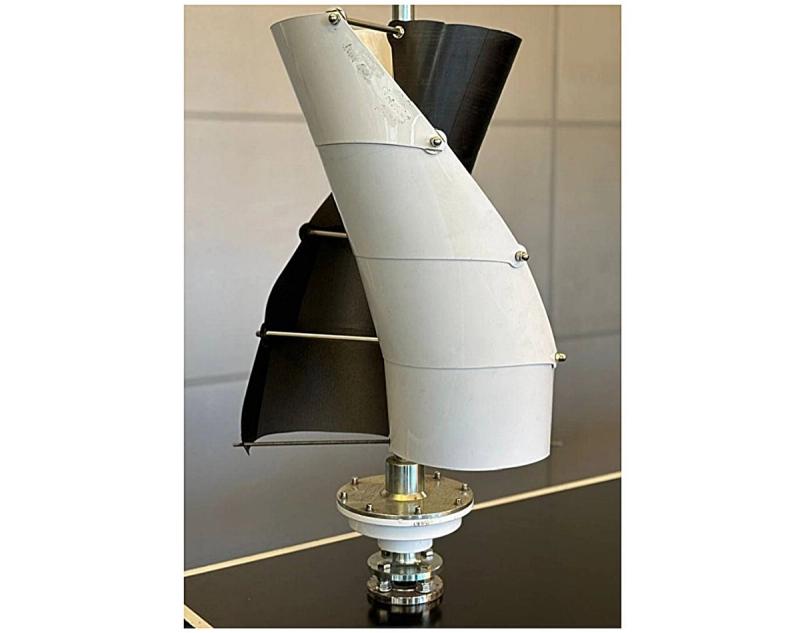
New 4D-printing method creates lighter, faster-spinning wind turbine blades
News6 July 2026

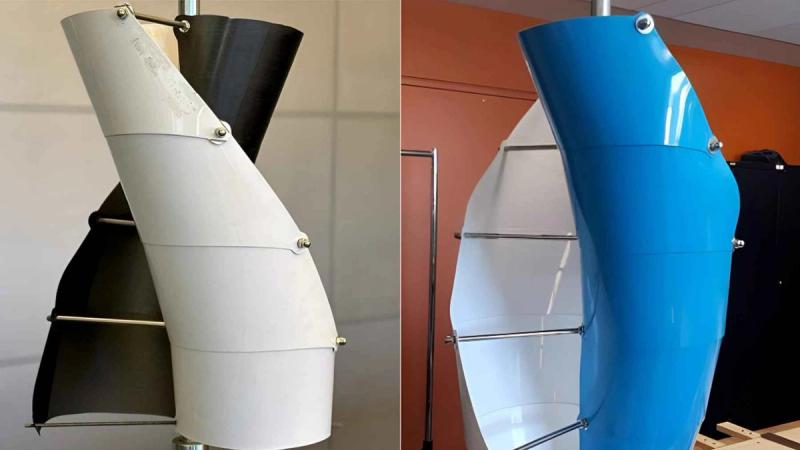
New 4D-printing method creates lighter, faster-spinning wind turbine blades

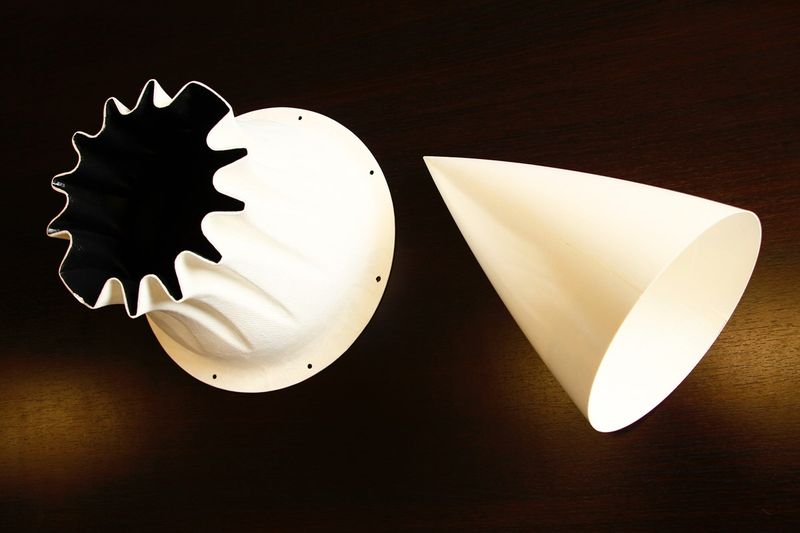
Researchers at Concordia University have developed a 4D-printing method to create curved blades for vertical-axis wind turbines from flat carbon-fibre composite panels, resulting in blades that weigh 80% less than commercial aluminum blades. This advancement could significantly reduce manufacturing costs and promote the use of lightweight carbon-fibre composites in renewable energy systems.

Czech Republic turns used coffee grounds into sustainable solutions
News6 July 2026

Czech Republic turns used coffee grounds into sustainable solutions

Coffee!Up in the Czech Republic is transforming used coffee grounds into products like natural soap, coffee oil, biomass, and biochar, as highlighted by the European Commission. This initiative is significant for the advanced carbon materials sector because it demonstrates the potential for waste coffee grounds to be converted into valuable materials such as biochar, which can improve soil health and contribute to carbon sequestration efforts.

Brazil converts urban tree trimmings into biochar and pyrolytic oil in pioneering project
News6 July 2026

Brazil converts urban tree trimmings into biochar and pyrolytic oil in pioneering project

Researchers at the International Virtual Institute of Global Changes, COPPE/UFRJ, in partnership with COMLURB, have converted one ton of urban pruning waste in Rio de Janeiro into approximately 300 kilos of biochar and pyrolytic oil. This initiative demonstrates the potential of using urban plant waste as a raw material for producing carbon-rich biochar, which can be used as a soil conditioner and for carbon storage, contributing to sustainable waste management and decarbonization efforts.

Sensor detects pesticides using material thinner than a strand of hair
News6 July 2026

Sensor detects pesticides using material thinner than a strand of hair

Researchers at the Vietnam Academy of Science and Technology have developed a sensor electrode using a composite material of graphene, carbon nanotubes (CNTs), and gold nanoparticles that can detect pesticide residues at concentrations as low as parts per billion (ppb). This advancement is significant for the field of advanced carbon materials as it enhances the sensitivity and functionality of sensors, contributing to improved agricultural product monitoring and food safety.

Uses of Fullerene C70 in OPV, Electronics, and Advanced Materials

News6 July 2026

Uses of Fullerene C70 in OPV, Electronics, and Advanced Materials

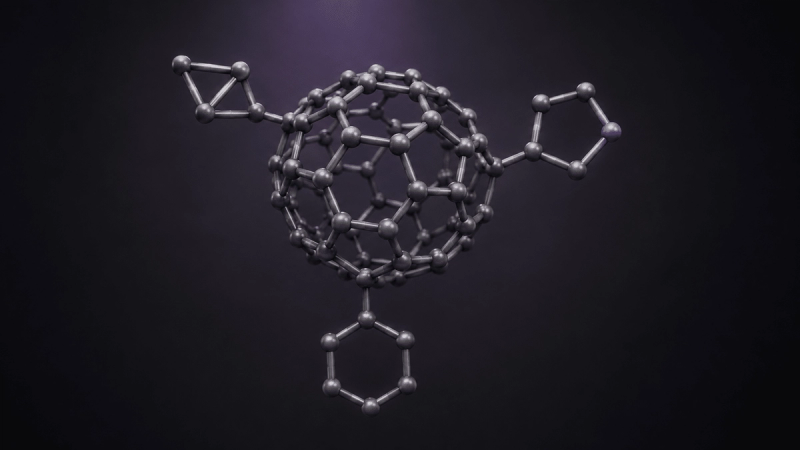
Researchers have identified several uses for Fullerene C70 in organic photovoltaics, organic electronics, and advanced nanomaterials, noting its unique elongated carbon cage structure and electron-accepting behavior. This matters because C70's distinct optical and electronic properties, compared to C60, make it a valuable material for studying and optimizing charge transport and light absorption in these advanced carbon-based applications.

Bakkafrost Scotland showcases Applecross RAS facility during ministerial visit
News6 July 2026

Bakkafrost Scotland showcases Applecross RAS facility during ministerial visit

Bakkafrost Scotland showcased its Applecross recirculating aquaculture system (RAS) facility during a visit by Scotland’s marine minister, highlighting its strategy of rearing salmon longer in freshwater conditions. The facility plans to install pyrolysis technology to convert hatchery waste into biochar, aligning with efforts to reduce environmental impact and enhance sustainability in aquaculture.

Integrals Power chosen as LMFP supplier for 9 million euro EU OLiMPUS battery project
News3 July 2026

Integrals Power chosen as LMFP supplier for 9 million euro EU OLiMPUS battery project

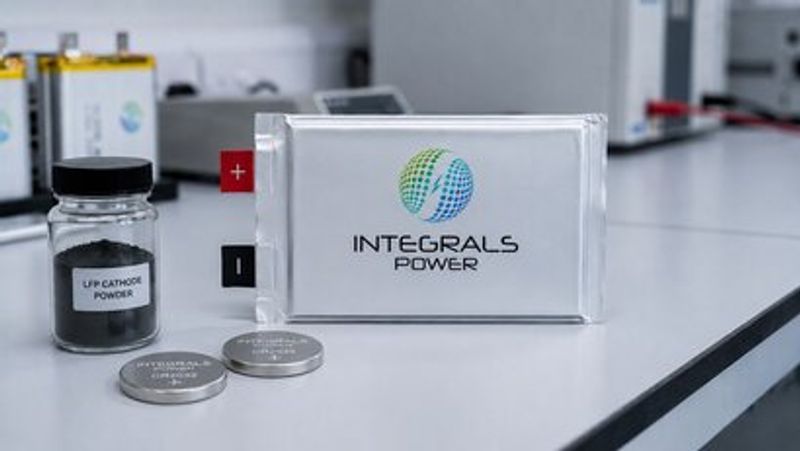
Integrals Power has been selected as the LMFP supplier for the EU-funded OLiMPUS battery project, which aims for mass production in Europe by 2032. This development is significant for the advanced carbon materials sector as it involves synthetic graphite anodes, which are crucial for reducing the carbon footprint and enhancing the sustainability of battery production.

News2 July 2026

Machine learning boosts graphene oxide and reduced graphene oxide sensing abilities

Researchers at Concordia University have developed nanocomposites using graphene oxide and reduced graphene oxide embedded in a nanocellulose matrix, achieving high accuracy in predictive modeling with R² > 0.99. This advancement is significant for the field of advanced carbon materials as it demonstrates the potential of these composites in applications such as wearable electronics and biosensors, leveraging the unique properties of graphene oxide and reduced graphene oxide.
Monolithic microLEDs eye AI
News2 July 2026

Monolithic microLEDs eye AI

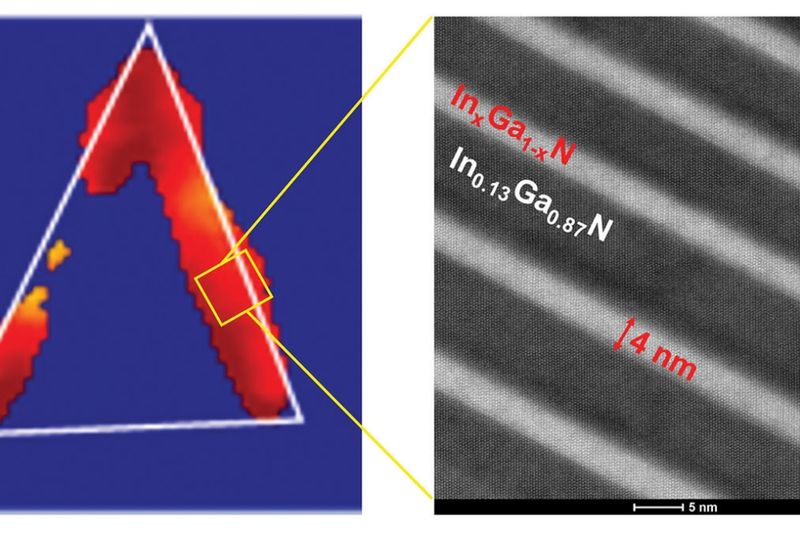
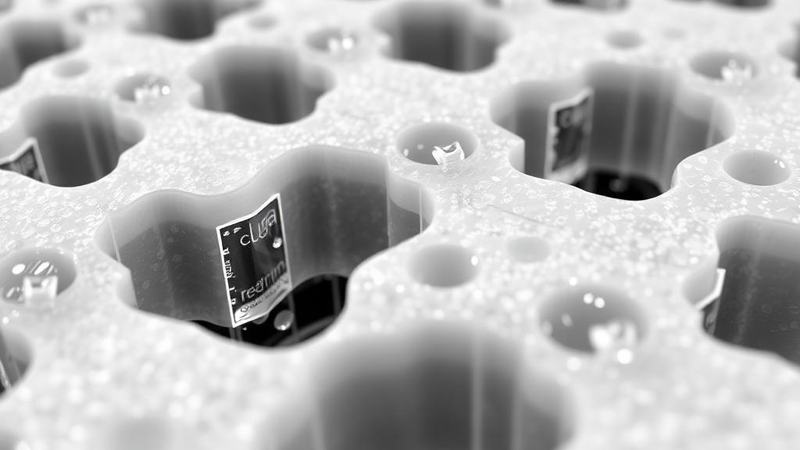
Researchers at CEA-Leti and CRHEA/CNRS grew InGaN nanopyramids through a patterned graphene monolayer on SiC, achieving red, green, and blue emission from a single epitaxial growth with an indium content up to 45 percent in the quantum wells. The approach uses graphene as a selective-area growth mask to produce relaxed InGaN pseudo-substrates, addressing the long-standing efficiency drop in InGaN-based red emitters that has blocked monolithic full-colour microLED integration for AR displays.

Pyrum's second German plant progresses after initial delays
News2 July 2026

Pyrum's second German plant progresses after initial delays

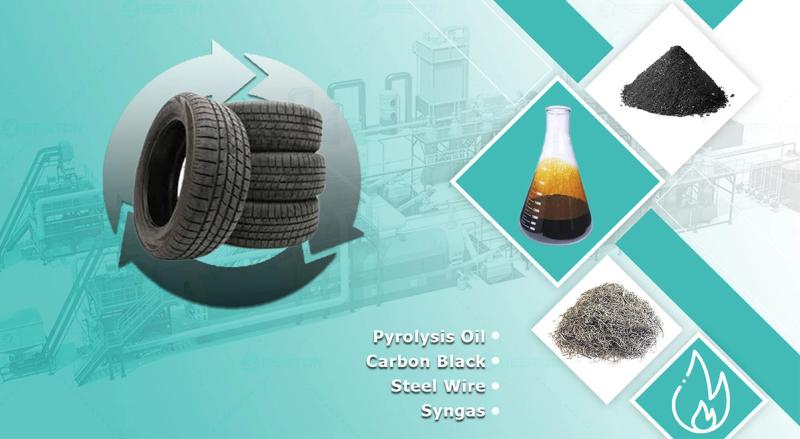
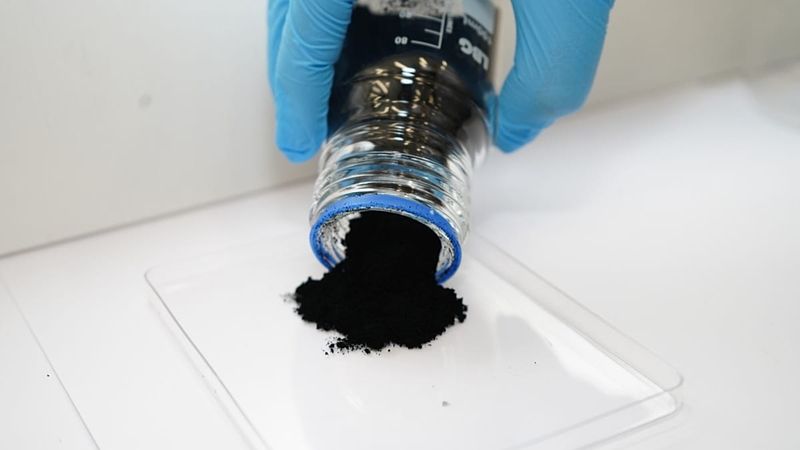
Pyrum Innovations has announced that its tire recycling plant project in Perl-Besch, Germany is back on track following the successful optimisation of its Dillingen facility, which now produces stable recovered carbon black (rCB). This development is crucial for the advanced carbon materials sector as it demonstrates the viability of producing high-quality rCB, a key component for sustainable tire manufacturing and other applications.
Entropy facilitates charge separation in one-dimensional semiconductors
News2 July 2026

Entropy facilitates charge separation in one-dimensional semiconductors

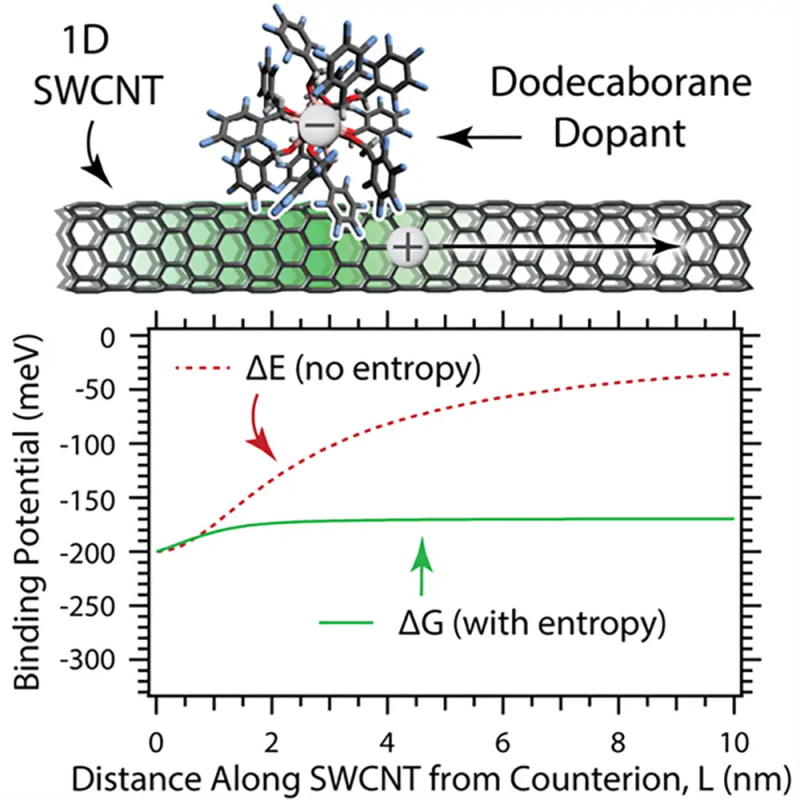
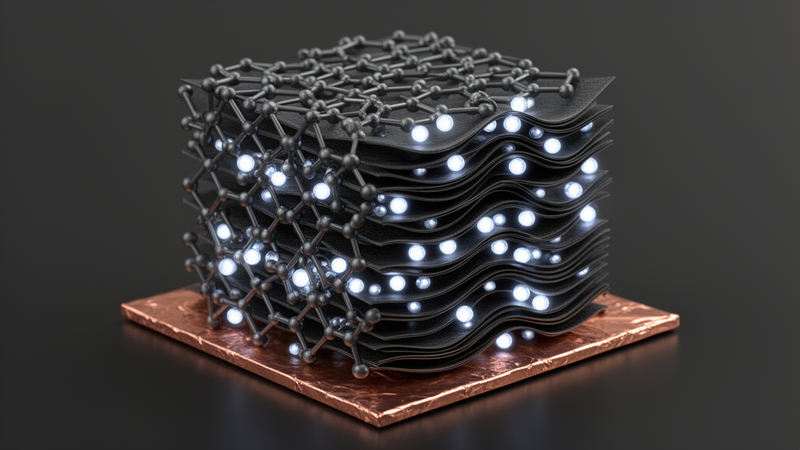
Researchers at the Netherlands Lattice Research (NLR) have demonstrated that entropy can facilitate charge separation in single-walled carbon nanotubes (SWCNTs) by attaching a negatively charged dodecaborane structure. This finding could enhance the efficiency of carbon nanotube-based semiconductors, potentially impacting electronics and energy applications.

Portuguese graphene that hides planes and drones could transform defence
News2 July 2026

Portuguese graphene that hides planes and drones could transform defence

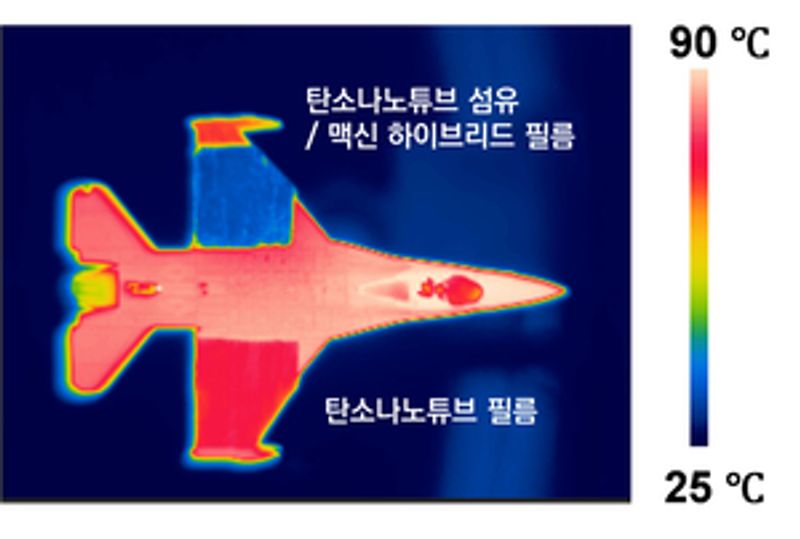
GTechPlasma, a spin-off from Instituto Superior Técnico in Lisbon, has developed a plasma-produced graphene powder that its researchers estimate could reduce an F-16's radar signature to that of a bird, and has already supplied 260 grams of the material to a Portuguese drone manufacturer. The development is notable for the graphene sector because it demonstrates a tunable, plasma-based production process capable of reaching 40 milligrams per minute, with industrialization underway through partner company Plasmaphene, targeting a market—radar-absorbent coatings—currently restricted to U.S. suppliers.

Sparc launches graphene additives for manufacturing-focused ESD coatings
News2 July 2026

Sparc launches graphene additives for manufacturing-focused ESD coatings

Sparc Technologies launched SparcES™, a graphene additive range for ESD and conductive coatings targeting data centres, semiconductor facilities and EV battery plants, following 24 months of internal conductivity testing. The range positions graphene as a potential lower-dosage alternative to carbon black, graphite, carbon nanotubes and metal nanowires in a global ESD and conductive coatings market estimated at US$1.2 billion in 2026.

Graphene can host multiple superconducting states, a new study finds
News1 July 2026

Graphene can host multiple superconducting states, a new study finds

MIT researchers published a study in Nature finding that rhombohedral graphene, a naturally occurring stacked structure within ordinary graphite, hosts at least four distinct superconducting states, three of which persist under magnetic fields up to 9 tesla and one of which strengthens under a perpendicular magnetic field. The findings expand understanding of graphene's electronic behavior, reinforcing its relevance as a platform for discovering unconventional quantum phenomena in carbon-based materials.

OCSiAl named supplier of carbon nanotubes for PowerCo's Unified Cell batteries
News1 July 2026

OCSiAl named supplier of carbon nanotubes for PowerCo's Unified Cell batteries

OCSiAl has been named a single-wall carbon nanotube supplier to Volkswagen Group's battery subsidiary PowerCo for its Unified Cell platform, with supply coming from OCSiAl's audited production facility in Serbia. The deal extends single-wall carbon nanotube use into a major European automaker's standardized battery platform, where the material serves as a conductive additive in graphite anodes to improve conductivity, heat dissipation, and fast-charging performance.

Top 10 semiconductor companies by funds raised in 2025
News1 July 2026

Top 10 semiconductor companies by funds raised in 2025

European semiconductor companies raised substantial funding in 2025, with the ten largest rounds ranging from NXP Semiconductors' €1 billion EIB loan down to IQE's £18 million convertible note, spanning AI chips, photonics, power electronics, memory, and chip cooling. Two graphene-focused companies, Paragraf ($55M Series C) and CamGraPhIC (€25M Series A), secured funding to scale graphene-based electronic devices and graphene silicon photonics respectively, signaling continued investor commitment to graphene's commercial role in semiconductors and optical interconnects.

Toray celebrates 100th anniversary at Farnborough Airshow
News1 July 2026

Toray celebrates 100th anniversary at Farnborough Airshow

Toray Industries will showcase its latest advanced material solutions, including TORAYCA carbon fibre and high-performance thermoset systems, at the Farnborough International Airshow from July 20–24. These materials are crucial for meeting stringent qualification and certification requirements in aerospace, space, and defence applications, highlighting Toray's commitment to reliability and performance in critical sectors.

HydroGraph Clean Power Launches Fractal Graphene Paste
News1 July 2026

HydroGraph Clean Power Launches Fractal Graphene Paste

HydroGraph Clean Power Inc. commercially launched Fractal Graphene Paste, a 20% graphene-by-weight aqueous dispersion with a 99.8% carbon purity and over two-year shelf life, and has supplied samples to more than 30 customers. The product targets the graphene sector's core adoption barrier—dispersion difficulty—by delivering a stable, ready-to-use concentrate compatible with standard mixing equipment, which could accelerate graphene uptake in composites, coatings, and construction materials.

China's Zhongfu Shenying Rises After High Performance Carbon Fiber Lines Go Live
News1 July 2026

China's Zhongfu Shenying Rises After High Performance Carbon Fiber Lines Go Live

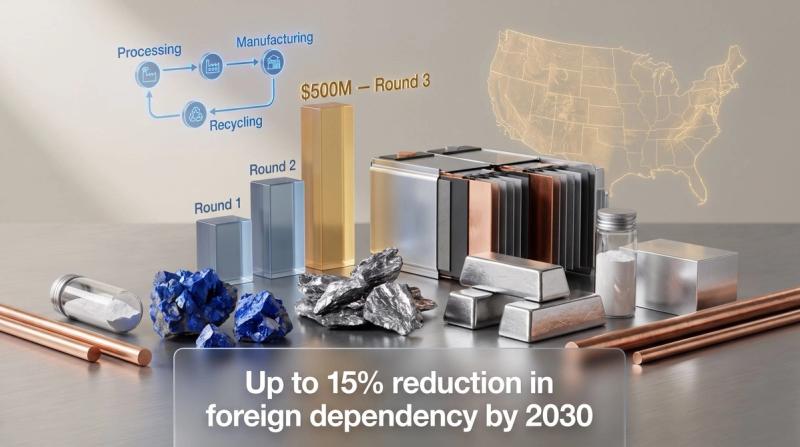
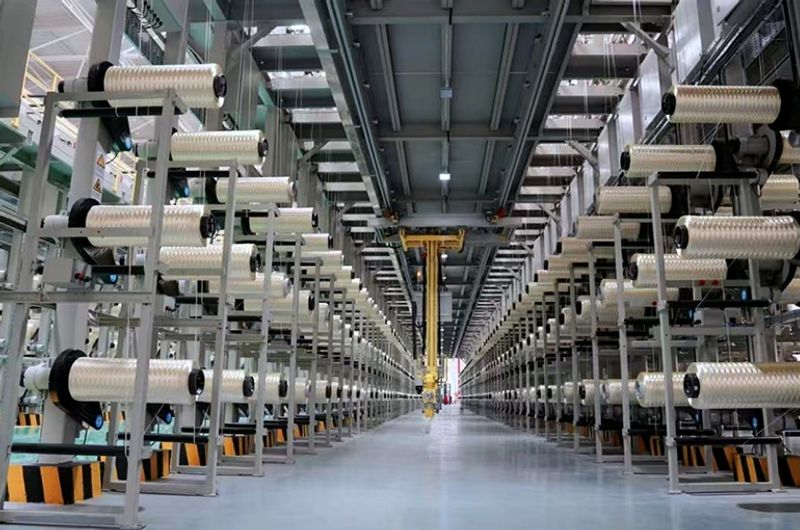
Zhongfu Shenying commissioned three high-performance carbon fiber production lines in Lianyungang, Jiangsu on June 28, comprising a 1,000-ton/year T1100-grade aerospace line, a 5,000-ton/year 48K large-tow line, and a 600-ton/year M40 high-modulus line, as the first phase of a CNY6 billion project targeting 30,000 tons of annual capacity. The lines expand China's domestic supply of high-grade carbon fiber across aerospace, wind energy, hydrogen storage, and EV applications, reducing reliance on foreign sources for critical materials.

News1 July 2026

Advancing the shielding effectiveness through a graphene-perturbed slab

Researchers applied the Small Perturbation Method to analytically and numerically model how Gaussian surface roughness affects bistatic scattering coefficients, transmission coefficients, and shielding effectiveness for copper and graphene slabs across radio-frequency to near-infrared ranges. The findings provide design guidelines for tuning graphene-based shielding and optical devices by adjusting chemical potential, temperature, and layer count alongside surface roughness parameters.

Paragraf forms Advisory Committee and adds to board of directors
News1 July 2026

Paragraf forms Advisory Committee and adds to board of directors

Paragraf, a graphene electronics foundry based in Cambridgeshire, UK, has formed a new Advisory Committee comprising Oreste Donzella, Jean-Michel Richard, and Thomas Piliszczuk, with Donzella and Richard also joining the board as non-executive directors. The appointments signal Paragraf's push to scale graphene semiconductor manufacturing and expand into global electronics markets, drawing on advisors with deep experience at firms including Texas Instruments, Micron, KLA, and imec.

Graphene thin films for neural interfaces
News1 July 2026

Graphene thin films for neural interfaces

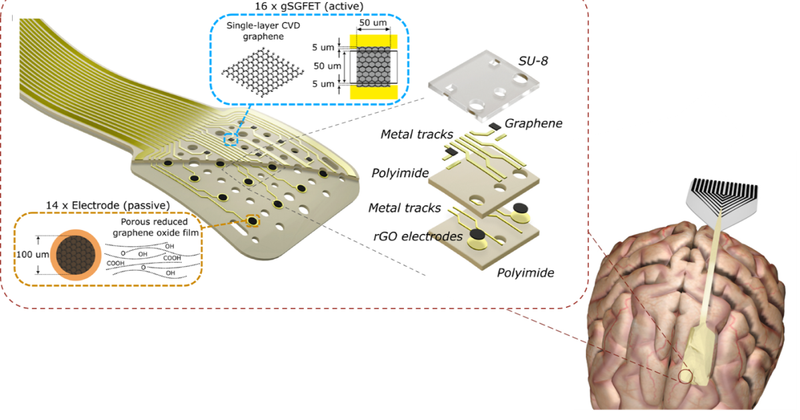
Researchers at ICN2, led by Jose A. Garrido, are developing graphene-based thin film devices for neural stimulation and recording, with work spanning device fabrication, in vivo testing in rodent and large-animal models, and clinical translation efforts. The work demonstrates a pathway for graphene to move from laboratory research into regulated medical devices, advancing the material's role in bioelectronics beyond conventional carbon fiber or composite applications.

INBRAIN Neuroelectronics Ends Enrollment in Study of Graphene Neural Interfaces
News1 July 2026

INBRAIN Neuroelectronics Ends Enrollment in Study of Graphene Neural Interfaces

INBRAIN Neuroelectronics completed enrollment of ten patients (eight treated) in a first-in-human trial of its graphene cortical interface, conducted during brain tumor resection surgeries at Northern Care Alliance NHS Foundation Trust, with no device-related adverse events or perioperative failures observed. The results support graphene as a viable electrode material for neural interfaces, with implications for the graphene sector as the technology advances toward clinical commercialization in brain-computer interface applications.

Anomalous Duffing response in suspended CNT quantum dot at ultrastrong coupling
News1 July 2026

Anomalous Duffing response in suspended CNT quantum dot at ultrastrong coupling

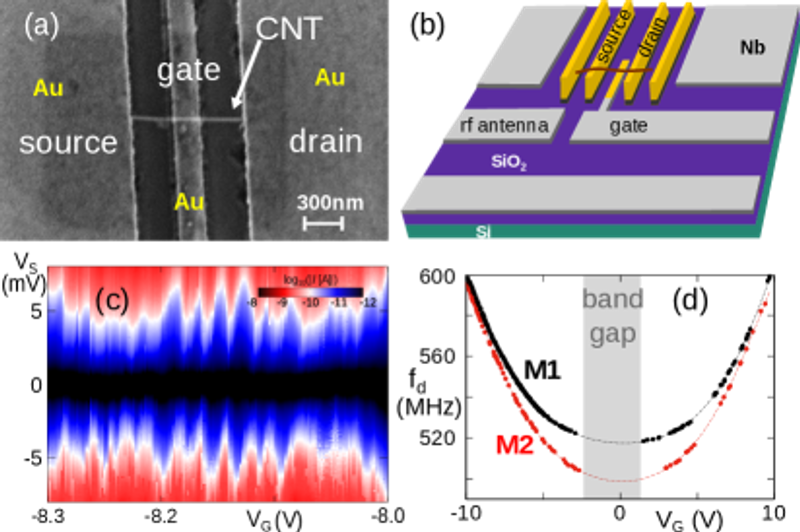
Researchers measured the Duffing nonlinear mechanical response of a suspended single-wall carbon nanotube quantum dot at 13 mK, extracting an electromechanical coupling ratio g/ωm of 4.0 and observing an anomalous stiffening-spring Duffing parameter near single-electron tunneling regions where softening was theoretically expected. The unexplained sign discrepancy in the nonlinear spring behavior challenges existing models of electron-vibron coupling in carbon nanotube resonators and has implications for the design of CNT-based nanoelectromechanical sensors and qubits operating in the ultrastrong coupling regime.

Thirteenth Nano Research Award goes to Xiangfeng Duan and Akira Fujishima
News1 July 2026

Thirteenth Nano Research Award goes to Xiangfeng Duan and Akira Fujishima

Tsinghua University Press awarded the 13th annual Nano Research Award to UCLA professor Xiangfeng Duan, recognized for his work on 2D materials, van der Waals heterostructures, and porous graphene architectures, and to Akira Fujishima of the University of Shanghai for Science and Technology, recognized for discovering the Honda–Fujishima Effect and pioneering TiO₂ photocatalysis. Duan's advances in graphene-based energy storage and 2D material synthesis are directly relevant to the carbon materials sector, while Fujishima's photocatalytic coatings have established commercial applications in surface decontamination and industrial wastewater treatment.

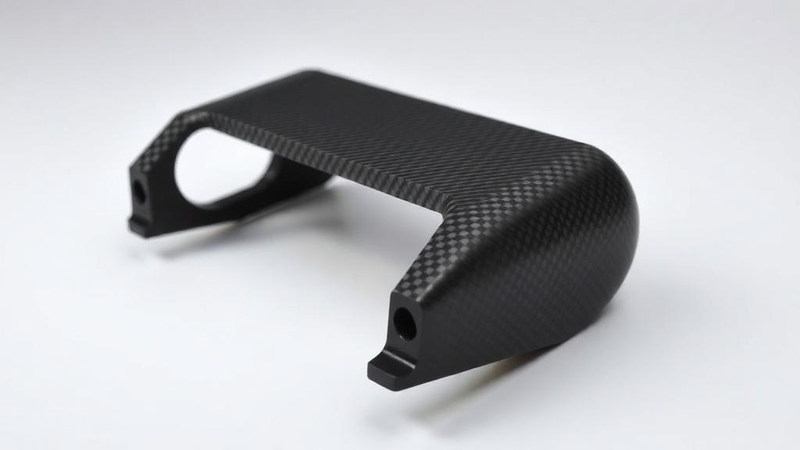
Carbon Nanotube Film/Fiber-Based Hybrids by Professor Chang Liu
News1 July 2026

Carbon Nanotube Film/Fiber-Based Hybrids by Professor Chang Liu

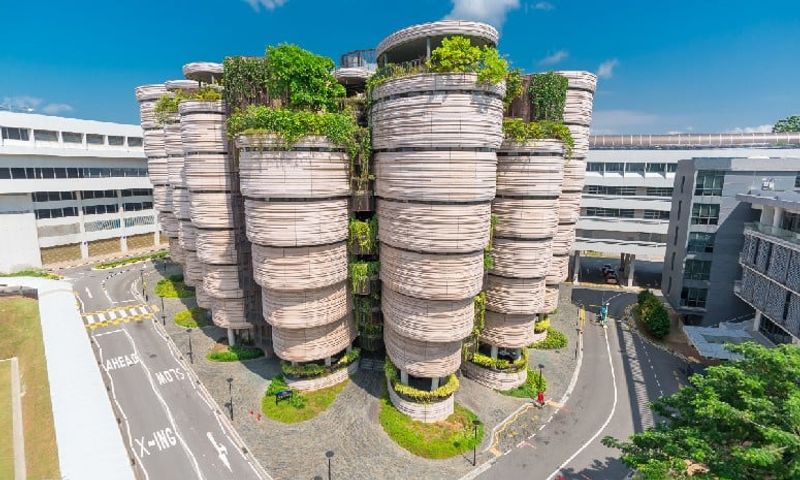
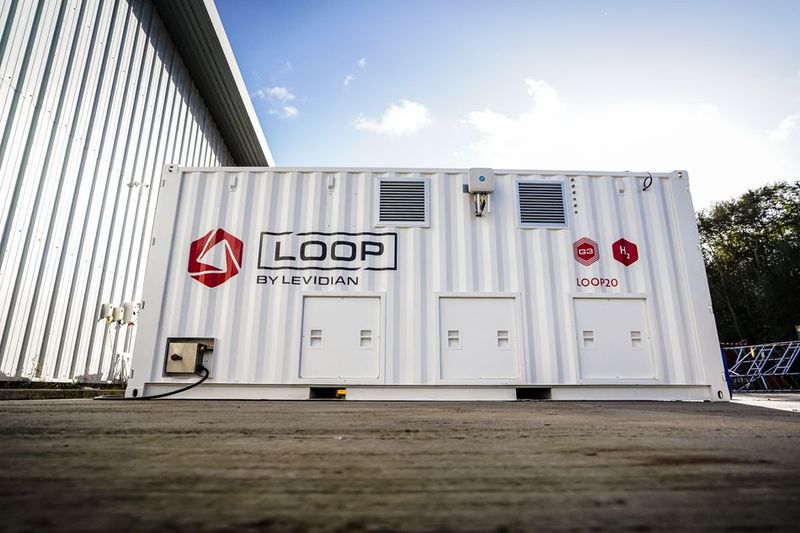
Professor Chang Liu of the Institute of Metal Research, Chinese Academy of Sciences presented research at an NTU MSE seminar on SWCNT-based hybrid materials, including a SWCNT/Cu core-shell fiber with a specific electrical conductivity of 1.15×10⁴ S m² kg⁻¹ and FeCl3-filled CNT fibers reaching 1.35×10⁷ S m⁻¹ conductivity and 2.54 GPa tensile strength. The work advances CNT fiber and film applications in electrical conductors, thermoelectric devices, and electrocatalysis by addressing the longstanding dispersion challenge that has limited SWCNT composite development.

£1.9m fellowship to scale next-generation 2D materials technologies
News30 June 2026

£1.9m fellowship to scale next-generation 2D materials technologies

Professor Roman Gorbachev at the University of Manchester received a £1.9 million EPSRC Open Fellowship to lead a five-year project scaling van der Waals 2D material heterostructures from micrometre samples to wafer-scale fabrication using a new ultra-high vacuum platform. The work directly advances graphene and 2D materials manufacturing by targeting industrial-process compatibility and establishing a UK fabrication hub accessible to academic and industry users.

Nanomaterials Could Help Italy Close Its Renewable Energy Storage Gap
News30 June 2026

Nanomaterials Could Help Italy Close Its Renewable Energy Storage Gap

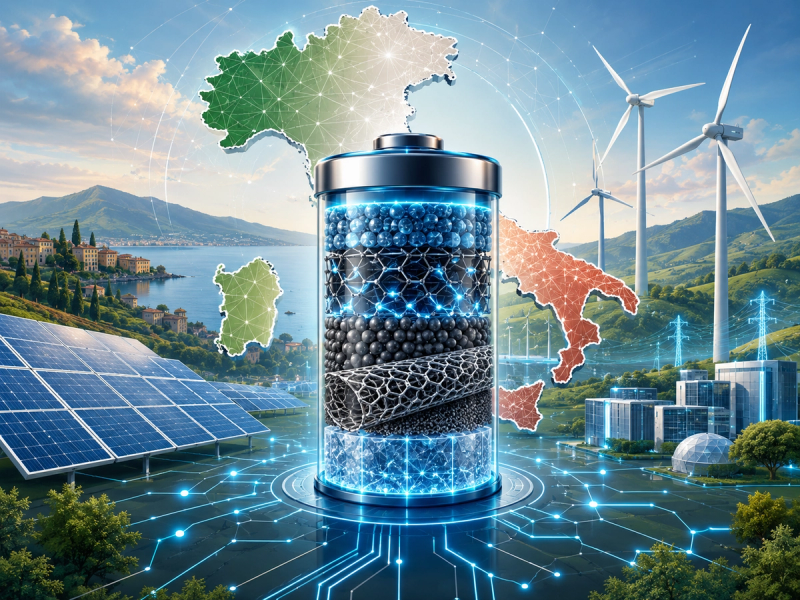
Graphene-based energy storage systems have been reported to reach energy densities up to 650 Wh/kg, compared to 150–250 Wh/kg for conventional lithium-ion batteries, according to a report focused on Italy's renewable energy storage needs. This performance gap highlights graphene's potential role in grid-scale storage applications, a key growth area for the advanced carbon materials sector.

Research Unveils True Drivers of Nanoscale Water Chemistry
News30 June 2026

Research Unveils True Drivers of Nanoscale Water Chemistry

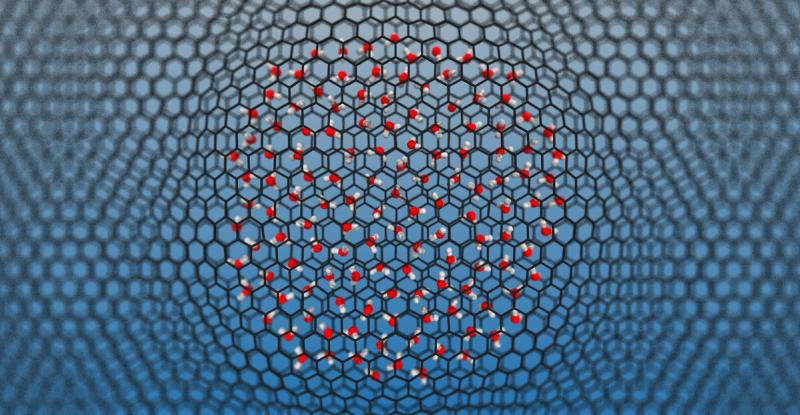
Researchers from Cambridge, Harvard, Caltech, and the Max-Planck Institute for Polymer Research published findings in Science Advances showing that nanoconfined water's apparent chemical reactivity is driven by pressure and surface chemistry rather than confinement itself, with hydroxide ions bonding to hexagonal boron nitride walls but not to inert graphene. The work offers a design principle for tailoring water reactivity by selecting confining materials and controlling internal pressures, with direct relevance to graphene-based membranes, carbon electrodes in batteries and fuel cells, and the broader development of two-dimensional carbon and carbon-adjacent materials for electrochemical applications.

Gyeongsangbuk-do Province to establish foundation for industrial innovation
News30 June 2026

Gyeongsangbuk-do Province to establish foundation for industrial innovation

Gyeongsangbuk-do Province secured 30 billion won in South Korean state funds across three projects targeting graphene 2D nanomaterials, ultra-precise electronic glass, and on-device AI for manufacturing, running from 2026 to 2030. The graphene project, organized by POSTECH Nano Convergence Technology Institute with 14.3 billion won, aims to build Korea's first end-to-end infrastructure covering graphene synthesis through to commercialization, addressing the country's longstanding gap between R&D capability and industrial-scale production.

Princeton Team Studies Anyon Confinement For Topological Quantum Computation
News30 June 2026

Princeton Team Studies Anyon Confinement For Topological Quantum Computation

Jeong Min Park and colleagues at Princeton University used scanning tunneling microscopy/spectroscopy to observe energy splitting in fractional quantum Hall states of graphene at filling factors of 1/3 and 2/5, caused by multi-anyon configurations trapped near charged impurities. The findings establish local tunneling spectroscopy as a method for probing anyon bound states in graphene, a material central to advanced carbon research, with implications for topological quantum computation relying on graphene's two-dimensional electron properties.

PowerCo selects OCSiAl nanotubes for battery additives
News30 June 2026

PowerCo selects OCSiAl nanotubes for battery additives

PowerCo, Volkswagen Group's battery subsidiary, selected OCSiAl to supply TUBALL single-wall carbon nanotube additives for the graphite anodes of its Unified Cell platform, manufactured at OCSiAl's Serbia facility. The deal expands the role of single-wall carbon nanotubes in large-scale EV battery production, with OCSiAl now supplying the majority of European EV battery manufacturers and planning a $300 million graphene nanotube facility in Luxembourg.

Argo Graphene Solutions Corp. Announces Closing of License and Technology Transfer
News30 June 2026

Argo Graphene Solutions Corp. Announces Closing of License and Technology Transfer

Argo Graphene Solutions Corp. (CSE: ARGO) closed a license agreement with Grapherry, Inc. on June 25, 2026, acquiring an exclusive worldwide license to Grapherry's STREAM graphene production platform in exchange for up to 11,000,000 common shares and 5,500,000 warrants, with full technology ownership transferring to Argo upon full share issuance. The deal gives Argo control over a scalable graphene production technology targeting construction, agriculture, and energy storage applications, while Grapherry's CEO Vikas Berry joined Argo's board and the company's existing CEO Scott Smale resigned.

IIT Kanpur Maps Beating Nodes To Graphene's ...
News30 June 2026

IIT Kanpur Maps Beating Nodes To Graphene's ...

Researchers at IIT Kanpur and the Indian Institute of Science Bangalore derived scaling relations from Onsager's quantization relation to distinguish the origins of quantum oscillation beating in graphene, showing that a pseudomagnetic field yields Nc,j ∝ (2j+1)Bc,j² while energy splitting yields Nc,j ∝ (2j+1)²Bc,j². The framework gives experimentalists a quantitative tool to identify strain-induced pseudomagnetic fields versus valley- or spin-dependent band splittings in graphene-based systems, directly informing the characterization of graphene materials and devices.

Exploring long-range magnetism with graphene
News30 June 2026

Exploring long-range magnetism with graphene

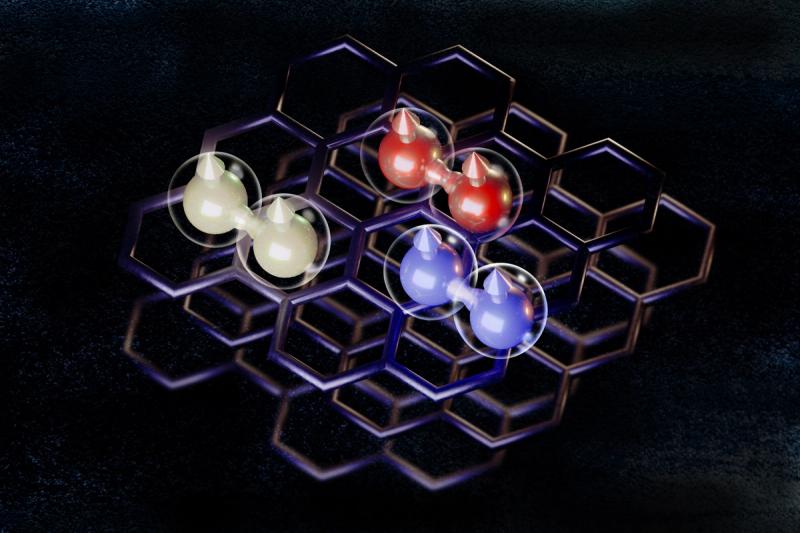
Researchers at INL and Universidad Autónoma de Madrid used a scanning tunnelling microscope to place individual hydrogen atoms on graphene, observing spin interactions across distances exceeding 10 nanometres, with findings published in Nature Communications. The work establishes graphene as a platform for atomic-scale magnetic control, which has potential implications for quantum computing applications that rely on engineered carbon-based materials.

Graphene plasmon cavities enable advanced, scalable terahertz photodetectors
News30 June 2026

Graphene plasmon cavities enable advanced, scalable terahertz photodetectors

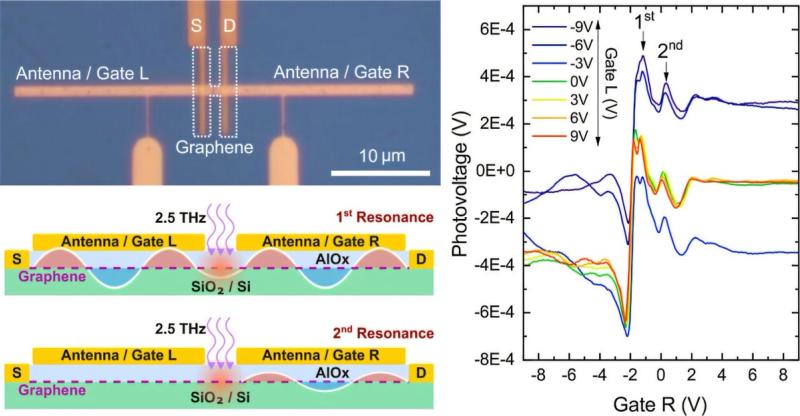
Researchers at ICFO and partner institutions built a monolayer graphene terahertz photodetector using acoustic graphene plasmon cavities grown via chemical vapor deposition, achieving a 30% higher photoresponse than conventional devices without hexagonal boron nitride encapsulation, published in ACS Photonics in 2026. The result shows that CVD-grown graphene can deliver competitive THz detection performance without the fabrication complexity of hBN encapsulation, lowering a barrier to large-scale graphene device manufacturing.

Graphene in Canada, from elegant materials science to investable industrial reality
News30 June 2026

Graphene in Canada, from elegant materials science to investable industrial reality

Canada's graphene sector has developed across production, construction, filtration, printed electronics, and energy storage, with companies such as NanoXplore operating a 4,000-metric-ton-per-year facility in Montréal and firms like Zentek and Graphene Leaders Canada advancing application-specific products toward commercial deployment. The ecosystem signals a shift from materials science demonstration toward repeatable industrial use cases in carbon-based composites, conductive additives, and separation technologies, though commercial viability still depends on product qualification, standardization, and cost competitiveness against incumbent materials.

Industrial Water Treatment with Graphene and Antifouling
News30 June 2026

Industrial Water Treatment with Graphene and Antifouling

Researchers and engineers are evaluating graphene oxide and reduced graphene oxide as adsorbents, antifouling coatings, catalytic supports, and modified membrane layers within industrial water treatment systems targeting COD removal, biofouling control, and reverse osmosis feed protection. The graphene sector faces a clear scaling challenge, as industrial adoption of these carbon nanomaterials depends on demonstrating mechanical stability, resistance to chemical cleaning cycles, controlled delamination, and validated cost-per-cubic-meter performance in pilot tests using real effluent matrices.

News30 June 2026

Materials Verification Measurement Standards and Maturation of Advanced Carbon Technologies

Terrance Barkan of the Advanced Carbons Council and Dr. Andrew Pollard of the UK's National Physical Laboratory discussed how measurement science, standardization, and materials verification underpin the commercialization of graphene and other advanced carbon materials. For the sector, the conversation highlights that without validated characterization methods and traceable measurement standards, reproducible manufacturing and scalable deployment of carbon nanomaterials — including graphene, carbon nanotubes, and emerging MXenes — remain unachievable.

News30 June 2026

Nanodiamonds By Molecular Design

A team led by Yingke Wu and Tanja Weil at the Max Planck Institute for Polymer Research synthesized 3–4 nm nanodiamonds from nanographene building blocks under high pressure and temperature, publishing the results in Nature. The bottom-up method gives precise control over nanodiamond size and allows silicon- and germanium-based optical emitters to be incorporated during synthesis without post-processing, which is relevant for carbon-based quantum and photonic material development.

Fullerene Synthesis Technology, Characterization & Properties
News30 June 2026

Fullerene Synthesis Technology, Characterization & Properties

Fullerene C60, a cage-like carbon nanomaterial discovered in 1985, is under active research for applications in organic electronics, photovoltaics, lubricants, coatings, biomedical systems, and perovskite/silicon tandem solar cells. Within the advanced carbon materials sector, C60 occupies a distinct niche from fiber- or graphene-based materials, with its electron-accepting properties and molecular tunability driving continued interest in energy and specialty coating applications.

New hollow nanotube structure designed to convert waste heat into electricity
News30 June 2026

New hollow nanotube structure designed to convert waste heat into electricity

Researchers at POSTECH in South Korea engineered hollow silicon nanotube structures that reduced thermal conductivity by 70% compared to solid silicon nanowires by trapping phonons at near-room temperature. The approach uses abundant silicon compatible with existing semiconductor manufacturing, offering a potential alternative to rare-material-dependent thermoelectric devices for waste heat recovery in data centers, EV batteries, and industrial facilities.

News30 June 2026

Canatu changes its leadership structure to drive efficiency and growth

Canatu Plc restructured its leadership team on June 25, 2026, consolidating reporting lines directly to CEO Maximilian Slawinski and renaming its Automotive business unit to Robotics, Mobility and Defence. The reorganization signals Canatu's broadened market focus for its carbon nanotube products beyond automotive into robotics and defence applications.

Why Anisotropic Graphene Is a Game Changer for Thermal Conductive Materials
News30 June 2026

Why Anisotropic Graphene Is a Game Changer for Thermal Conductive Materials

Graphene's single-atom-thick sheet structure forms strong in-plane covalent bonds that enable rapid heat conduction along its surface while limiting conductivity in the perpendicular direction, producing highly anisotropic thermal behavior. This directional heat management capability makes graphene-based thermal materials relevant for electronics cooling and composite applications where controlling heat flow pathways is a design requirement.

Plastic bottles turned into electric vehicle battery material
News30 June 2026

Plastic bottles turned into electric vehicle battery material

Penn State researchers converted waste PET plastic bottles into synthetic graphite by blending shredded PET with 2.5% graphene oxide by weight and applying heat treatment, producing crystallite dimensions that exceeded those of natural graphite without metal catalysts. The metal-free process reduces post-processing steps needed to achieve battery-grade purity and could supply graphitic carbon for lithium-ion anodes and hard carbon for sodium-ion batteries from a single plastic waste feedstock.

New research reveals what really controls water chemistry in nanoscale spaces
News30 June 2026

New research reveals what really controls water chemistry in nanoscale spaces

Researchers from Cambridge, Harvard, Caltech, and the Max-Planck Institute for Polymer Research used machine-learning simulations to study water confined between graphene and hexagonal boron nitride sheets, finding that confinement alone does not alter water's reactivity but that pressure and surface chemistry of the confining material are the controlling factors. For the carbon materials sector, the study establishes that graphene's chemically inert surface does not enhance water dissociation, while reactive surfaces like hBN do, offering a design principle for selecting 2D carbon and non-carbon materials in membranes, fuel cells, and electrochemical systems.

Box-Behnken Optimized One-Step CO-Synthesis of Poly(pyrocatechol violet)-Reduced Graphene
News30 June 2026

Box-Behnken Optimized One-Step CO-Synthesis of Poly(pyrocatechol violet)-Reduced Graphene

Researchers at Vietnamese universities fabricated a glassy carbon electrode modified with poly(pyrocatechol violet) and electrochemically reduced graphene oxide using one-step cyclic voltammetry, achieving a metronidazole detection limit of 0.013 µM. The work demonstrates a route to functionalized reduced graphene oxide composites that avoids toxic chemical reductants, relevant to the development of graphene-based electrochemical sensing materials.

Max Planck researchers produce nanodiamonds from graphene
News30 June 2026

Max Planck researchers produce nanodiamonds from graphene

Researchers at the Max Planck Institute for Polymer Research, led by Yingke Wu and Tanja Weil, synthesized nanodiamonds of 3–4 nanometers from graphene fragments using high pressure and high temperature, publishing the results in Nature. The bottom-up method allows precise control over nanodiamond size, structure, and dopant atoms—such as nitrogen for vacancy centers or silicon for photoluminescence—which is relevant for graphene-derived carbon nanomaterials and quantum photonics applications.

What really controls water chemistry in nanoscale spaces
News30 June 2026

What really controls water chemistry in nanoscale spaces

Researchers from Cambridge, Harvard, Caltech, and the Max Planck Institute for Polymer Research published findings in Science Advances showing that nanoconfined water's apparent chemical reactivity is driven by pressure and surface chemistry rather than confinement itself, using machine-learning simulations of water trapped between graphene and hexagonal boron nitride sheets. The work establishes that graphene's chemically inert surface leaves water reactivity unchanged, while reactive surfaces like hBN can actively enhance water dissociation—a design principle relevant to graphene and 2D carbon material applications in membranes, fuel cells, and electrochemical systems.

This “impossible” French plane slashes energy use by a staggering 90%
News30 June 2026

This “impossible” French plane slashes energy use by a staggering 90%

French startup Eenuee, founded in 2019 near Saint-Étienne, is developing a 19-seat blended-wing-body electric regional aircraft called Gen-ee, projecting 11 times lower energy consumption than conventional aircraft of similar size, with a first full-scale prototype flight targeted for 2029. The airframe relies on advanced carbon-fiber composites developed with Duqueine Group, making composite material performance a direct enabler of the aircraft's 40%-lighter unpressurized structure and overall efficiency claims.
From bin to biogas
News29 June 2026

From bin to biogas

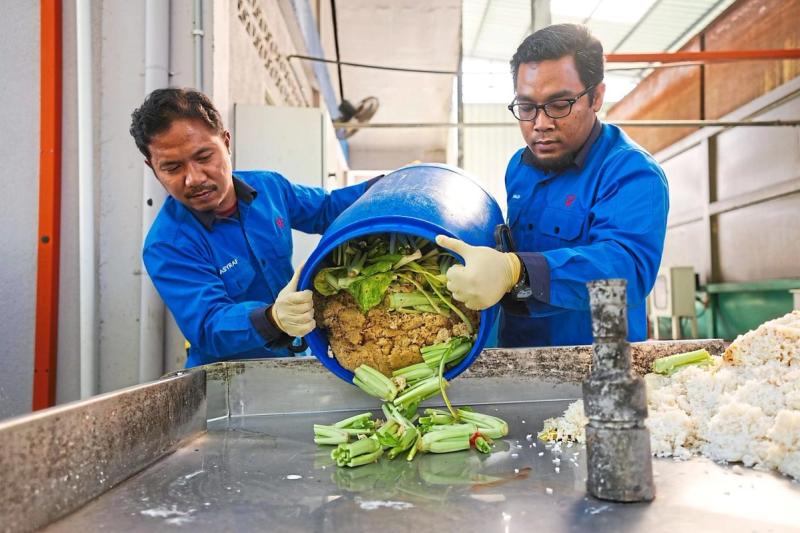
TNB Research has operated an anaerobic digestion and torrefaction pilot facility in Kajang since 2018, processing up to 350kg of food waste daily to produce biogas with 60–65% methane content and 10–30kg of biochar per torrefaction cycle. The biochar output is being evaluated for carbon material applications, soil improvement, and solid fuel enhancement, with data from the pilot intended to inform future scale-up decisions.

Advanced Carbons vs. Carbon Capture & Sequestration
Opinion Article23 June 2026

Advanced Carbons vs. Carbon Capture & Sequestration

The Advanced Carbons Council published a position paper in May 2026 arguing that carbon credit financing should be redirected from geological carbon capture and sequestration toward conversion of captured carbon into advanced materials such as graphene, carbon fiber, biochar, and carbon nanotubes. The paper contends that carbon-to-materials conversion projects are commercially self-sustaining without ongoing subsidies, unlike CCS, and deliver compounding lifecycle emissions reductions across sectors including construction, aerospace, agriculture, and energy storage.

News23 June 2026

Electronic structure, intervalley coupling of artificial and genuine graphene superlattices

Researchers studied the electronic structure and intervalley coupling of graphene superlattices, comparing artificial superlattices with genuine graphene-based ones, including monolayer/bilayer graphene heterostructure configurations analyzed via transfer matrix theory. The findings advance understanding of electron behavior in graphene superlattices, which is relevant to engineering graphene's electronic properties for applications in graphene-based devices and materials.

Solidion Technology Withdraws Previously Filed Registration Statement
News18 June 2026

Solidion Technology Withdraws Previously Filed Registration Statement

Solidion Technology (Nasdaq: STI) withdrew its previously filed Form S-1 registration statement with the SEC on June 10, 2026, citing unfavorable market conditions and deal terms. The move affects a company developing graphene-enabled silicon anodes and biomass-based graphite materials, signaling that capital access constraints may slow near-term commercialization of these advanced carbon battery materials.

The Graphene Commercialization Maturity Journey
Research Summary12 June 2026

The Graphene Commercialization Maturity Journey

Terrance Barkan of The Graphene Council published a framework mapping the commercialization maturity journey of graphene through stages from discovery to mature commercialization, identifying nine recurring obstacles including capital access, regulation, standardization, and value chain complexity. The framework positions graphene as approaching proven commercial viability in multiple application areas—including composites, construction materials, and thermal management—while arguing that its "killer application" lies in broad adoption as a performance-enhancing additive across sectors rather than in any single use case.

News10 June 2026

Sicona Battery Technologies hits 600 Wh/kg with graphene-silicon anode pilot

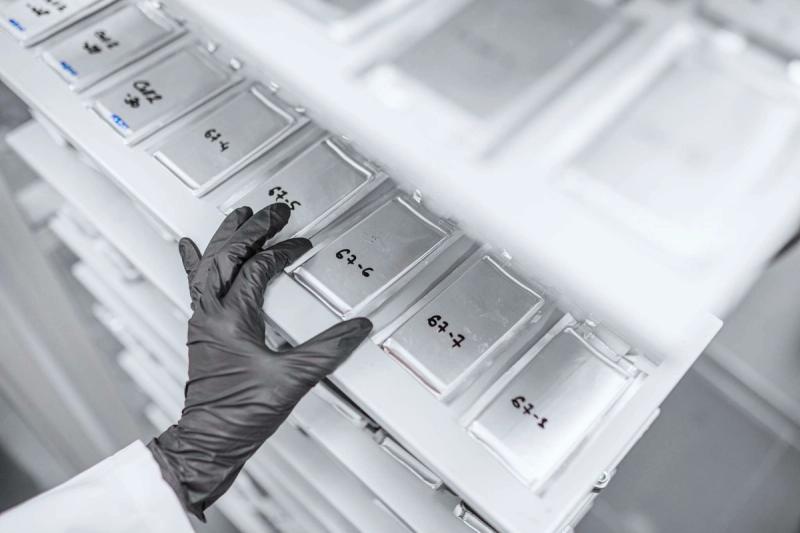
Sicona Battery Technologies validated 600 Wh/kg energy density in graphene-wrapped silicon anode pouch cells at its Wollongong pilot line, achieving 1,200-cycle retention above 80 percent capacity with a 200 MWh/year scale-up targeted for late 2027. The result advances graphene's role as a structural buffer for silicon anodes, a combination the carbon materials and battery sectors have pursued to overcome silicon's volumetric expansion problem at commercial scale.

Brookhaven National Lab reveals new graphene band structure tunable by magnetic field
News10 June 2026

Brookhaven National Lab reveals new graphene band structure tunable by magnetic field

Researchers at Brookhaven National Laboratory used a 36 Tesla magnet to observe a previously unknown flat-band state in pristine graphene that emerges at integer multiples of an applied magnetic field, publishing the findings in Physical Review Letters. The tunable band structure could inform the design of graphene-based Hall sensors and resistance metrology standards.

Hefei Institutes demonstrate graphene-based terahertz modulator at room temperature
News10 June 2026

Hefei Institutes demonstrate graphene-based terahertz modulator at room temperature

Scientists at the Hefei Institutes of Physical Science demonstrated a graphene-based terahertz modulator achieving 92% modulation depth at 0.4 THz and switching speeds approaching 100 GHz, with results published in Nature Photonics. The device's fabrication in standard semiconductor cleanroom processes positions graphene as a viable material for scalable 6G wireless components operating in the terahertz band.

Nanospan launches graphene-enhanced corrosion inhibitor for offshore wind farms
News10 June 2026

Nanospan launches graphene-enhanced corrosion inhibitor for offshore wind farms

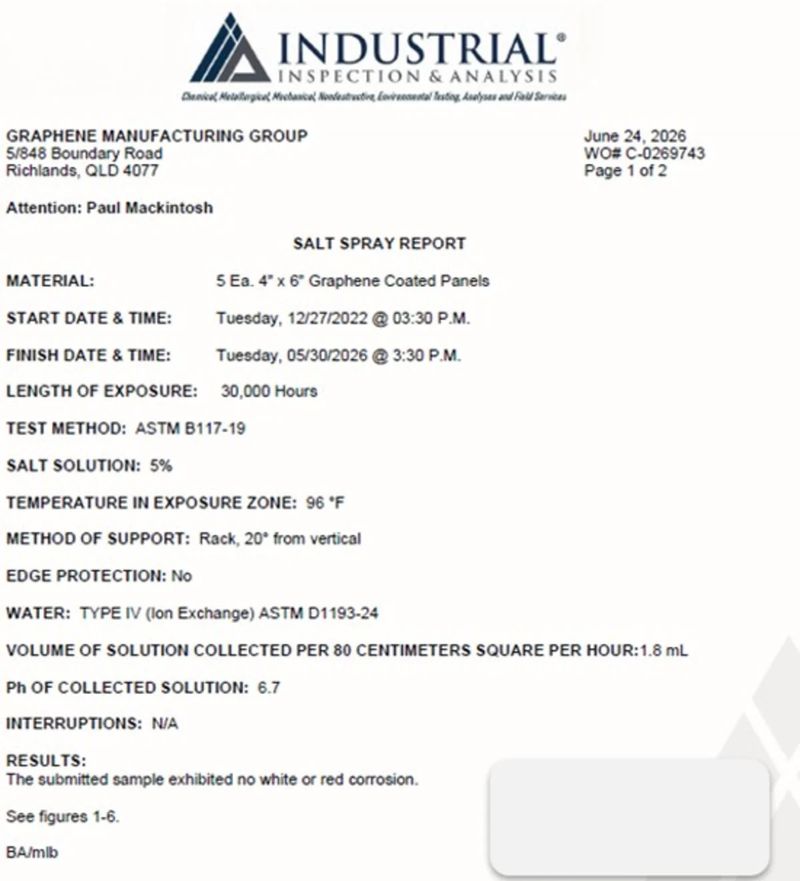
Nanospan commercially launched GalvaShield-G, a graphene-enhanced corrosion inhibitor coating for offshore wind turbine towers and monopile foundations, priced at EUR 18 per litre and produced at its Hyderabad facility at 1,200 tonnes per annum capacity. The product demonstrates a commercial application of graphene in protective coatings for harsh marine environments, with third-party-validated maintenance interval extension from 5 to 12 years supporting the case for graphene's functional value in infrastructure composites.

Tsinghua publishes scalable CVD process for wafer-scale graphene transfer with <1% defects
News10 June 2026

Tsinghua publishes scalable CVD process for wafer-scale graphene transfer with <1% defects

Tsinghua University researchers published a CVD process in Nature Materials that produces single-crystal graphene across 12-inch silicon wafers with defect densities below 1%, using a copper-nickel alloy substrate and a dry-transfer method, achieving carrier mobilities above 16,000 cm²/V·s. The process is compatible with existing semiconductor fab infrastructure and has been licensed to SMIC and TSMC, advancing the prospect of graphene integration into commercial microelectronics manufacturing.

News10 June 2026

Designing Graphene Defects Opens New Possibilities for Future Tech

Researchers from the University of Warwick, University of Nottingham, and Diamond Light Source grew graphene films with controllable defect densities using a molecule called azupyrene, which naturally incorporates five- and seven-membered carbon rings, with defect levels tuned by growth temperature. The method gives the graphene sector a reproducible route to engineer surface reactivity, with direct implications for graphene-based catalysts and gas sensors.

Inspire Nano licenses graphene electrode platform to Furukawa Electric
News10 June 2026

Inspire Nano licenses graphene electrode platform to Furukawa Electric

Inspire Nano licensed its graphene-coated copper electrode platform to Furukawa Electric for Asia-Pacific high-frequency signal transmission applications in a deal worth $9 million upfront plus royalties. The graphene coating reduces skin-effect losses at frequencies above 1 GHz by 22 percent, with direct relevance to graphene commercialization in 5G/6G infrastructure and data center cable markets.

Peking University researchers develop graphene electrode for high-cycle solid-state lithium battery
News10 June 2026

Peking University researchers develop graphene electrode for high-cycle solid-state lithium battery

Peking University researchers developed a graphene-coated lithium metal electrode that allows solid-state batteries to retain 92% capacity after 5,000 cycles, with findings published in Joule. The graphene coating's role in suppressing dendrite growth at the lithium-sulfide electrolyte interface advances a known barrier to commercial solid-state battery adoption, with scale-up trials planned with two Chinese manufacturers for late 2026.

News10 June 2026

Korea University team grows centimetre-scale single-crystal graphene on copper foil

A Korea University team led by Professor Lee Ji-hye grew 4 cm × 4 cm single-crystal graphene domains on copper foil via modulated CVD with hydrogen pressure cycling, surpassing the previous ~2.5 cm record, as reported in Nature Nanotechnology. The grain-boundary-free films, compatible with existing industrial CVD reactors, achieve carrier mobilities up to 600,000 cm²/V·s, advancing the viability of large-area defect-free graphene for high-performance electronics.

Machine learning proves graphene is hydrophobic
News10 June 2026

Machine learning proves graphene is hydrophobic

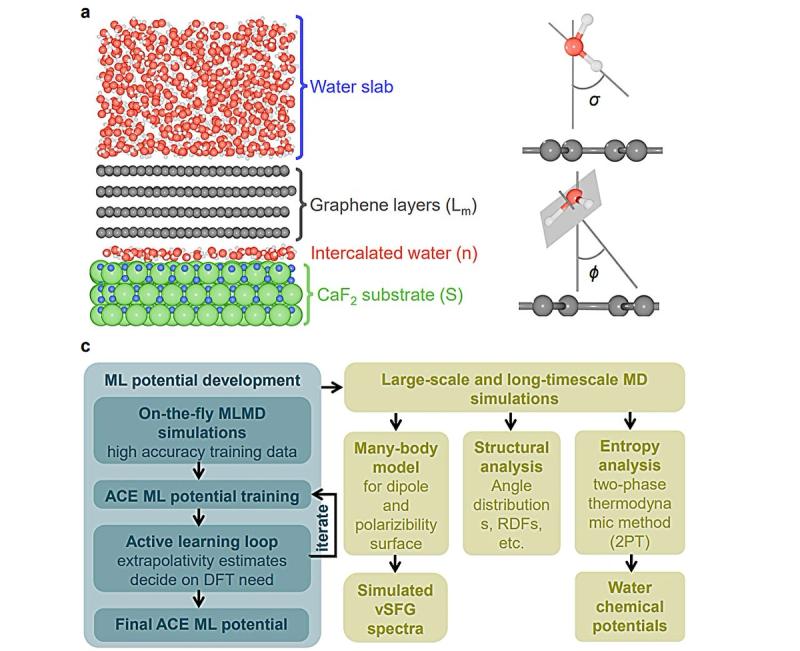
Researchers at the Institute for Basic Science and Korea University used machine-learning interatomic potentials to demonstrate that pristine graphene is intrinsically hydrophobic, with apparent hydrophilic behavior in prior experiments caused by water molecules intercalating beneath monolayer graphene and canceling spectroscopic signals. The findings clarify graphene's true interfacial properties, with direct implications for graphene-based desalination membranes, nanofluidic devices, and fuel cells where unintended water intercalation must be accounted for in design.

GMG Applies for Additional Environmental Approvals for Graphene Production in USA
News10 June 2026

GMG Applies for Additional Environmental Approvals for Graphene Production in USA

Graphene Manufacturing Group (GMG) submitted a Significant New Use Notice (SNUN) to the US EPA on June 2, 2026, seeking authorization to manufacture, distribute, and sell graphene coatings, lubricants, and fluids domestically in the United States, with approval expected by end of June 2027. The filing marks a shift from export-only access to domestic graphene production in the US, which could establish a local graphene supply chain for industrial applications including HVAC coatings and engine lubricant additives.

Osaka University team builds graphene gas sensor that detects a single CO2 molecule
News10 June 2026

Osaka University team builds graphene gas sensor that detects a single CO2 molecule

A research team at Osaka University built a graphene nanoribbon-based gas sensor capable of detecting individual CO2 molecules at ambient pressure, achieving detection limits below 10 parts per trillion, as published in Nature Materials. The result demonstrates graphene nanoribbons as a viable platform for ultra-sensitive gas detection, with potential applications in environmental monitoring and medical breath analysis.

EMPA shows graphene composite reduces aircraft de-icing energy by 60%
News10 June 2026

EMPA shows graphene composite reduces aircraft de-icing energy by 60%

Researchers at EMPA demonstrated a graphene-composite leading-edge skin that reduces aircraft de-icing energy consumption by 60%, achieving ice shedding at 5 W/cm² in panels tested at -25°C and 240 km/h after 1,200 cycles without delamination. The result advances graphene's case as a functional heating element within carbon-fibre-reinforced polymer structures for aerospace applications, with EMPA now scaling production toward trial integration in a commercial trainer aircraft.

News10 June 2026

CSIC develops graphene-polymer separator for safer lithium-ion batteries

CSIC researchers developed an 18-micron graphene-polymer composite separator combining polypropylene with 0.5 wt% reduced graphene oxide, achieving 4x greater puncture resistance and a 60% reduction in thermal-runaway initiation temperatures in lithium-ion batteries. The development advances reduced graphene oxide as a functional additive in battery separators, with pilot-scale production underway alongside a Spanish cell manufacturer targeting NCM-based EV applications.

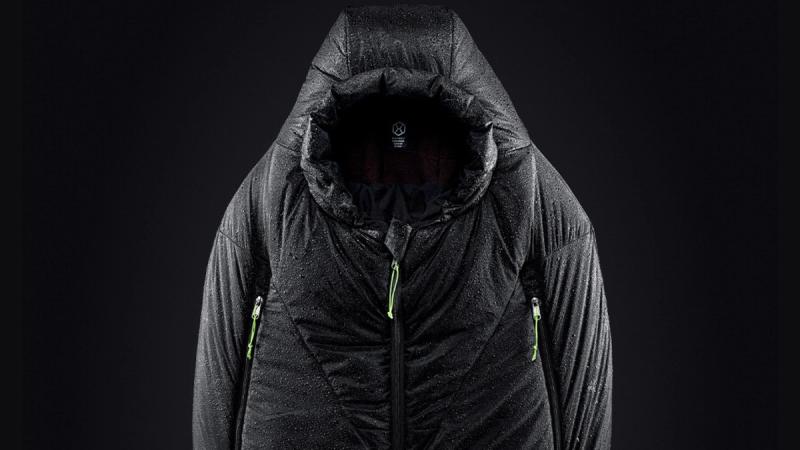
Modular NASA-inspired sleeping bag offers comfort down to -22°F
News10 June 2026

Modular NASA-inspired sleeping bag offers comfort down to -22°F

Graphene-X, a Hong Kong-based outdoor gear company, launched the Tardigrade Sleeping System via Kickstarter, a modular sleeping bag rated to -22°F that incorporates graphene-based materials. The product signals growing commercial application of graphene in consumer thermal regulation gear beyond industrial and electronics uses.

News10 June 2026

NUS unveils graphene biosensor detecting tumour markers in saliva

A team at the National University of Singapore developed a graphene field-effect transistor biosensor that detects four oral cancer biomarkers from saliva in 90 seconds, achieving 94.2% sensitivity and 91.8% specificity in a 220-patient clinical pilot. The device demonstrates a scalable diagnostic application for functionalized graphene, with a spinout company pursuing commercialization and a projected per-test cost under 4 USD.

University of Exeter demonstrates graphene-based UV photodetector with 10x faster response
News10 June 2026

University of Exeter demonstrates graphene-based UV photodetector with 10x faster response

The University of Exeter's Centre for Graphene Science demonstrated a graphene-zinc oxide heterostructure UV photodetector with an 8-nanosecond response time at 365 nm, 10x faster than commercial silicon devices, as published in Advanced Materials. The result advances graphene's case as a functional material in high-speed optoelectronics, with Hamamatsu Photonics engaged for industrial-scale validation and patents filed across three jurisdictions.

NeoGraf opens flexible graphite sheet line in Ohio for thermal interface market
News10 June 2026

NeoGraf opens flexible graphite sheet line in Ohio for thermal interface market

NeoGraf commissioned a new production line at its Lakewood, Ohio facility, adding 2,000 tonnes per annum of flexible graphite sheet capacity funded by a $38 million investment, bringing its total to 11,000 tonnes per annum. The expansion increases domestic supply of high-purity exfoliated graphite sheets for EV battery thermal management, where the material's in-plane thermal conductivity above 600 W/m·K at low density addresses a critical requirement for North American automotive manufacturers.

News10 June 2026

GraphEnergyTech's graphene solar breakthrough, ICYMI

GraphEnergyTech, the University of Cambridge, Taiwan Perovskite Solar Corporation, and ITRI launched the GETPSC project to develop graphene-based electrodes as a replacement for silver electrodes in perovskite solar cells. The project targets a known barrier to commercial-scale perovskite adoption, with potential secondary applications for GraphEnergyTech's conductive carbon technology in batteries, supercapacitors, and electronics.

Premier Graphene partners with Mitsubishi Pencil on conductive inks
News10 June 2026

Premier Graphene partners with Mitsubishi Pencil on conductive inks

Premier Graphene Inc and Mitsubishi Pencil Company signed a joint development agreement to co-develop graphene-based conductive inks for printed electronics, targeting two co-branded product launches in late 2026 with a combined first-year revenue target of 12 million USD. The deal advances commercial adoption of single-layer graphene dispersions in printed electronics applications such as RFID tags, smart packaging, and biosensor electrodes.

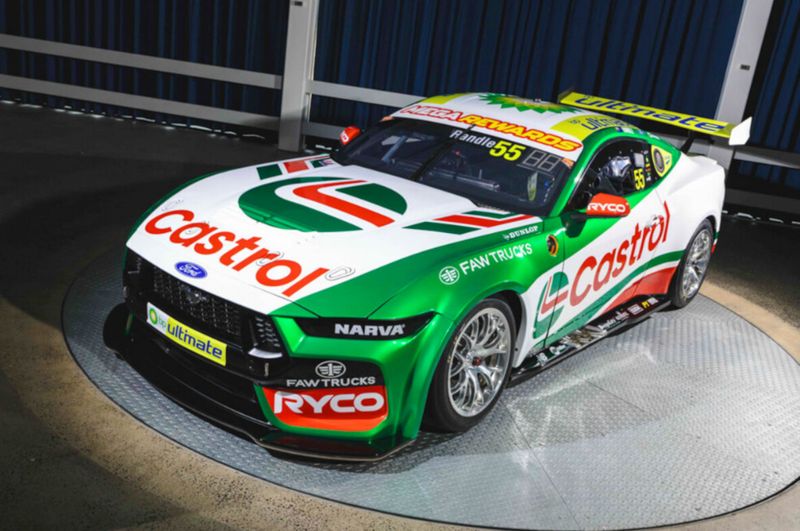
Graphene Manufacturing Group & Tickford Racing join to improve efficiency on and off track
News10 June 2026

Graphene Manufacturing Group & Tickford Racing join to improve efficiency on and off track

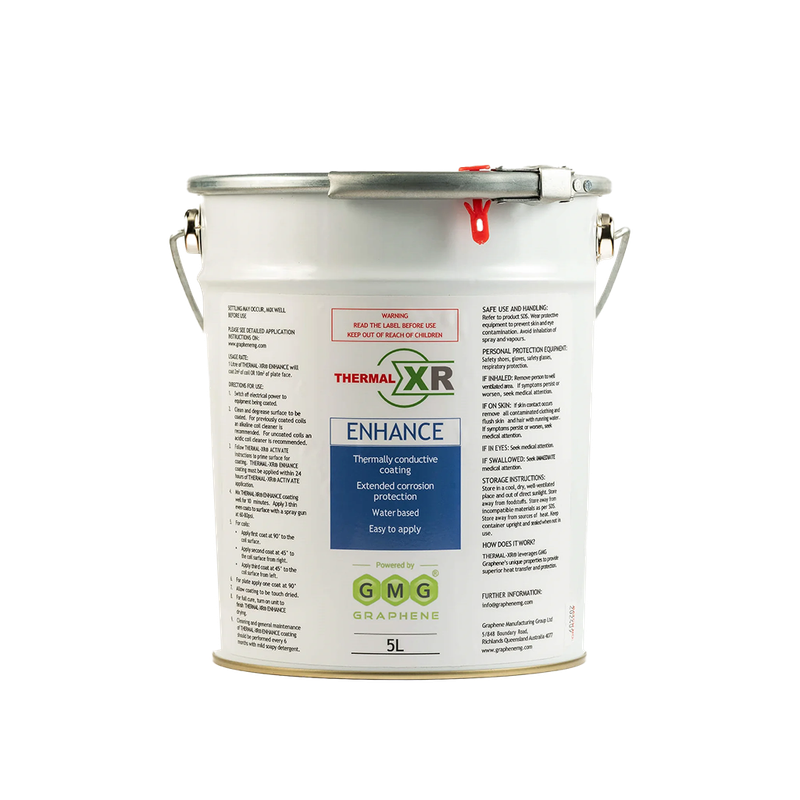
Graphene Manufacturing Group (GMG) partnered with Australian Supercars team Tickford Racing to trial GMG's liquid graphene products, including G Lubricant and THERMAL-XR, across Tickford's workshop and event infrastructure. The partnership provides GMG with a real-world performance testing environment to generate documented case studies validating its graphene-based lubricant and thermal products for broader industrial customers.

IISc shows graphene quantum dot LED with record blue emission efficiency
News10 June 2026

IISc shows graphene quantum dot LED with record blue emission efficiency

Researchers at the Indian Institute of Science published a graphene quantum dot LED achieving 23% external quantum efficiency in the blue spectrum in Nature Photonics, using sulfur-functionalized, size-controlled graphene quantum dots to reduce non-radiative recombination. The result advances graphene quantum dots as viable blue emitters for display applications, with the team already collaborating with Samsung Display on integration into commercial display stacks.

News10 June 2026

Graphene origami makes exotic material states more accessible

Researchers developed a graphene origami method using a polymer micro-tip to fold and twist graphene on silicon dioxide substrates, producing controlled stacking and twist-angle configurations from a single sample. The technique offers a more stable and cost-effective alternative to tear-and-stack fabrication for accessing quantum states in twisted few-layer graphene, which is relevant to graphene-based materials research.

News10 June 2026

Levidian and Zentek aim to set up a graphene-integrated filter plant in the Middle East

Levidian and Zentek have signed an agreement to explore building a graphene-integrated manufacturing facility in the Middle East, combining Levidian's methane-derived graphene production with Zentek's graphene-enhanced air filters. The deal signals growing regional demand for graphene-enhanced products and positions the Middle East as an emerging hub for graphene manufacturing and deployment across multiple industries.

HydroGraph Qualifies Hubron International as Fractal Graphene Compounding Partner
News10 June 2026

HydroGraph Qualifies Hubron International as Fractal Graphene Compounding Partner

HydroGraph added Hubron International, a Manchester-based masterbatch and conductive polymer compounder with over 90 years of experience, to its Fractal Graphene Compounding Partner Program on February 10, 2026. The partnership gives HydroGraph access to Hubron's global distributor network and established carbon nanomaterial processing capabilities, supporting broader commercial adoption of graphene in thermoplastic applications across automotive, electronics, and other sectors.
SK On signs five-year graphene additive supply contract with Hansolchemical
News10 June 2026

SK On signs five-year graphene additive supply contract with Hansolchemical

SK On signed a five-year, $180 million supply contract with Hansolchemical for 4,500 tonnes per annum of graphene additive for NCM811 cathodes, with shipments starting Q1 2027. The deal signals growing industrial-scale demand for graphene as a functional cathode additive in EV batteries, and will require Hansolchemical to expand its Gumi facility beyond its current 1,200 tonne per annum capacity.

News10 June 2026

Manchester team reports room-temperature superconductivity in twisted bilayer graphene

University of Manchester researchers led by Professor Catalina Espinosa reported room-temperature superconductivity (zero resistance up to 291 K) in twisted bilayer graphene films at a 1.05-degree twist angle under uniaxial strain, published in Nature this week. If replicated, the finding would establish a viable pathway for graphene-based superconducting applications, a property previously unachievable in this material above ~5 K.

First Graphene claims major boost to perovskite solar cell efficiency
News10 June 2026

First Graphene claims major boost to perovskite solar cell efficiency

First Graphene and Halocell Energy, in collaboration with Queensland University of Technology, reported that adding First Graphene's PureGraph graphene product to Halocell's perovskite solar cells raised efficiency to 30.6% and cut production costs by up to 80% by replacing gold and silver conductors via roll-to-roll processing. The result demonstrates a commercial application for graphene as a functional coating material in photovoltaics, with cost and efficiency metrics that could accelerate perovskite cell adoption over conventional silicon.
News9 June 2026

A high-performance and salt-resistant 3D solar evaporator based on recycled carbon fiber

Researchers developed a 3D porous solar evaporator using recycled carbon fiber combined with a CuO/reduced graphene oxide photothermal layer to improve solar-driven water evaporation performance and salt resistance. The work demonstrates a pathway for valorizing recycled carbon fiber as a functional substrate in graphene-based photothermal composites, linking carbon fiber recycling with emerging solar evaporation applications.