Spent coffee grounds could be used as biochar to treat toxic gas
Researchers at Yunnan Minzu University developed a biochar catalyst from spent coffee grounds that converts over 99% of hydrogen sulfide into elemental sulfur, offering a sustainable waste treatment solution.
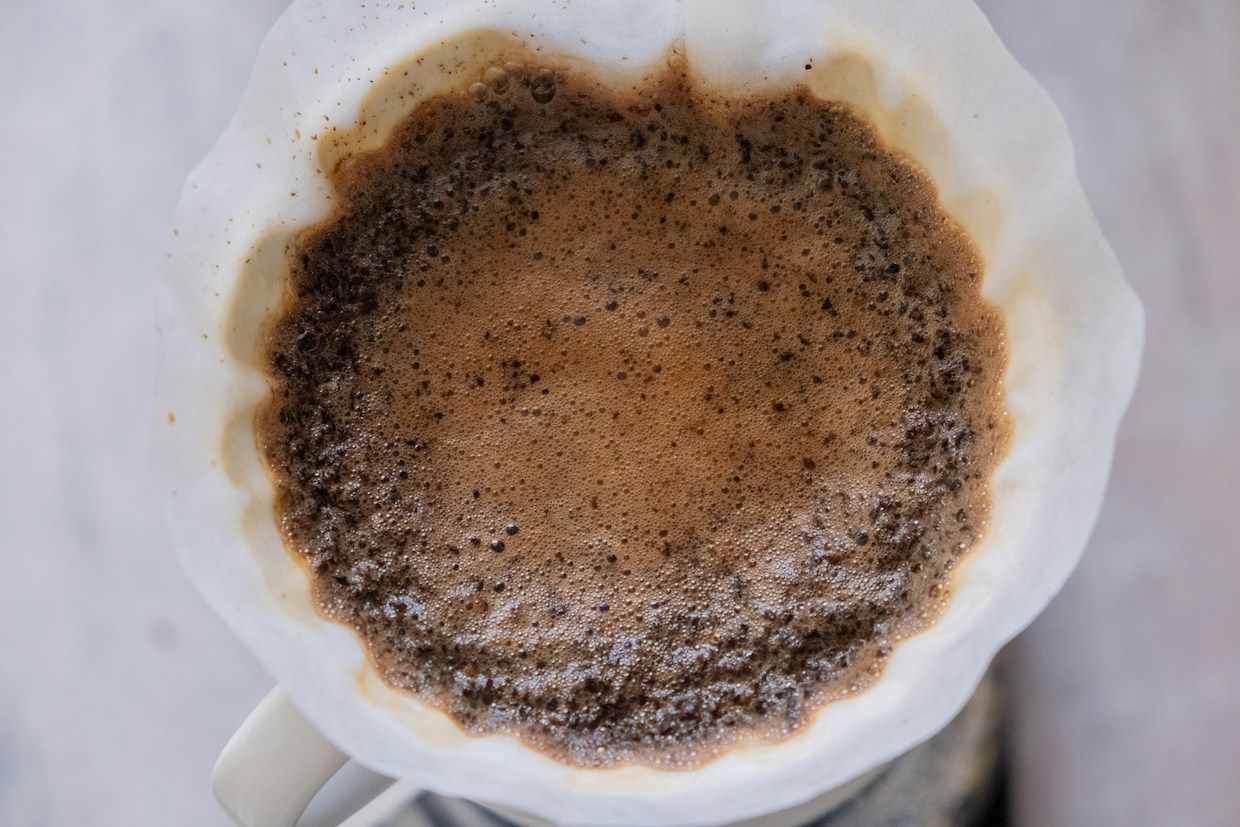
Spent coffee grounds are being explored as a potential source for biochar catalysts capable of treating hydrogen sulfide, a toxic gas prevalent in various industrial waste streams. A study published in the journal Biochar outlines how these grounds can be converted into a porous, nitrogen-rich biochar that effectively removes hydrogen sulfide, converting it into elemental sulfur.
Hydrogen sulfide poses significant health and industrial challenges, particularly in industries such as petroleum cracking, wastewater treatment, and iron production. It can corrode equipment, poison catalysts, and contribute to environmental issues like acid rain. Even trace amounts, recognizable by a "rotten egg" smell, can affect the olfactory and nervous systems, while high concentrations may cause respiratory arrest. Environmental limits typically range from 0.02 to 0.1 ppm.
The research, conducted by a team in China, suggests that transforming used coffee grounds into biochar could offer a more sustainable method for hydrogen sulfide treatment compared to traditional approaches, which may result in residual emissions and sulfur-laden waste. Laboratory tests showed that the optimized biochar catalyst achieved over 99% conversion of hydrogen sulfide with nearly 100% sulfur selectivity, even under conditions simulating industrial stressors such as humidity and high carbon dioxide levels.
This study adds to a growing body of research viewing spent coffee grounds as a valuable raw material rather than waste. Other studies have explored their use in creating biosorbents for heavy metal removal and carbon filters from plastic bottles. The International Coffee Organization has also emphasized circular economy strategies for coffee waste in its recent Coffee Development Report.
Globally, more than 6 million tons of spent coffee grounds are produced annually, with over half ending up in landfills or incinerated, contributing to methane and carbon dioxide emissions. Given that dried coffee grounds are approximately 70% carbon by weight, they represent a cost-effective and abundant feedstock for activated carbon materials.
The study credits Fei Zhao and Zibin Pan of Yunnan Minzu University as equal contributors, with Jiayu Feng and Lijuan Jia of Yunnan Minzu University and Ping Ning of Kunming University of Science and Technology as corresponding authors. Funding was provided by the Yunnan Fundamental Research Projects and the National Natural Science Foundation of China, with no conflicts of interest reported.
Source: Biochar Feed